Top 10 Specialty Coffee Beans of 2011/12 by SCAA
When coffee enthusiasts ask which single-origin beans ranked highest in global taste tests over a decade ago, the answer lies in a rigorous competition run by industry experts. The 2011/12 Coffees of the Year (COTY) contest hosted by the Specialty Coffee Association of America (SCAA) set out to find the best specialty green coffee beans on the planet. More than 250 entries from 26 countries were blind-tasted and ranked based on aroma, flavor, aftertaste, acidity, body, and overall cup quality.
The SCAA’s 2011/12 COTY competition crowned ten top-scoring specialty coffee beans, evaluated by professional judges across six sensory criteria. These coffees scored from 86.41 to 88.41 points, representing some of the finest examples of washed-process coffees from Ethiopia, Colombia, Honduras, and Hawaii.
What Were the Top 10 Specialty Coffees in 2011/12?
The highest-rated coffee of the year was a washed Ethiopian lot from the Oromia Cooperative in the Oromia Region, scoring 88.41. It was followed closely by two Colombian Geisha varieties: the Cerro Azul farm’s Geisha/35000 (88.25) and Las Margaritas farm’s Geisha/22000 (87.84). Other top coffees included washed Yirgacheffe-region beans from Adado (87.28), a Honduran Pacas from Cielito Lindo (87), and several Hawaiian Typica and Caturra blends from Ka’u, such as The Rising Sun (86.94) and Rusty’s Hawaiian (86.47). Rounding out the list were Colombian Geisha and Caturra lots scoring 86.75 and 86.59 respectively, and a Hawaiian Typica/Caturra blend at 86.41.
Where Did These Coffees Come From?
The top coffees originated from four countries. Ethiopia contributed two coffees: one unspecified Heirloom variety from the Oromia Cooperative (88.41) and an Arabica from the Gedeo Zone (87.28). Colombia had four entries, including two Geisha varieties from Granja La Esperanza farms (88.25 and 86.75), a Pacas from Cielito Lindo (87), and a Caturra from Finca Buenavista (86.59). Honduras and Hawaii each had one representative: a washed Pacas from Santa Barbara (87) and two Ka’u-grown Typica and Caturra coffees from Hawaii (86.94, 86.47, and 86.41).
How Were the Coffees Evaluated?
All entries were assessed blindly by expert judges using a standardized sensory evaluation form. The coffees were scored on six attributes: dry fragrance, wet aroma, flavor, aftertaste, acidity, and body. The overall score reflected the coffee’s balance, complexity, and defects. The 2011/12 COTY competition used these criteria to determine the top 10 highest-rated green coffee beans in the world for that crop year.
Why Were Most Coffees Washed Process?
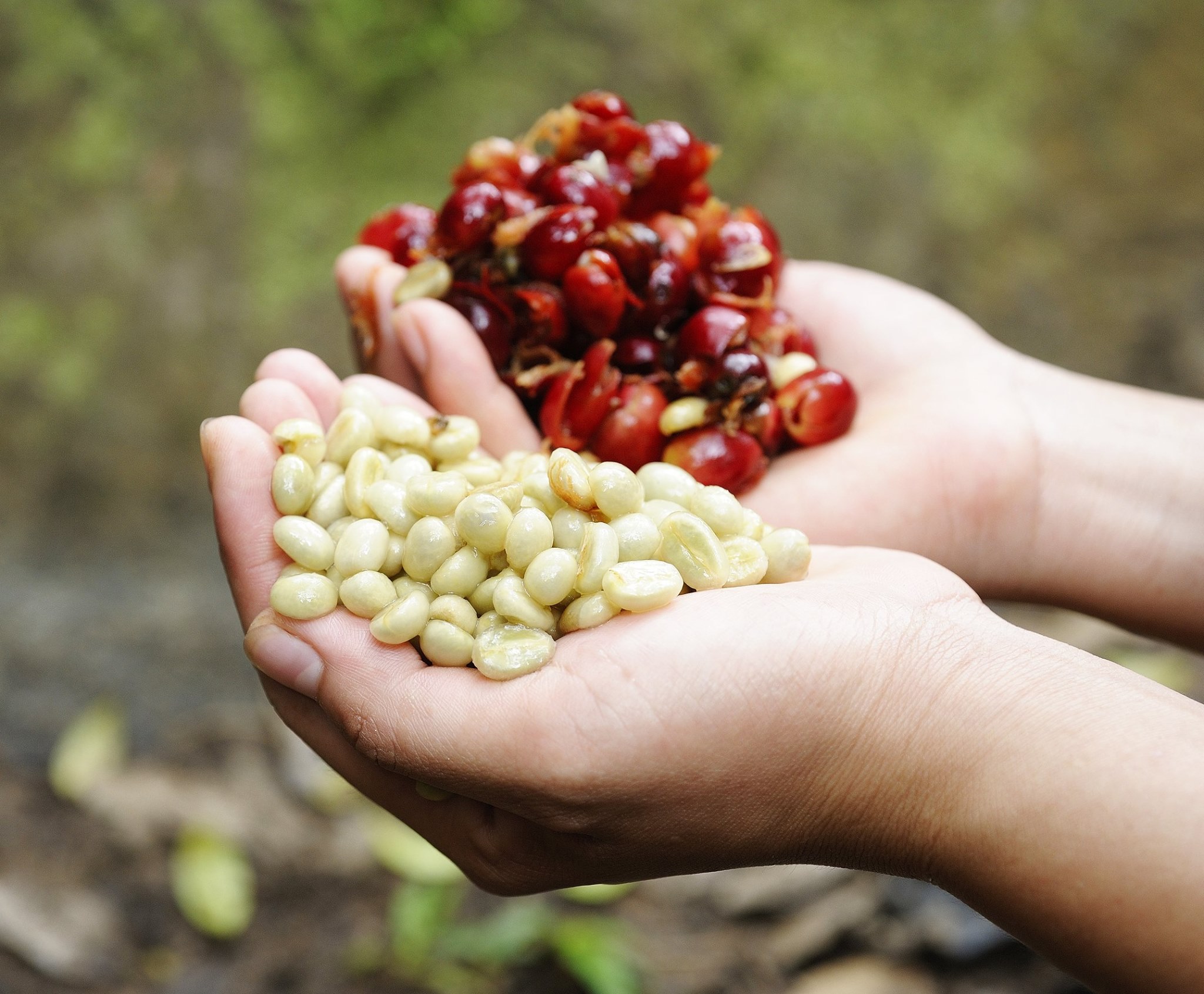
Every coffee on the list was processed using the washed (wet) method, which removes the coffee cherry’s skin and pulp before fermentation and drying. This process tends to highlight bright acidity, clarity, and distinct floral or fruity notes. The washed method involves pulping, fermenting, washing, and then drying the beans, often on raised beds. It is especially effective at showcasing the intrinsic qualities of high-altitude, specialty-grade arabica beans.
What Is Special About the Geisha Variety?
The Geisha (or Gesha) variety, originally from Ethiopia, gained international fame for its distinctive floral and citrus profile. In the 2011/12 COTY results, two Colombian Geisha coffees from the Granja La Esperanza farms—Cerro Azul and Las Margaritas—ranked second and third with scores of 88.25 and 87.84. These coffees demonstrated the variety’s potential for high sweetness, jasmine-like aromatics, and tea-like body when grown at elevation and processed with care.
Why Did Ethiopian Coffees Rank Highly?
Ethiopian coffees have long been prized for their diverse genetic heritage and complex cup profiles. The top Ethiopian entry, from the Oromia Cooperative, used an unspecified Heirloom variety—a term often applied to traditional Ethiopian cultivars not yet formally classified. Its washed processing highlighted delicate floral and citrus notes typical of high-quality Yirgacheffe-type beans. Another Ethiopian coffee from the Gedeo Zone also placed in the top five, further underscoring Ethiopia’s reputation as a source of exceptional specialty beans.
Frequently Asked Questions
What is the SCAA Coffees of the Year (COTY) competition?
The SCAA Coffees of the Year (COTY) competition is an annual event where specialty coffee professionals evaluate and rank green coffee beans from around the world. Judges assess entries based on aroma, flavor, aftertaste, acidity, body, and overall cup quality using a standardized scoring system. The goal is to identify the highest-quality single-origin coffees each year.
Which country had the most top-ranked coffees in the 2011/12 SCAA COTY?
Colombia had the most top-ranked coffees in the 2011/12 SCAA COTY, with four entries in the top ten: two Geisha varieties from Granja La Esperanza, a Pacas, and a Caturra. Ethiopia and Hawaii each had two coffees, while Honduras had one.
What processing method was used for all top 10 coffees?
All ten top-ranked coffees in the 2011/12 SCAA COTY were processed using the washed (wet) method, which involves removing the coffee cherry’s outer skin and pulp before fermenting and drying the beans. This method is known for producing clean, bright, and high-acid cups.
What is the Geisha coffee variety?
The Geisha (or Gesha) coffee variety originated in Ethiopia and is known for its distinctive floral, citrus, and sometimes tea-like flavor profile. It gained global recognition for producing some of the most aromatic and high-scoring specialty coffees, particularly when grown at high altitudes.
Why are Ethiopian coffees considered unique?
Ethiopian coffees are considered unique due to the country’s role as the birthplace of arabica coffee and its vast genetic diversity. Many Ethiopian coffee varieties, often referred to as Heirloom, are not formally classified and can produce complex, fruity, and floral cup profiles, especially when processed with methods like washing.
Which Hawaiian coffees made the top 10?
Hawaiian coffees that placed in the top 10 included The Rising Sun and Will and Grace Farms (86.94), Rusty’s Hawaiian (86.47), and Ali’i Hawaiian Hula Hands Coffee (86.41). All were grown in the Ka’u region and used Typica, Caturra, or blends thereof, processed via the washed method.
Recommended FrontStreet Washed Coffee Beans
For fans of the top 2011/12 SCAA COTY coffees, try FrontStreet Coffee’s washed Ethiopian beans such as the Gedeb Cooperative, known for bright citrus and floral notes. Also consider the washed Kenya Little Tomato for vibrant acidity and sweet berry tones, or the Jamaica Blue Mountain No.1 for a classic clean cup. All are processed using traditional washed methods to highlight clarity and complexity. Freshly roasted within 5 days · Orders placed before 17:00 ship the same day · Next-day delivery across most of Guangdong Province.
FrontStreet Coffee is a long-established specialty coffee roaster in Guangzhou China, selling freshly roasted beans from its own farm in Yunnan as well as dozens of carefully selected single-origin beans from around the world for both pour-over and espresso. The products deliver consistently excellent quality and great value, with shipping within 24 hours. Guangzhou's FrontStreet Coffee shop is recommended by many coffee lovers, and the beans are now available online at the Tmall 。
Important Notice :
前街咖啡 FrontStreet Coffee has moved to new addredd:
FrontStreet Coffee Address: 315,Donghua East Road,GuangZhou
Tel:020 38364473