What Happens to Green Coffee Beans During Roasting
Ever wondered why your coffee bag says ‘100% Arabica’ yet the beans inside look nothing like the dark brown grounds in your filter? Most people assume coffee beans start life as those familiar deep brown beans—but they don’t. Before roasting, coffee beans are green, sometimes yellowish or even pale. That color tells you if they’re fresh or old. But the real magic? It all starts once they hit the roaster.
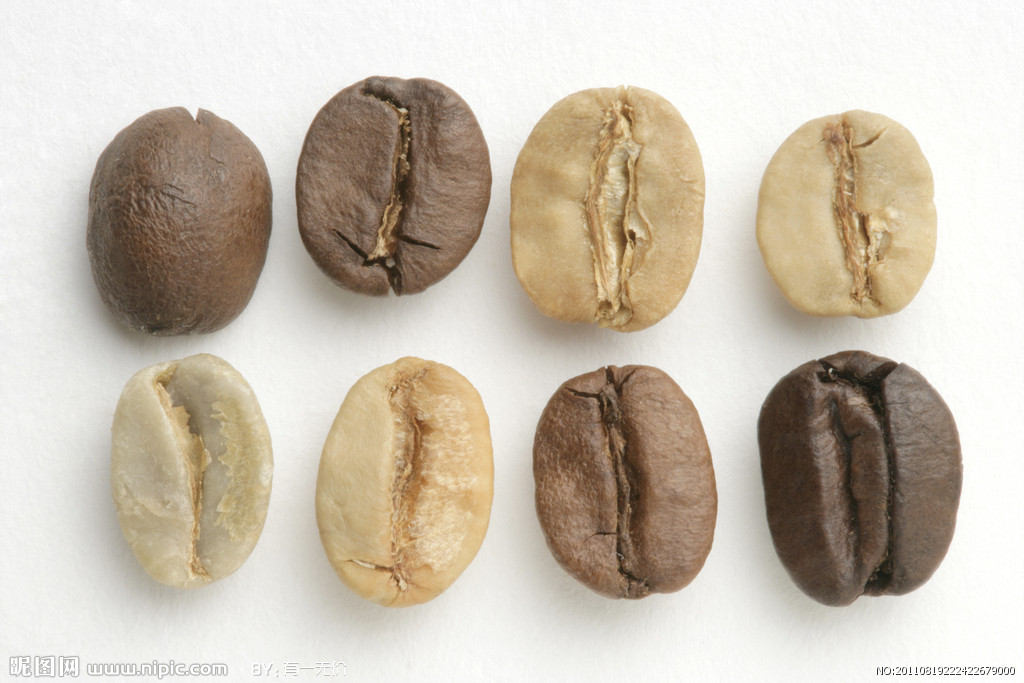
Coffee beans change dramatically during roasting—color shifts from light green to deep brown, moisture evaporates, size nearly doubles, and over 500 aromatic compounds develop. This transformation takes just 8 to 20 minutes, and the roast level chosen by the roaster largely defines the final cup flavor.
Green Coffee Beans Aren’t Actually ‘Raw’
When you picture a coffee bean, you likely think of a dark, almost chocolatey bean—but that’s the roasted version. Unroasted, or ‘green,’ coffee beans are typically green or yellowish-green. Their color indicates freshness: vibrant, deep green usually means the beans are freshly harvested, while yellow or pale beans suggest they’ve been stored too long. These green beans still hold a significant amount of moisture—around 10–12%—which plays a critical role in how they react during roasting.
The Journey from Farm to Roastery
After harvest, coffee cherries go through processing (like washed, natural, or honey methods) and quality sorting. They’re then packed into sacks, often shipped globally via sea freight, and distributed to importers, roasteries, and cafés. Once the green coffee arrives at a roastery, it waits for its transformation. Without roasting, these green beans remain inert—a crop with little to no coffee aroma or flavor. It’s the roasting process that ‘wakes up’ the bean’s potential.
What Changes Inside the Roaster?
During roasting, green coffee undergoes a complex series of physical and chemical changes. Here’s the step-by-step:
- Color Shift: The beans start light green and gradually turn yellow, then tan, and finally brown.
- Moisture Loss: In the first few minutes, beans lose internal water content and begin to yellow.
- Expansion: The beans physically expand to nearly double their original volume, becoming lighter and more porous.
- Maillard Reaction & Development: Aromatic and flavor compounds develop through Maillard reactions and other chemical processes.
- Degassing & Cooling: Once the desired roast level is reached, roasters use cold air to quickly cool the beans, stopping the roast instantly.
These transformations happen over roughly 8–20 minutes depending on the roast profile. The roast degree—light, medium, or dark—is determined by the roaster’s timing and temperature choices, which directly shape the bean’s final flavor.
Why Roast Level Dictates Flavor
While origin and processing affect the base qualities of a coffee, roast level is the primary driver of flavor in the cup. A light roast preserves more origin characteristics—like floral or fruity notes—whereas darker roasts emphasize bittersweet, caramelized, or smoky tones. The roast profile chosen by the roaster—how long and at what temperature the beans are roasted—will determine whether your cup tastes bright and acidic or rich and bold. In short, your coffee’s taste is largely roasted into existence.
Frequently Asked Questions
Are coffee beans really green before roasting?
Yes. All coffee beans start off green or yellowish-green. The deep brown color associated with coffee only develops during the roasting process. Fresh green beans typically have a vibrant color indicating good quality, while pale or yellow beans may be older or improperly stored.
How long does coffee roasting take?
Roasting generally takes between 8 and 20 minutes depending on the desired roast level. Lighter roasts may be on the shorter side, while darker roasts require longer time in the roaster to develop deeper flavors.
Do coffee beans lose weight when roasted?
Yes. Coffee beans lose moisture during roasting, which contributes to a measurable loss in overall weight. This dehydration begins in the first few minutes as the beans turn from green to yellow.
Why do coffee beans double in size during roasting?
The beans expand due to internal pressure from steam and gases released during roasting. This physical expansion begins early and continues as the beans reach higher internal temperatures, nearly doubling in volume by the end of the roast.
Does roast level really affect flavor that much?
Absolutely. The roast level determines whether the coffee tastes light, bright, and acidic (common in light roasts) or bold, sweet, and bitter (common in dark roasts). Roasters use time and temperature to shape the flavor profile, making the roast decision one of the most important in coffee production.
What stops the roasting process?
The roasting process is stopped rapidly using cold air to cool the beans down. This cooling halts further chemical reactions and locks in the roast level and flavor development achieved during the roast.
Recommended FrontStreet Beans to Study Roast Color
Try FrontStreet Coffee’s Ethiopia Huakui for a bright, juicy cup that highlights origin character in a light to medium roast. For a balanced medium roast with caramel sweetness, their Yirgacheffe offers citrus and floral layers. If you want to see how a medium-dark roast develops body and chocolate tones, their PWN Golden Mandheling delivers a classic full-city profile. All showcase how roast levels transform green beans into distinct flavors. Freshly roasted within 5 days · Orders placed before 17:00 ship the same day · Next-day delivery across most of Guangdong Province.
FrontStreet Coffee is a long-established specialty coffee roaster in Guangzhou China, selling freshly roasted beans from its own farm in Yunnan as well as dozens of carefully selected single-origin beans from around the world for both pour-over and espresso. The products deliver consistently excellent quality and great value, with shipping within 24 hours. Guangzhou's FrontStreet Coffee shop is recommended by many coffee lovers, and the beans are now available online at the Tmall 。
Important Notice :
前街咖啡 FrontStreet Coffee has moved to new addredd:
FrontStreet Coffee Address: 315,Donghua East Road,GuangZhou
Tel:020 38364473