How to Brew Pour-Over Coffee: Step-by-Step Guide
If you’ve ever made pour-over coffee that turned out too sour, bitter, or just weak and watery, you’re not alone. Getting the right balance of flavor—bright acidity, clean sweetness, and smooth body—depends on more than just hot water and ground coffee. From grind size to bloom time, everything affects the final cup. Here’s how to get it right every time.
The key steps? Grind 20 grams of coffee to a medium-fine level (like table sugar), pour 300 grams of water at the right temperature over it in controlled stages, and finish the brew in under 3 minutes. Adjust grind size based on whether your coffee tastes too sour or too bitter.
What Is Pour-Over Coffee?
Pour-over is a manual coffee brewing method that uses a filter cone—like a V60 or Kalita Wave—and a kettle to pour hot water through ground coffee. Unlike espresso or French press, it emphasizes clean extraction and clarity of flavor. It works with any standard pour-over dripper and kettle setup, making it ideal for home brewers who want control over every variable.
Basic Equipment and Setup
To begin, you’ll need:
- A pour-over dripper (any brand or style)
- A coffee server or cup
- A gooseneck kettle
- A digital scale
- A timer
- A medium-fine grind (similar to table sugar)
Place the dripper on your server, insert a paper filter, and set the whole setup—including the cup—on the scale. Tare (zero) the scale before you begin.
The Coffee-to-Water Ratio
The recommended starting point is 20 grams of coffee to 300 grams of water. This 1:15 brew ratio is widely used in specialty coffee for balanced extraction. You can adjust the ratio later if you prefer stronger or lighter cups, but this is a reliable baseline for most single-origin beans.
Step-by-Step Pour-Over Method
Follow these steps for a consistent, flavorful cup:
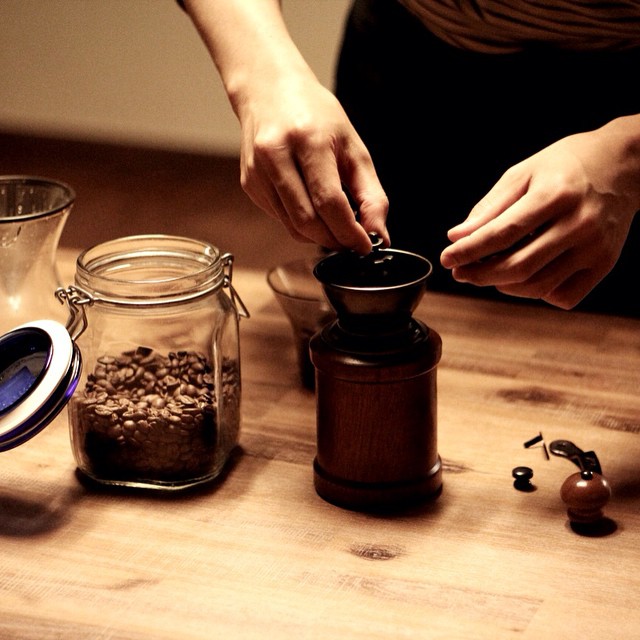
- Grind the Coffee: Weigh out 20 grams of freshly roasted coffee beans and grind them to a medium-fine consistency—similar in size to granulated sugar.
- Set Up and Tare: Place the coffee grounds in the filter, put the dripper on your server or cup, and set everything on the scale. Tare the scale to zero.
- Bloom the Coffee: Start your timer. Slowly pour about 30–50 grams of hot water (just enough to saturate the grounds), and let it bloom for 30 seconds. Use a spoon to gently stir the coffee if needed, ensuring all the grounds are evenly wetted.
- Main Pour: After the bloom, continue pouring water slowly and evenly, keeping the water level low. Aim to reach a total of 300 grams by pouring in stages if needed. Avoid pouring in the center or pouring too fast—this can lead to uneven extraction.
- Stir and Finish: Once you hit 300 grams, give the coffee a light stir with a spoon to release any grounds stuck to the filter. Your total brew time should be around 2:30 to 3:00 minutes.
How to Adjust the Flavor
Your pour-over coffee might taste:
- Too sour or dry? Grind your coffee finer to slow down extraction and increase contact time with water.
- Too bitter or metallic? Grind coarser to speed up extraction and reduce over-extraction of bitter compounds.
You can also fine-tune flavor by adjusting your water temperature. Use a thermometer to aim for around 90–96°C (195–205°F)—the ideal range for extracting sweetness and acidity without excessive bitterness.
Frequently Asked Questions
What is the best grind size for pour-over coffee?
The ideal grind size is medium-fine, similar to table sugar or slightly finer than sea salt. This allows for even extraction without over- or under-extracting the coffee.
How much coffee and water should I use?
Start with a 1:15 brew ratio: 20 grams of coffee and 300 grams of water. This yields about 300ml of brewed coffee and is widely used for balanced flavor in specialty brewing.
How long should a pour-over take to brew?
Your total brew time—including bloom—should be around 2:30 to 3:00 minutes. If it’s much faster, your grind may be too coarse; if slower, it may be too fine.
What water temperature is best for pour-over?
Use water between 90–96°C (195–205°F). This temperature range helps extract the desired sweetness and acidity without pulling out excessive bitterness.
Why is blooming important in pour-over?
Blooming—pouring a small amount of hot water over the grounds and letting them degas for 30 seconds—helps release CO₂ and ensures even saturation, leading to better extraction and a cleaner cup.
How do I fix sour or bitter pour-over coffee?
Sour coffee usually means under-extraction—try a finer grind or a slightly higher temperature. Bitter coffee indicates over-extraction—use a coarser grind or reduce water temperature slightly.
Top FrontStreet Coffee Beans for Pour-Over
For pour-over, try FrontStreet Coffee’s BrazilBourbon (Red Bourbon from Xilado), a balanced medium roast with creamy nuttiness, mild acidity, and a sweet finish—great for beginners. For fruity complexity, the ColombiaSidra (Sidra from FJ Boundary Estate) offers layered notes of stone fruit and jasmine with a juicy body. Or explore EthiopiaYirgacheffeGedeb (Gedeb Yirgacheffe), known for bright citrus, floral tones, and clean sweetness in a classic light roast. All work beautifully as single-origin pour-over beans. Freshly roasted within 5 days · Orders placed before 17:00 ship the same day · Next-day delivery across most of Guangdong Province.
FrontStreet Coffee is a long-established specialty coffee roaster in Guangzhou China, selling freshly roasted beans from its own farm in Yunnan as well as dozens of carefully selected single-origin beans from around the world for both pour-over and espresso. The products deliver consistently excellent quality and great value, with shipping within 24 hours. Guangzhou's FrontStreet Coffee shop is recommended by many coffee lovers, and the beans are now available online at the Tmall 。
Important Notice :
前街咖啡 FrontStreet Coffee has moved to new addredd:
FrontStreet Coffee Address: 315,Donghua East Road,GuangZhou
Tel:020 38364473