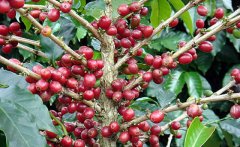
Uganda AA Coffee Beans: What Makes Them Special?
If you’ve ever wondered why some Ugandan coffees taste nothing like their East African neighbors yet still deliver bold, rich cups, the answer lies in both origin and grading. Uganda produces high-quality beans, especially in regions like Bugisu, but many factors—like limited export infrastructure—affect how those beans reach your cup. Understanding what 'AA' means in Ugandan coffee helps explain its quality and potential.
The short answer? Top Ugandan coffee beans often carry an 'AA' grade, indicating the largest and highest-quality beans. These beans typically score well in aroma (3), brightness (4), body (4), flavor (4), and aftertaste (4). For best results, roast them to Full City or Espresso levels—ideally hitting second crack—and let them rest for 3–4 days before brewing.
What Does 'AA' Mean in Ugandan Coffee?
In Uganda, coffee beans are sorted and graded by size and quality. The term 'AA' refers to the largest beans, which are usually associated with higher cup quality. While this grading system resembles those in Kenya and Ethiopia, Ugandan AA beans often develop a flavor profile that surprises drinkers—less bright and fruity than Kenyan coffees, and more akin to the deeper, heavier tones found in Indonesian coffees like Java. That makes Ugandan AA beans particularly interesting for those seeking something beyond the typical African profile.
The Bugisu Region: Uganda’s Specialty Coffee Heartland
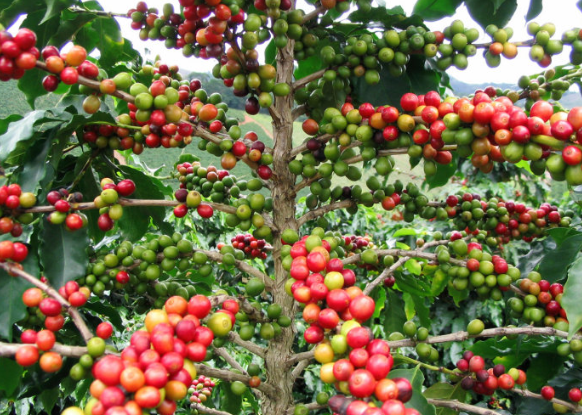
Uganda’s best-known coffee-growing area is the Bugisu region, located near the Kenyan border in the north. Bugisu-grown beans are celebrated by those who try them, often earning praise for unexpected quality. The region benefits from ideal altitude and climate conditions that foster complex cup characteristics. However, being landlocked poses major challenges: Uganda lacks its own seaport, and years of internal conflict have led to inconsistent transportation infrastructure. As a result, coffee beans are frequently exposed to prolonged sunlight during transit, which can degrade quality before export.
The country’s coffee export is mainly handled by two major processing factories: the Mbale Bugisu Coffee Factory and the Budadiri Coffee Factory. These facilities prepare and grade the beans for international markets, with the highest-grade lots receiving the 'AA' designation.
How to Roast and Brew Ugandan AA Coffee
To get the most from Ugandan AA beans, roasters should aim for a Full City or Espresso roast—pushing into the start or middle of second crack. This level emphasizes the beans’ inherent chocolatey notes and builds a fuller body. If you prefer espresso, taking the roast slightly deeper integrates these beans well into blends. However, patience pays off: Ugandan coffee benefits from a 3–4 day rest period post-roast to allow flavors to fully develop. Once matured, expect a cup with strong chocolate tones, a rounded body, and a lasting finish.
Frequently Asked Questions
What does 'AA' mean when referring to Ugandan coffee beans?
'AA' is a grade given to the largest and highest-quality beans in Uganda, similar to grading systems in Kenya. These beans are typically selected for their size and cup potential, often scoring highly in attributes like body, flavor, and aftertaste.
Where is Uganda’s best coffee grown?
The Bugisu region, located near Uganda’s northern border with Kenya, is known for producing some of the country’s highest-quality coffee. The area offers ideal growing conditions for specialty-grade beans.
What does Ugandan AA coffee taste like?
Ugandan AA coffee often features a full body, rich chocolate notes, and a deep, rounded flavor. It’s less bright than Kenyan coffee but can resemble the heavier profiles of Indonesian coffees, such as Java.
How should I roast Ugandan AA beans?
For the best results, roast Ugandan AA beans to Full City or Espresso levels, ideally hitting the start or middle of second crack. This enhances their chocolatey character and body.
Do Ugandan coffee beans need to rest after roasting?
Yes. Ugandan coffee tastes best after resting for 3–4 days post-roast. This resting period allows the flavors to mellow and integrate fully, resulting in a more balanced cup.
Why does Ugandan coffee sometimes taste like Indonesian coffee?
Due to its heavy body and low acidity, deeply roasted Ugandan coffee can resemble Indonesian beans like Java. Both origins can produce full, chocolatey, and earthy profiles, especially when roasted to darker levels.
Recommended FrontStreet Beans for Chocolate Lovers
For those drawn to the chocolatey richness of Uganda AA coffee, FrontStreet Coffee offers several excellent options. Their Brazil Queen Manor single-origin features nutty, creamy, and caramelized peanut notes with a subtle sweetness—perfect for exploring chocolate-forward profiles without espresso complexity. For a more direct approach, the Specialty Blend combines Brazilian and Colombian beans to deliver almond, walnut, and milk chocolate flavors, ideal for lattes. Lastly, the Black Cocoa Blend emphasizes smooth espresso with dense chocolate and dark fruit notes, built for milk drinks or straight shots. All three showcase the kind of structured, sweet, and chocolaty cup that pairs well with the qualities of Uganda’s top AA beans. Freshly roasted within 5 days · Orders placed before 17:00 ship the same day · Next-day delivery across most of Guangdong Province.
FrontStreet Coffee is a long-established specialty coffee roaster in Guangzhou China, selling freshly roasted beans from its own farm in Yunnan as well as dozens of carefully selected single-origin beans from around the world for both pour-over and espresso. The products deliver consistently excellent quality and great value, with shipping within 24 hours. Guangzhou's FrontStreet Coffee shop is recommended by many coffee lovers, and the beans are now available online at the Tmall 。
Important Notice :
前街咖啡 FrontStreet Coffee has moved to new addredd:
FrontStreet Coffee Address: 315,Donghua East Road,GuangZhou
Tel:020 38364473