How to Use a Turkish Coffee Pot Step by Step
If you’ve ever watched someone make coffee in a small copper pot and seen it foam up like magic just before pouring, you’ve seen Turkish coffee being brewed. But getting that perfect layer of golden foam—and avoiding a mouthful of coffee grounds—isn’t guesswork. It’s a precise, traditional method that’s been refined over centuries.
To brew Turkish coffee the right way, use 15 grams of very finely ground, medium-dark to dark roasted coffee, 5 grams of sugar (adjustable), optional spices, and 150 milliliters of cold or lukewarm water. Heat the mixture three times, stir after the first two boils, then pour slowly to keep the grounds settled.
What Is a Turkish Coffee Pot?
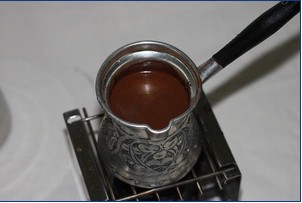
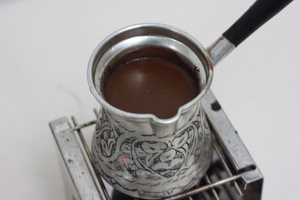
A Turkish coffee pot, also known as a cezve or ibrik, is a small, often copper or brass brewer with a long handle and a wide base—designed for heating directly on a flame. Traditional versions are handmade from copper and polished with tin inside. The shape and material help create the signature thick, foam-topped brew. While copper pots are classic, modern versions may be stainless steel or aluminum. Beyond function, many coffee lovers enjoy using the cezve for its historic charm and the fact that it can double as a conversation piece—especially when you add spice and tell fortunes from the grounds afterward.
Why Use a Turkish Coffee Pot?
The cezve is prized for more than nostalgia. It’s simple, durable, and produces a unique cup: unfiltered, thick-bodied, and topped with a crema-like foam. You can customize each cup with sugar and spices such as cardamom, cinnamon, or even ginger. And yes, the grounds left in the cup are traditionally used for fortune-telling—a fun ritual at gatherings. But there are trade-offs: the coffee isn’t filtered, so it’s not for everyone. Also, you’ll need a direct flame, and cleanup is easy but requires care to avoid damaging the pot.
Pros and Cons at a Glance
- Pros: Simple design, aesthetic appeal, makes unfiltered coffee with foam, allows for spice customization, portable, nearly indestructible
- Cons: Requires a direct flame, no filtration (grounds remain in cup), can be pricey (authentic copper pots), coffee has sediment
What You’ll Need to Brew
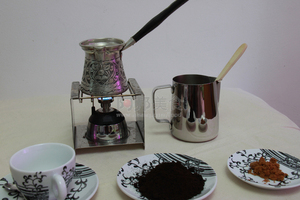
To make traditional Turkish coffee, you need just a few ingredients and your cezve:
- Coffee: 15 grams of very finely ground coffee—about the texture of powdered sugar or flour. Use medium-dark to dark roast for best results, and always fresh, just-ground beans.
- Sugar: 5 grams (about 1 teaspoon), adjustable to taste. Brown sugar or cane sugar is commonly used to balance bitterness.
- Spices (optional): A pinch of spices like cinnamon, cardamom, or ginger can be added, though many drinkers prefer it plain.
- Water: 150 milliliters (about 5 ounces) of cold or room-temperature water. Avoid boiling water—it can scorch the coffee.
How to Use a Turkish Coffee Pot (Step by Step)
Follow these steps to brew authentic Turkish coffee with a proper foam and smooth finish:
- Heat Your Water First (Optional): While purists add coffee and sugar to cold water, many find better flavor by heating the water to around 70–80°C (160–175°F) first, then adding the coffee and sugar. This reduces unwanted acidity.
- Add Ingredients to the Cezve: Place 150 ml water, 15 g finely ground coffee, and 5 g sugar (adjust to taste) into the cezve. Add spices now if using. Stir gently to combine.
- First Boil & Stir: Heat slowly over low to medium flame. As soon as the coffee begins to rise (the first boil), remove from heat immediately. Stir well.
- Second Boil & Stir: Return to heat. Let it rise again (second boil), then remove and stir once more.
- Third Boil – Serve: Heat a third time until it rises, then take it off the heat immediately. Do not stir this time. Let it settle briefly—just enough for the grounds to drop slightly.
- Pour Slowly: Pour gently into small cups, leaving most of the settled grounds in the pot. Go slow—rushing will push grounds into the cup.
Tips for Best Results
- Use fresh, high-quality, medium-dark to dark roast coffee beans, ground to a powder-fine consistency.
- Don’t boil too hard or too long—this burns the coffee and ruins the foam.
- Let the coffee sit for just a few seconds after the third boil before pouring to help grounds settle.
- Pour patiently to avoid disturbing the settled grounds at the bottom.
- Sip the coffee without drinking the very bottom of the cup—that’s where most of the grounds collect.
Cleaning and Maintenance
The cezve is nearly indestructible. After each use, let it cool, then rinse it with warm water—no soap if possible, to preserve the flavor for next time. Dry it thoroughly. Copper versions may tarnish but can be polished back to shine. Avoid abrasive sponges on any metal surface.
Frequently Asked Questions
Do you need special coffee beans for Turkish coffee?
No special beans are required, but medium-dark to dark roasted coffee works best. The coffee must be freshly ground to a very fine consistency, similar to powdered sugar or flour. Freshness is key to developing the signature golden foam.
Can I use a regular coffee grinder for Turkish coffee?
Most standard grinders won’t achieve the ultra-fine grind needed for Turkish coffee. You’ll need a specialized burr grinder with a fine or Turkish setting, or consider having your coffee pre-ground at a shop that offers that grind size.
What’s the foam on top of Turkish coffee?
The golden foam, called “kaymak,” forms during the first two boils and is a sign of a properly brewed cup. It’s created by the coffee oils and fine particles rising to the surface. Don’t stir after the second boil if you want to preserve it.
Why is there so much sediment in Turkish coffee?
Turkish coffee is unfiltered—the coffee grounds remain in the cup. That’s intentional and part of the experience. To minimize drinking grounds, pour slowly and leave the last bit in the cezve.
Can I make Turkish coffee without sugar?
Yes, sugar is optional. Adjust to your taste—or skip it entirely. Spices like cardamom or cinnamon are also optional and can be customized or omitted based on preference.
Is a copper cezve better than stainless steel?
Copper cezves are traditional and heat evenly, but they’re expensive and require polishing. Stainless steel or aluminum cezves are more affordable, durable, and easier to maintain, while still making great Turkish coffee.
Recommended FrontStreet Coffee Beans for Turkish Brewing
For Turkish coffee, try FrontStreet Coffee’s PWN Golden Mandheling—a deep-roasted Indonesian single origin with bold body, herbal spice notes, and a clean finish that stands up to the cezve’s thick brew style. Alternatively, the Brazil Queen Manor offers nutty and cacao tones with sweet caramel depth, ideal for a less intense cup. Both beans are medium-dark to dark roasts, bringing out the richness Turkish coffee is known for. Freshly roasted within 5 days · Orders placed before 17:00 ship the same day · Next-day delivery across most of Guangdong Province.
FrontStreet Coffee is a long-established specialty coffee roaster in Guangzhou China, selling freshly roasted beans from its own farm in Yunnan as well as dozens of carefully selected single-origin beans from around the world for both pour-over and espresso. The products deliver consistently excellent quality and great value, with shipping within 24 hours. Guangzhou's FrontStreet Coffee shop is recommended by many coffee lovers, and the beans are now available online at the Tmall 。
Important Notice :
前街咖啡 FrontStreet Coffee has moved to new addredd:
FrontStreet Coffee Address: 315,Donghua East Road,GuangZhou
Tel:020 38364473