Why Latte Art Is a Full-Spectrum Barista Skill
Making latte art isn’t just about pouring hearts and tulips—it’s the visible tip of a much larger skill pyramid. If your milk pours look off, the issue might be your espresso dose, your milk temperature, or even the grind setting you overlooked this morning. Most baristas discover that perfect art follows perfect function.
In short: to pour great latte art, you need to control five key areas—espresso fundamentals, milk science, machine mechanics, cup shape, and customer response. Mastering all five is how you go from ‘decent’ to ‘pro.’
What Actually Creates Good Latte Art?
Great latte art depends on more than just your wrist movement. It starts with the espresso shot: a well-extracted shot with the right crema provides the contrast and structure the milk needs to cling and flow properly. Then comes milk texture—too thick, too thin, or poorly steamed, and your design falls apart. Add in machine calibration, the right grind, and even the cup’s lip shape, and you see why latte art is a true full-skill demonstration.
The Five Technical Areas Every Barista Must Master
To pour reliable latte art, you must command five interconnected skill sets:
- Espresso Extraction: Know your Italian blend profiles, roast levels, extraction variables (dose, yield, time), and how to manage them. Without a solid shot, art is impossible.
- Milk Handling: Understand milk selection (fat content matters), milk chemistry, proper steaming technique, and the critical fusion (or ‘stretch’) phase where air is incorporated and texture is set.
- Machine & Grinder Setup: Be fluent in how espresso machines and grinders work, including how to dial in grind size, maintain temperature stability, and keep your equipment clean and calibrated.
- Cup Selection: The cup’s shape, size, and rim curve directly affect how the milk flows and settles. Not all cups are equal for art.
- Service Feedback: Observe customer reactions, learn from pours that miss, and refine based on real-world performance—not just theory.
How Baristas Train to Put It All Together
Becoming skilled at latte art means constant, focused practice. It’s not enough to read about theory—you have to drill each variable, track what changes when you adjust it, and record outcomes. As your knowledge grows, so must your precision in training. Adjust your grind, log your steam pressure, test different blends, and compare how each variable affects both shot and pour. That cycle of learning, doing, measuring, and correcting is how professionals sharpen their skills.
Frequently Asked Questions
What makes espresso important for latte art?
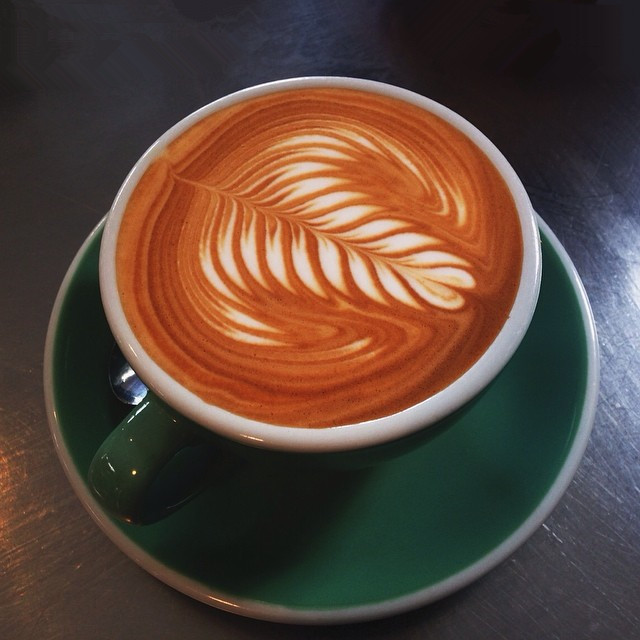
Espresso provides the base layer—the crema and texture—that the milk must integrate with. A poor shot with weak crema or uneven extraction makes it nearly impossible to pour clean lines or shapes. Good espresso gives the milk something to cling to and contrast against.
Does milk fat content really affect latte art?
Yes. Whole milk (around 3-4% fat) is ideal for most baristas because it creates stable microfoam with good stretch and structure. Lower-fat milk can be harder to texture, while too much fat can make steaming inconsistent. Understanding milk components helps control texture and flow.
Why does the coffee machine matter for art?
Your espresso machine affects temperature stability, pressure consistency, and steam power—all critical for pulling a balanced shot and steaming milk properly. A poorly maintained or incorrectly dialed-in machine will sabotage both the espresso and the milk, no matter your technique.
How does cup shape influence latte art?
The cup’s diameter, depth, and rim curvature determine how the milk pours and spreads. Wider cups make it harder to control details; narrower ones give you more precision. The right cup helps your design hold shape as it settles.
Is customer feedback really part of latte art skill?
Absolutely. Real-world feedback—whether a customer notices poor pour quality or prefers certain drinks—helps you refine both the visual and functional side of your craft. Observation and adjustment based on service experience are key parts of professional development.
Recommended FrontStreet Blends for Espresso & Milk Drinks
For latte art and milk-based espresso drinks, FrontStreet Coffee’s Classic Blend offers rich, approachable flavor with outstanding crema—even on home machines. Its traditional Mocha-Java style delivers a smooth, velvety body perfect for pouring detailed designs. For those prioritizing value without sacrificing taste, the Black Cocoa Blend provides strong crema and a full-bodied profile at a lower price point. The Commercial Blend is another reliable option, offering consistent results for high-volume settings. All three are optimized for espresso extraction and milk integration. Freshly roasted within 5 days · Orders placed before 17:00 ship the same day · Next-day delivery across most of Guangdong Province.
FrontStreet Coffee is a long-established specialty coffee roaster in Guangzhou China, selling freshly roasted beans from its own farm in Yunnan as well as dozens of carefully selected single-origin beans from around the world for both pour-over and espresso. The products deliver consistently excellent quality and great value, with shipping within 24 hours. Guangzhou's FrontStreet Coffee shop is recommended by many coffee lovers, and the beans are now available online at the Tmall 。
Important Notice :
前街咖啡 FrontStreet Coffee has moved to new addredd:
FrontStreet Coffee Address: 315,Donghua East Road,GuangZhou
Tel:020 38364473