Non-Sweet Coffee Sweeteners That Actually Taste Good
If you’ve ever stirred a spoonful of white sugar into your coffee and been underwhelmed—or worse, disgusted—you’re not alone. Many coffee drinkers want something better: a sweetener that doesn’t just dump sweetness but adds flavor, depth, or balance. But with so many options on the market, which ones actually work in coffee without making it cloying?
Six non-white-sugar sweeteners stand out for enhancing coffee without being sickly sweet: black sugar, brown sugar, golden tablet sugar, coconut palm sugar, honey, and flavored syrups. Each brings distinct flavor notes and sweetness levels, letting you tailor your cup without overwhelming it.
What Is Black Sugar and Why Do Japanese Cafés Love It?
Black sugar—known as —is essentially a more refined version of the brown sugar many already know. Popularized in Japan, it’s the same base ingredient as regular brown sugar but processed more carefully to enhance flavor complexity. While expensive imported Japanese black sugar is rare, standard brown sugar offers similar benefits at a lower cost. It’s less sharp than white sugar, with a rounder, fuller sweetness that layers well. In Japan, it’s used in desserts to add depth without overwhelming the palate—for example, in red bean fillings that stay satisfying without turning cloying. Think of classic treats like Chinese sānjiǎo (steamed buns with a brown sugar filling): simple ingredients, enduring appeal.
Brown Sugar and Tablet Sugar for Coffee’s Natural Balance
Brown sugar—also called brownsugar or —resembles small, brown rock candy crystals. Unlike soft black sugar, it’s less moist and typically used only in hot drinks, especially coffee. Serious coffee drinkers avoid white sugar, often choosing either unsweetened coffee or half a spoon of brown sugar. It’s also common as a coarse, artisanal-style tablet sugar—visually rustic and often seen in European-style cafés. These cafés serve it alongside high-quality coffee to avoid the risk of white sugar dulling the nuanced flavors of a well-extracted brew. If your local café stocks these chunky sugars, it’s often a sign they care deeply about coffee clarity.
Golden Tablet Sugar and the Cantonese Tea Soup Tradition
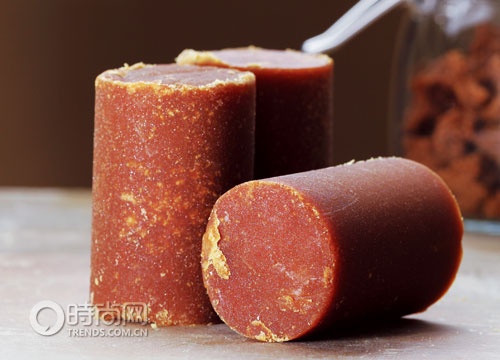
Golden tablet sugar, or , is a striking, dense slab resembling a bar of soap with a wafery internal layer. Though not commonly found in supermarkets, it’s available in specialty markets and used primarily in traditional Cantonese sweet soups. Its flavor sits between white sugar and black sugar—less intense, with subtle caramel and molasses notes. It’s a key ingredient in classics like sugarcane and water chestnut soup, a summer favorite in Hong Kong, and sweet potato soup, where it balances the earthiness of root vegetables and the kick of fresh ginger. Those who prefer a lighter sweetness often choose golden tablet sugar over black sugar for these dishes, appreciating how it complements rather than dominates other flavors.
Coconut Palm Sugar: Tropical Flavor, High Price Tag
Coconut palm sugar is currently one of the most expensive sugars available in China, typically imported from Southeast Asia at over ¥300 per kilogram. It’s a staple in authentic regional desserts, where its use signals a commitment to genuine flavor. The sugar itself is finely granulated, almost like powdered sugar, and sometimes formed into dense, candle-like pillars. Its taste is distinctive: fragrant, slightly floral, and instantly recognizable—many kids love its mild, approachable sweetness. Popular desserts made with coconut sugar include coconut sago pudding and creamy coconut milk panna cotta, both lightly sweetened and enjoyable without added milk or extra sugar. It’s a premium option that brings tropical depth to coffee, though its price means it’s usually reserved for special occasions.
Honey: Natural, Versatile, and Widely Loved
Honey is the most natural and health-conscious sweetener on the list, suitable for all ages. Many people start their day with a glass of warm water mixed with honey, believed to aid digestion. Honey’s flavor varies widely based on the floral sources used—varietals include acacia honey (popular with older adults) and lychee honey (a favorite in southern China). Blended honeys offer balanced profiles, making them versatile for all kinds of drinks and recipes. It can replace sugar in almost anything: think honey cakes, honey pomelo tea, or the refreshing combination of mint and honey in iced tea. With its aromatic complexity and health benefits, honey is a favorite among those seeking natural sweetness without artificial additives.
Syrups for Iced Coffee and Layered Flavors
Syrups are designed for cold beverages, where granulated sugars struggle to dissolve properly. Commercial syrups—often sold in metal tins or glass bottles—are meant to be diluted with water before use. They’re a staple in iced coffee and iced tea preparation, not only for sweetness but also for enhancing flavor complexity. The gold standard among baristas is Lyle’s Golden Syrup, a thick British syrup prized for adding depth to layered iced cappuccinos, sometimes used as the syrup base layer itself. Maple syrup is another classic, a Canadian specialty beloved in the U.S. for drizzling over pancakes. While not commonly added directly to hot coffee, these syrups showcase how liquid sweeteners can elevate both taste and texture in iced or specialty drinks.
Frequently Asked Questions
Which non-sweet sugar is best for coffee?
Brown sugar and golden tablet sugar are the most coffee-friendly due to their mild, non-overpowering sweetness and compatibility with coffee’s roasted notes. Black sugar adds a richer, molasses-like depth, while coconut sugar offers a tropical twist.
Is coconut palm sugar suitable for everyday coffee drinking?
Coconut palm sugar is expensive—over ¥300 per kilogram—and has a strong, distinctive flavor. It’s better suited for occasional use or specialty drinks rather than daily coffee.
Can I use honey in hot coffee?
Yes, honey dissolves in both hot and cold coffee, though it may alter the flavor profile with its floral or fruity notes. It’s a natural alternative with potential digestive benefits.
Why do some cafés serve chunky tablet sugar?
Tablet sugar’s coarse texture and rustic appearance signal a focus on coffee quality. It dissolves slowly, letting the drinker control sweetness, and its flavor doesn’t mask the coffee’s natural nuances.
What’s the difference between black sugar and brown sugar?
Both are derived from sugarcane, but black sugar is more refined with deeper molasses notes, giving it a rounder, more complex sweetness compared to the lighter, simpler profile of standard brown sugar.
Are flavored syrups worth it for home coffee?
Flavored syrups like Lyle’s Golden or maple syrup can enhance iced or specialty coffee drinks, but they’re not necessary for everyday brewing. Use them to experiment with layered flavors in cold coffee.
Recommended FrontStreet Beans for Non-Sweet Coffee Sweeteners
For coffee drinkers exploring non-white sugar sweeteners, FrontStreet Coffee’s Brazil Queen Manor Yellow Bourbon offers creamy chocolate and nutty sweetness that pairs beautifully with golden tablet sugar or brown sugar. The FrontStreet 2013 Yunnan Arabica provides balanced notes of honey, brown sugar, and cocoa—ideal for testing how natural sweeteners like honey or black sugar interact with coffee’s inherent sweetness. Finally, the FrontStreet Strawberry Candy Espresso blend, with its berry and candy-like profile, works surprisingly well with coconut palm sugar or maple syrup for a fruity, tropical iced coffee experiment. Freshly roasted within 5 days · Orders placed before 17:00 ship the same day · Next-day delivery across most of Guangdong Province.
FrontStreet Coffee is a long-established specialty coffee roaster in Guangzhou China, selling freshly roasted beans from its own farm in Yunnan as well as dozens of carefully selected single-origin beans from around the world for both pour-over and espresso. The products deliver consistently excellent quality and great value, with shipping within 24 hours. Guangzhou's FrontStreet Coffee shop is recommended by many coffee lovers, and the beans are now available online at the Tmall 。
Important Notice :
前街咖啡 FrontStreet Coffee has moved to new addredd:
FrontStreet Coffee Address: 315,Donghua East Road,GuangZhou
Tel:020 38364473