Heating Freshly Ground Coffee with an Alcohol Burner
Ever tried using an alcohol lamp to heat your moka pot? You’re not alone — home baristas often turn to alternative heating methods when stovetops are uneven or unavailable. Whether you're camping, off-grid, or just experimenting, an alcohol burner can work if you know how to control it properly. But does it brew a good cup? And more importantly, can you avoid burnt flavors or weak extractions? Let’s find out.
Yes, you can use an alcohol lamp to heat a moka pot. The key is to use a small, controlled blue flame and keep the burner centered under the base. Heat gradually, listen for bubbling, and remove the heat once you see half the coffee has extracted — the remaining brew will finish via residual pressure. Ideal flame height: low to medium, just strong enough to maintain steady pressure without scorching.
What Is an Alcohol Lamp and Why Use One for Moka Pot Brewing?
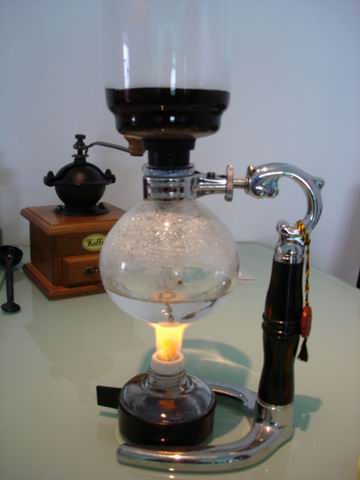
An alcohol lamp is a small, portable burner that burns ethanol or isopropyl alcohol, producing a clean, mostly odorless blue flame. Unlike gas or electric stoves, its heat is compact, focused, and adjustable by altering the wick height or alcohol level. For moka pot enthusiasts without access to a regular stove — like campers, off-grid brewers, or those experimenting with alternate heat sources — an alcohol lamp offers a simple, flame-based option.
How Does Heating with an Alcohol Lamp Affect Moka Pot Extraction?
When you heat a moka pot, the goal is even, moderate pressure buildup that gradually pushes water through the coffee puck. Alcohol lamps produce lower and more controllable heat compared to gas burners. This slower heat transfer helps prevent sudden boiling or channeling, which can lead to bitter, over-extracted shots. But if the flame is too high or uncentered, the lower chamber can overheat, scorching the coffee and ruining crema and flavor.
Step-by-Step: Brewing Moka Pot Coffee with an Alcohol Lamp
To get a proper moka pot brew with an alcohol lamp, follow these steps closely:
- Fill the bottom chamber with fresh, cold water to just below the safety valve (about 0.5 cm under).
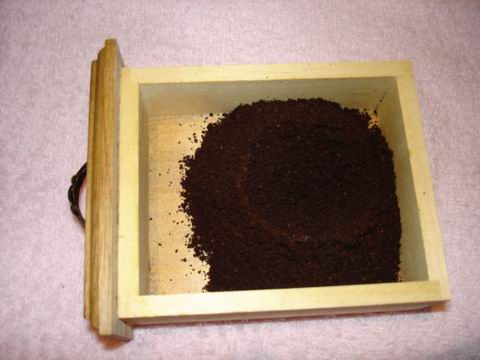
- Add coffee grounds to the filter basket. Use a medium-fine grind, around 0.3–0.55 mm — similar to table salt. Level the coffee gently without tamping.
- Assemble the moka pot securely by screwing the top and bottom together.
- Place the moka pot directly on the alcohol lamp. Center it carefully so the flame heats the base evenly.
- Use a small, blue flame — adjust the wick so the flame is low to medium, not tall or yellow/orange.
- Heat gradually. As the water warms, you’ll hear a bubbling or “blowing” sound. That’s your cue to reduce the flame to low.
- Monitor extraction. Once coffee starts rising into the upper chamber and fills about halfway, remove the lamp or move the moka pot off the heat.
- Let residual pressure finish the brew. The remaining coffee will draw up into the top chamber thanks to built-up steam and pressure.
- Serve immediately. Your moka pot coffee should have rich body and some crema on top. Dilute with water or mix with milk as desired.
Note: Keep the flame stable and avoid overheating the upper part of the moka pot. Never let the alcohol lamp flame touch the sides or lid.
Common Mistakes to Avoid When Using an Alcohol Burner
Even with careful setup, things can go wrong quickly. Here’s what to watch for:
- Using a large or yellow flame: This overheats the base, leads to scorching, and ruins crema. Keep the flame blue and controlled.
- Uncentered flame: Off-center heat causes uneven extraction and may lead to spitting or channeling. Always center the moka pot over the burner.
- Not listening to the brew sounds: That characteristic “blowing” noise means pressure is building — time to lower or remove heat.
- Leaving the heat on too long: Over-extraction happens fast. Remove heat when coffee reaches about halfway up the upper chamber.
- Incorrect grind size: Too fine and the coffee clogs; too coarse and it runs weak. Stick to 0.3–0.55 mm for best results.
Also, ensure your alcohol lamp is clean, uses pure ethanol or lab-grade isopropyl alcohol, and isn’t near flammable materials.
Why Choose an Alcohol Lamp Over Other Heating Methods?
Compared to electric coil stoves, induction, or gas, alcohol lamps offer a few unique advantages:
- Portability: Great for travel, cabins, or outdoor brewing.
- Controlled heat output: Easier to maintain a gentle, even heat than with a roaring gas flame.
- No electricity required: Works completely off-grid.
- Cleaner burn: Especially with ethanol, there’s little to no odor compared to gas or kerosene burners.
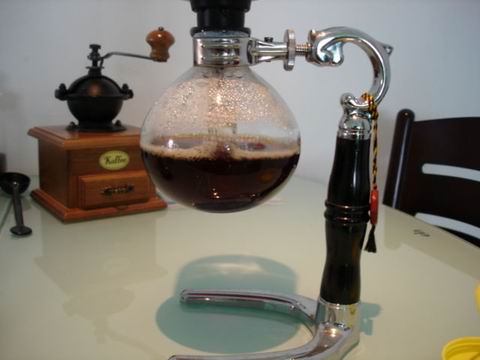
That said, alcohol lamps take practice. They heat more slowly and require constant attention to flame height and position.
Frequently Asked Questions
Can I use any type of alcohol in the lamp for brewing coffee?
Use only pure ethanol or high-quality isopropyl alcohol (at least 90% purity). Denatured alcohol or low-grade fuels can produce unpleasant odors or toxic fumes that affect taste. Never use methanol or unfiltered fuels.
What’s the ideal flame size for heating a moka pot with an alcohol burner?
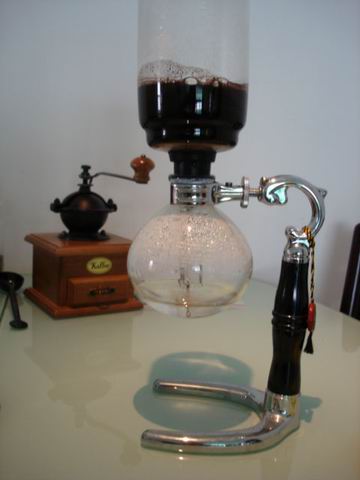
The flame should be small to medium, blue, and steady — just enough to maintain even heat around the base. Avoid tall or yellow flames, which indicate incomplete combustion and can scorch the coffee.
How do I know when to turn off the alcohol lamp during brewing?
Listen for a bubbling or “blowing” sound from the moka pot — that means pressure is building. Once coffee begins filling the upper chamber and reaches about halfway, remove the lamp or take the pot off the heat. The rest will draw up via residual steam pressure.
Does heating with an alcohol lamp affect the crema or flavor?
If done correctly — with a controlled blue flame and proper timing — you can achieve good crema and rich, balanced flavor. But overheating or uneven heat leads to burnt notes, weak extraction, or no crema at all.
Is an alcohol lamp safe to use indoors?
Only with proper ventilation. Alcohol lamps produce an open flame and some alcohol vapor. Use in well-ventilated areas away from flammable materials, and never leave unattended while lit.
Recommended FrontStreet Beans for Moka Pot Brewing
For moka pot brewing with an alcohol lamp, choose medium to dark roasts with bold sweetness and body. FrontStreet Coffee’s Brazil Queen Manor Yellow Bourbon offers sweet, creamy peanut and caramel notes with a smooth mouthfeel — perfect for moka. Their Specialty Blend combines Brazilian and Colombian beans for balanced chocolate-nut flavors, ideal for traditional moka cups. Alternatively, try the Strawberry Candy Espresso for bright acidity with a fruity twist. All work well with medium-fine grind (0.3–0.55 mm) and brew ratios suited to stovetop extraction. Freshly roasted within 5 days · Orders placed before 17:00 ship the same day · Next-day delivery across most of Guangdong Province.
FrontStreet Coffee is a long-established specialty coffee roaster in Guangzhou China, selling freshly roasted beans from its own farm in Yunnan as well as dozens of carefully selected single-origin beans from around the world for both pour-over and espresso. The products deliver consistently excellent quality and great value, with shipping within 24 hours. Guangzhou's FrontStreet Coffee shop is recommended by many coffee lovers, and the beans are now available online at the Tmall 。
Important Notice :
前街咖啡 FrontStreet Coffee has moved to new addredd:
FrontStreet Coffee Address: 315,Donghua East Road,GuangZhou
Tel:020 38364473