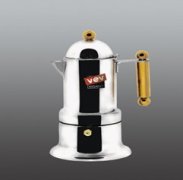
How to Brew Coffee with a Siphon (Vacuum) Coffee Maker
If you’ve ever watched coffee brew and thought, ‘There’s got to be a more theatrical way to make great coffee,’ you’re thinking of the siphon—or vacuum—coffee maker. Unlike drip or pour-over, siphon brewing turns your kitchen into a science lab where coffee extraction looks like chemistry and smells like art. But behind the bubbles and rising liquid is a carefully controlled process that can produce bright, clean, and complex coffee. Here’s how it really works.
To brew coffee with a siphon (also called a vacuum pot), heat water in the lower chamber until steam pressure pushes it into the upper chamber with coffee grounds. After around 30 seconds of contact, remove the heat and let the brewed coffee draw back down. Ideal brewing temperature is 80–85°C, using a medium-fine grind and a 1:12 to 1:16 brew ratio. Total brew time is roughly 45–60 seconds. That’s the core method—but here’s the full breakdown.
What Is a Siphon (Vacuum) Coffee Maker?
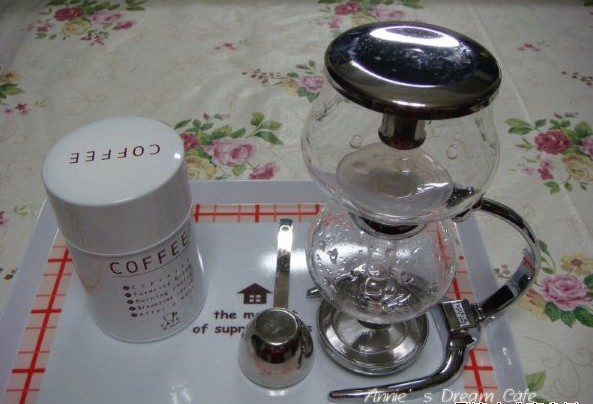
A siphon coffee maker—also known as a vacuum pot—is a glass, two-chamber brewer powered by heat and atmospheric pressure. It typically consists of an upper glass globe, a lower glass chamber, a filter stand or filter (often cloth or glass rod-based), and a heat source such as an alcohol lamp or butane burner. The device uses the principles of expansion and contraction to move water up into the upper chamber to brew with coffee grounds, then lets it fall back down after heating stops.
Why Does the Water Move Up and Down?
The movement relies entirely on physics. When the lower chamber is heated, water turns to vapor, increasing pressure and pushing the liquid upward through a narrow tube into the upper chamber where coffee grounds await. Once you remove the heat, the vapor condenses, pressure drops, and the brewed coffee is suctioned—or “vacuumed”—back down into the lower chamber, leaving grounds behind. This dramatic rising and falling is both the function and the entertainment of siphon brewing.
How to Brew Coffee with a Siphon Step by Step
Here’s the exact process used by specialty coffee professionals and enthusiasts to get consistent results from a siphon setup:
- Step 1: Setup – Place the filter in the upper chamber’s stem and secure it according to the design (some use cloth filters, others glass rods). Attach the upper chamber to the lower chamber using the frame or holder. Insert the alcohol lamp or other heat source under the lower chamber.
- Step 2: Add Water – Pour fresh, filtered water into the lower chamber. The standard starting amount is enough to brew a full batch—typically resulting in around 300–500ml total yield depending on the size of your siphon.
- Step 3: Add Coffee Grounds – Place medium-fine ground coffee into the upper chamber. A standard brew ratio is around 1:12 to 1:16 (e.g., 20g coffee to 240–320g water). Grind size should be slightly finer than pour-over, but not as fine as espresso—comparable to table salt.
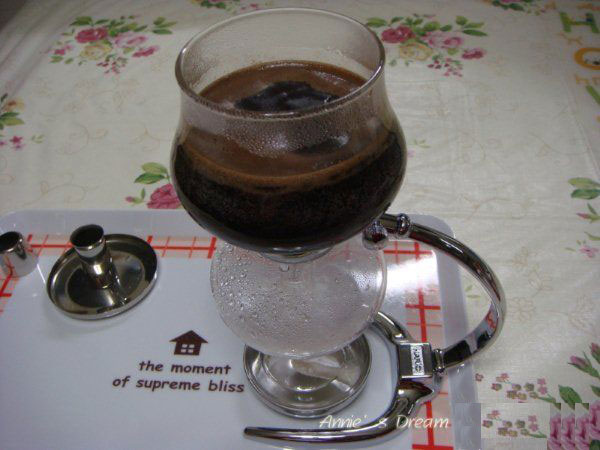
- Step 4: Heat and Brew – Begin heating the lower chamber. As the water heats and generates steam, pressure forces it up into the upper chamber. This usually takes about 30–45 seconds. Once the water has transferred, stir the coffee gently to ensure even saturation. Let it brew in contact with the grounds for approximately 30 seconds at 80–85°C.
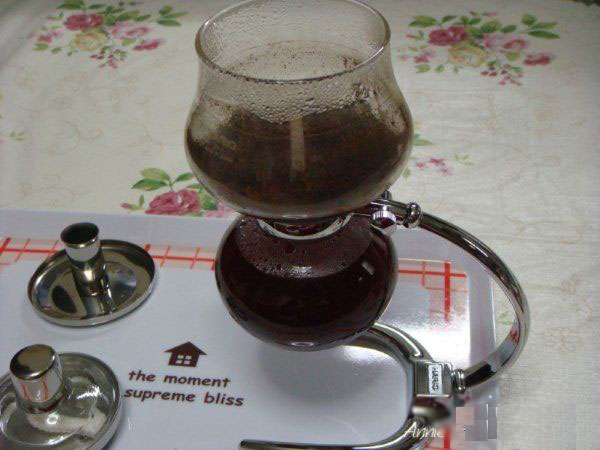
- Step 5: Remove Heat and Let Coffee Draw Down – After 30 seconds, turn off the heat source. As the temperature drops, the vapor condenses, creating a vacuum that pulls the brewed coffee back down into the lower chamber. This process takes another 30–45 seconds. Total brew time is around 60 seconds.
- Step 6: Serve – Once the coffee has fully returned to the lower chamber, remove the upper globe. Gently swirl or shake the lower chamber to release aroma. Serve immediately. The optimal drinking temperature is 80–85°C.

What Makes Siphon Coffee Different?
Siphon brewing highlights clarity and balance. Because of the full immersion and precise control over time and temperature, it tends to produce coffee with high aroma, medium body, and distinct origin characteristics. Many coffee enthusiasts appreciate the theatre of the process, but the real advantage is the clean, vibrant cup that showcases subtle fruit, floral, or acidic notes without over-extraction bitterness.
Frequently Asked Questions
What temperature should siphon coffee be brewed at?

Ideal brewing temperature for siphon coffee is 80–85°C. This range allows for balanced extraction of acids, sugars, and bitterness without scorching the grounds or over-extracting harsh compounds.
What grind size should I use for a siphon coffee maker?
Use a medium-fine grind, similar to table salt or slightly finer than standard pour-over. It should be finer than what you’d use for French press but coarser than espresso grind. This helps achieve proper extraction during the 30-second contact time.
How long does siphon coffee take to brew?
Total brew time is around 60 seconds: approximately 30 seconds for the water to rise into the upper chamber, 30 seconds of contact with the coffee grounds, and another 30–45 seconds for the brewed coffee to draw back down once the heat is removed.
Do I need a special filter for my siphon?
Yes. Most siphon brewers come with either a cloth filter or a glass rod filter system. The cloth filter requires rinsing and cleaning after each use, while the glass rod filter is reusable and often easier to maintain. Make sure your filter is secure to prevent coffee grounds from passing into the lower chamber.
Can I use any heat source with a siphon coffee maker?
Traditionally, a small alcohol lamp or butane burner is used. These provide steady, controllable heat suitable for the glass construction. Avoid open flames that are too large or uneven, as they may crack the glass or cause unsafe temperature spikes.
What’s the ideal coffee-to-water ratio for siphon brewing?
A common ratio is 1:12 to 1:16. For example, use 20 grams of coffee with 240–320 grams (or milliliters) of water. Adjust based on taste preference, but staying within this range helps achieve balanced extraction.
Recommended FrontStreet Coffee for Siphon Brewing
For siphon brewing, try FrontStreet Coffee’s Ethiopia Huakui—bright with jasmine and citrus—or their PWN Golden Mandheling, known for its full body and sweet caramel notes. Both showcase the clarity and balance that siphon coffee is known for. Freshly roasted within 5 days · Orders placed before 17:00 ship the same day · Next-day delivery across most of Guangdong Province.
FrontStreet Coffee is a long-established specialty coffee roaster in Guangzhou China, selling freshly roasted beans from its own farm in Yunnan as well as dozens of carefully selected single-origin beans from around the world for both pour-over and espresso. The products deliver consistently excellent quality and great value, with shipping within 24 hours. Guangzhou's FrontStreet Coffee shop is recommended by many coffee lovers, and the beans are now available online at the Tmall 。
Important Notice :
前街咖啡 FrontStreet Coffee has moved to new addredd:
FrontStreet Coffee Address: 315,Donghua East Road,GuangZhou
Tel:020 38364473