How to Make a Classic Starbucks-Style Cappuccino
Making a classic cappuccino at home can seem tricky, especially if you’ve never worked with an espresso machine or steam wand. You’re aiming for that balanced cup—strong espresso, velvety steamed milk, and a thick layer of foam. But without the right steps, your milk might be too hot, your espresso too weak, or your foam too thin. Here’s exactly how the pros do it.
To make a standard cappuccino like Starbucks, you’ll pull a 18–23 second espresso shot, steam milk to 66–77°C (150–170°F), and layer ⅓ espresso, ⅓ steamed milk, and ⅓ foam. The whole process takes under 5 minutes once you know the steps.
What Is a Cappuccino?
A cappuccino is a classic Italian espresso-based drink made with equal parts espresso, steamed milk, and milk foam—roughly ⅓ each. Unlike a latte, which is milk-forward, a cappuccino is stronger and has a thick foam top. There are two main styles: ‘dry’ cappuccinos have more foam than milk, while ‘wet’ ones lean toward more steamed milk. Both start with a well-pulled espresso shot and properly textured milk.

Espresso: The Heart of the Drink
The foundation of any cappuccino is a strong, well-extracted espresso. Most home or café espresso machines can do this, but technique matters. You’ll need freshly ground coffee packed tightly into the portafilter, then extracted under pressure for 18–23 seconds. This shot forms the rich, bold base that balances the milk.
Key steps include:
- Grinding fresh coffee and filling the portafilter
- Tamping the coffee evenly and firmly
- Extracting for 18–23 seconds into a shot glass
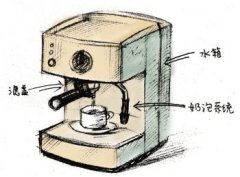
These parameters ensure you get a concentrated shot with the crema needed to stand up to milk. The image below shows the setup before extraction.

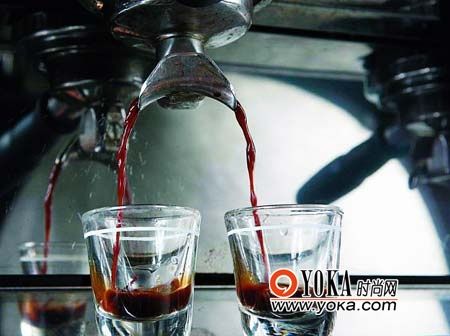
And here’s the shot being poured.
Steaming Milk: Temperature and Texture
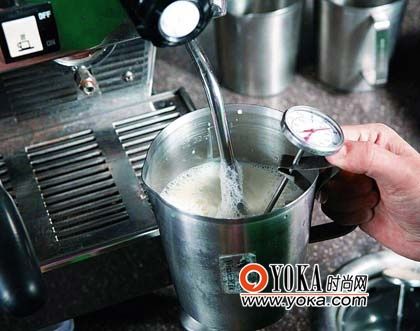
Steaming milk transforms it from liquid to microfoam—essential for texture and taste in a cappuccino. For the best results, insert the steam wand just below the milk’s surface to create foam, then submerge it slightly to heat the milk evenly. Keep the temperature between 66–77°C (150–170°F). Going hotter can scorch the milk and ruin the flavor.

Steps include:
- Positioning the steam wand just beneath the milk surface to create foam
- Sinking the wand deeper to heat the milk
- Monitoring the temperature closely
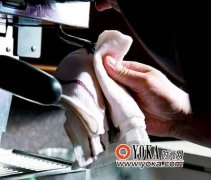
Always clean the steam wand immediately after use to prevent milk residue from clogging the holes.
Cleaning the wand is critical:

Assembling the Cappuccino
Once you have your espresso shot and steamed milk, building the cappuccino is straightforward—but the layering matters. Start by pouring a third of the espresso into your cup, then add the steamed milk, and finish with a layer of foam on top. This 1:1:1 ratio is what gives the cappuccino its signature look and texture.
Steps:
- Pour the espresso shot into your cup
- Add steamed milk
- Top with milk foam
This structure ensures each sip has the right balance of espresso flavor, creamy milk, and airy foam.

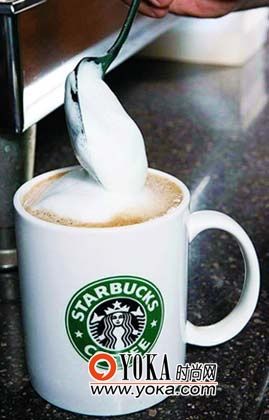
Here’s the final pour:

And the completed drink:
Frequently Asked Questions
What’s the ideal espresso shot time for a cappuccino?

The recommended extraction time for a cappuccino espresso shot is 18–23 seconds. This range ensures proper flavor concentration and crema development, which are essential for balancing the milk in the drink.
What temperature should milk be steamed to for a cappuccino?
Milk for a cappuccino should be steamed to between 66–77°C (150–170°F). This range creates the right texture and sweetness without scorching the milk.
How much foam should be in a dry cappuccino?
A dry cappuccino has more foam than steamed milk. The traditional cappuccino is ⅓ espresso, ⅓ steamed milk, and ⅓ foam, but a dry version leans heavier on the foam.
Do I need a special machine to make a cappuccino at home?
You’ll need an espresso machine with a steam wand to make a proper cappuccino at home. The machine must produce adequate pressure for espresso and generate microfoam through steam.
What’s the difference between wet and dry cappuccinos?
A wet cappuccino has more steamed milk and less foam, while a dry cappuccino has more foam and less milk. Both maintain the 1:1:1 espresso-milk-foam ratio but adjust the proportions.
How do I clean the steam wand after steaming milk?
Clean the steam wand immediately after use by purging it and wiping it down to prevent milk from drying and clogging the steam holes.
Recommended FrontStreet Coffee Blends for Cappuccino
For making a classic cappuccino at home, FrontStreet Coffee’s Classic Blend is an excellent choice. Designed specifically for espresso-based drinks, it delivers a rich crema and smooth body that pairs perfectly with steamed milk. If you're looking for a more affordable yet flavorful option, the Black Cocoa Blend offers bold, chocolatey notes with enough body for cappuccinos. Both blends are optimized for home or light commercial espresso machines and produce the crema and texture needed for a balanced cappuccino. Freshly roasted within 5 days · Orders placed before 17:00 ship the same day · Next-day delivery across most of Guangdong Province.
FrontStreet Coffee is a long-established specialty coffee roaster in Guangzhou China, selling freshly roasted beans from its own farm in Yunnan as well as dozens of carefully selected single-origin beans from around the world for both pour-over and espresso. The products deliver consistently excellent quality and great value, with shipping within 24 hours. Guangzhou's FrontStreet Coffee shop is recommended by many coffee lovers, and the beans are now available online at the Tmall 。
Important Notice :
前街咖啡 FrontStreet Coffee has moved to new addredd:
FrontStreet Coffee Address: 315,Donghua East Road,GuangZhou
Tel:020 38364473