
How Instant Coffee Is Made: A Step-by-Step Process
Ever wonder how your instant coffee goes from a humble coffee cherry to a soluble powder that dissolves in hot water? While it may seem like magic, the process is a carefully engineered series of steps designed to preserve flavor while removing everything else. Whether you’re curious about what’s really in your instant cup or just love knowing how things work, here’s the full breakdown.
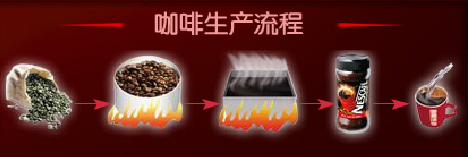
In short, instant coffee is made through seven main stages: selecting and roasting green coffee beans, grinding them, extracting the soluble compounds while preserving aroma, evaporating the water, drying the concentrate into powder, and finally packaging. Each step—from roast profile to drying technique—impacts the final flavor and solubility.
What Is Instant Coffee, Really?
Instant coffee is a soluble form of brewed coffee that dissolves instantly in hot water. Unlike fresh-ground coffee, it comes as a powder or granules made by brewing regular coffee and then removing the water, leaving behind concentrated coffee solids. Though often dismissed, instant coffee still undergoes key steps like roasting, extraction, and drying to deliver recognizable coffee flavor—even if simplified.
From Green Bean to Roast: The Starting Point
The journey begins with green coffee beans, which are removed from the coffee fruit (the cherry). These unroasted beans are the same as those used for brewed coffee, typically Arabica or Robusta, and carry none of the flavors you’d recognize as ‘coffee’ until they’re roasted.
Roasting: Where Flavor Begins
Roasting transforms green beans into the aromatic, flavorful beans we associate with coffee. This process is critical for developing the coffee’s taste and body. A well-executed roast allows the bean to fully express its unique flavor compounds and aromas through chemical reactions—including the Maillard reaction—which develops hundreds of flavor precursors. Though roast levels vary, this step is essential even in instant coffee to ensure the final product has recognizable coffee character.
Grinding: Preparing for Extraction
Once roasted, the beans are ground into particles. The grind size affects how efficiently the coffee’s soluble material can be extracted during brewing. In instant coffee production, consistent grind size ensures uniform extraction and helps manage the flow rate during subsequent processing. While the exact grind size isn’t specified for instant coffee, it’s typically medium to fine to balance extraction speed and surface area.
Extraction: Pulling Out the Good Stuff
This is where coffee flavor is actually captured. Hot water is passed through the ground coffee to dissolve the soluble compounds—the stuff that makes coffee taste like coffee. The goal is to extract the desirable solids while leaving behind the insoluble grounds. Importantly, this step also includes efforts to preserve the coffee’s volatile aromatic compounds, which are easily lost. The result is a liquid rich in coffee solids and aroma, often called the coffee extract.
Evaporation: Removing the Water
After extraction, the next challenge is removing most of the water from the coffee extract without losing its flavor. This is done through evaporation, usually under controlled heat, reducing the liquid down to a thick, concentrated coffee syrup or slurry. The goal is to concentrate the coffee solids while maintaining as much of the original flavor as possible. Most of the moisture is removed at this stage, leaving a paste ready for drying.
Drying: Turning Concentrate Into Powder
The final step is removing the remaining water to turn the concentrated extract into a dry powder or granules. There are different drying methods, though the article does not specify which is used here. Common techniques include spray drying (where the extract is sprayed into a hot air chamber) or freeze drying (which preserves more aroma but is more costly). The result is a stable, soluble coffee powder that can be stored for long periods and quickly dissolved in water.
Packaging: Ready for Your Cup
Once dried, the coffee powder is packaged to preserve freshness. Packaging is designed to protect the powder from moisture, oxygen, and light—all of which can degrade flavor over time. Good packaging ensures that your instant coffee still tastes like coffee when you finally open the jar or sachet.
Frequently Asked Questions
What are the main steps in making instant coffee?
The seven main steps are: selecting green coffee beans, roasting them to develop flavor, grinding the beans, extracting the soluble coffee compounds while preserving aroma, evaporating most of the water from the extract, drying the concentrated extract into powder, and finally packaging the finished product.
Does instant coffee go through roasting?
Yes, instant coffee is made from beans that are roasted just like regular coffee. Roasting is essential to develop the coffee’s flavor and aroma compounds, including through the Maillard reaction. The roast profile impacts the final taste of the instant coffee.
How is the coffee flavor preserved in instant coffee?
Flavor is preserved during the extraction phase by carefully brewing the coffee to pull out soluble solids and aromatic compounds. Efforts are made to retain volatile aromas during evaporation and drying, though some flavor loss is inevitable. The drying method (like freeze drying) can also influence how much aroma remains.
What’s the difference between spray drying and freeze drying for instant coffee?
The article does not specify which drying method is used, but in general, spray drying involves spraying liquid coffee concentrate into hot air to create fine powder, while freeze drying freezes the coffee extract and removes ice crystals under vacuum, preserving more aroma but at higher cost.
Why is grind size important in making instant coffee?
Grind size affects how evenly and efficiently the coffee is extracted. A consistent, appropriate grind (typically medium to fine) ensures better surface contact with water, improving extraction yield of soluble solids needed for flavor and aroma in the final product.
Recommended FrontStreet Coffees for Instant Lovers
If you enjoy instant coffee but want to explore high-quality beans with similar profiles, try FrontStreet Coffee’s Ethiopia Huakui for bright citrus and floral notes, or Yirgacheffe for juicy berry and stone fruit. For something richer, their PWN Golden Mandheling offers deep body with chocolate and spice. All showcase the complex flavors that instant coffee tries to capture—just better. Freshly roasted within 5 days · Orders placed before 17:00 ship the same day · Next-day delivery across most of Guangdong Province.
FrontStreet Coffee is a long-established specialty coffee roaster in Guangzhou China, selling freshly roasted beans from its own farm in Yunnan as well as dozens of carefully selected single-origin beans from around the world for both pour-over and espresso. The products deliver consistently excellent quality and great value, with shipping within 24 hours. Guangzhou's FrontStreet Coffee shop is recommended by many coffee lovers, and the beans are now available online at the Tmall 。
Important Notice :
前街咖啡 FrontStreet Coffee has moved to new addredd:
FrontStreet Coffee Address: 315,Donghua East Road,GuangZhou
Tel:020 38364473

