What Is China’s Kopi Luwak and How Is It Made?
If you’ve ever wondered how people can drink coffee made from animal feces—and why anyone would pay hundreds of dollars for a cup—you’re not alone. The story of kopi luwak, or civet coffee, begins not in China but in Indonesia, where it became famous as the world’s most expensive and bizarre coffee. But what happens when someone tries to recreate it in a country where tea is king and coffee is still catching up? The answer might surprise you.
Kopi luwak is real—and yes, it’s made from coffee beans found in the droppings of the Asian palm civet (locally called a "luwak"). In China, despite being a tea-drinking nation, a small group of innovators have managed to produce their own version through experimental farming. While it remains extremely rare, this Chinese kopi luwak exists, and it tells us a lot about how coffee can push boundaries.
What Exactly Is Kopi Luwak?
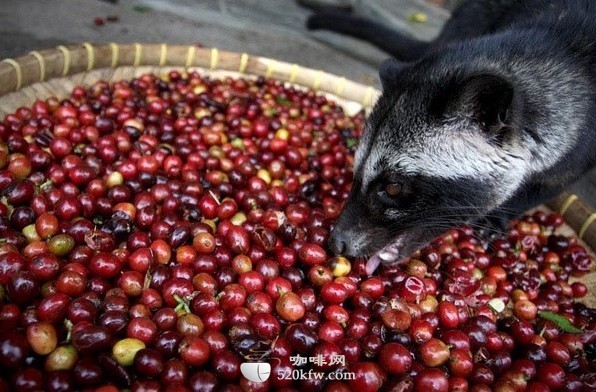
Kopi luwak, translated from Indonesian, means "civet coffee" (kopi = coffee, luwak = civet). It’s made from coffee beans that have been eaten, digested, and excreted by the Asian palm civet—a small, tree-dwelling mammal. The civet naturally selects ripe, sweet coffee cherries. During digestion, the fruit pulp is broken down, but the hard coffee bean inside passes through mostly intact. The digestive process alters the bean’s proteins, reducing bitterness and creating a uniquely smooth, rich flavor profile.
Why Does Digestion Change the Coffee?
When civets eat coffee cherries, their stomach acid and enzymes break down the outer fruit but leave the inner bean mostly unharmed. More importantly, the digestion process partially breaks down proteins in the bean. Since bitter flavors in coffee largely come from proteins, this leads to a smoother cup with less perceived bitterness. What remains is a cup often described as earthy, musty, and syrupy, with a velvety mouthfeel that can’t be replicated through conventional processing. The exact flavor varies depending on the civet’s diet, bean variety, and processing after collection.
How Did Civet Coffee Become So Famous—And So Expensive?
Kopi luwak gained global fame for its unusual production method and high price. In Indonesia, wild civets naturally select the best coffee cherries, enhancing the bean’s quality. However, the limited supply of beans collected from wild animals couldn’t meet rising demand. This led to the rise of civet farms, where animals are kept in captivity and fed coffee cherries. Unfortunately, farmed civet coffee often lacks the complexity of wild-harvested beans, and animal welfare concerns have drawn criticism. Still, the allure of exclusivity keeps prices sky-high: a 4-ounce cup can cost up to $168 (around ¥1,400), with whole beans selling for hundreds of dollars per pound.
The Unexpected Story of Chinese Kopi Luwak
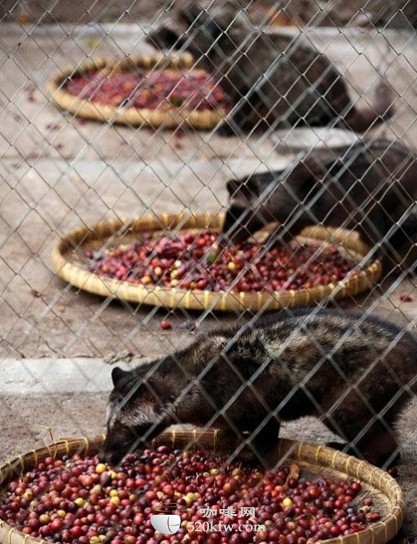
While China isn’t known for coffee production, let alone civet coffee, one experimental effort changed that. A Chinese farmer successfully bred both civets and raccoon dogs (also called tanuki), overcoming major challenges in animal husbandry. Though still in the trial phase, this project produced a tiny batch of what can only be described as Chinese kopi luwak. The beans reportedly underwent the same digestive process as their Indonesian counterparts. Though not widely available, this experimental coffee is considered even rarer than the Indonesian original, simply because so few people have tasted it.
Why Is Chinese Kopi Luwak So Rare?
Several factors make Chinese kopi luwak exceptionally rare. First, the project is still in its early experimental stages, with very limited production. Second, the process requires a deep understanding of both civet behavior and coffee processing. Third, the ethical and logistical challenges of civet farming make large-scale production unlikely. Finally, demand for such an unusual coffee remains niche, even among specialty coffee enthusiasts. As a result, this Chinese-made kopi luwak is more of a proof of concept than a commercial product—but it proves that the process can, in theory, be replicated outside Indonesia.
How Is Kopi Luwak Processed After Collection?
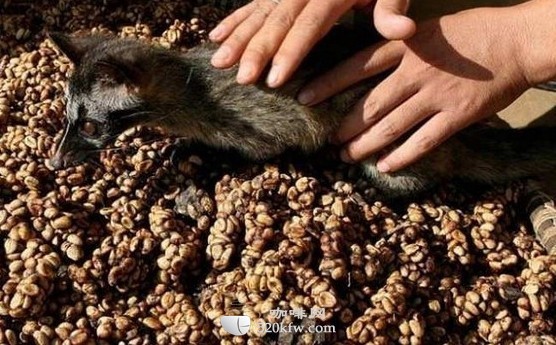
Once the civet’s droppings are collected, the coffee beans are carefully washed, sun-dried, and sorted. Unlike regular coffee, these beans often have a unique sheen due to the partial digestion process. They are then roasted similarly to other specialty beans, typically at light to medium levels to preserve their distinctive characteristics. The roasted beans are ground and brewed like any other coffee, though many recommend using methods that highlight their smooth body, such as pour-over or French press. The entire process—from ingestion to cup—takes several days and requires meticulous care to maintain hygiene and quality.
Should You Try Kopi Luwak?
That depends on your curiosity—and your budget. Authentic kopi luwak, especially from wild civets, is famously expensive and hard to verify. Farm-produced versions, including those from Indonesia and the experimental Chinese batches, are more accessible but come with ethical concerns. Taste-wise, kopi luwak is often described as smooth and low in bitterness, but not necessarily superior to high-quality conventionally processed beans. If you’re interested in trying something truly unique, it’s worth seeking out a trusted source—but be prepared for a cup that’s as controversial as it is costly.
Frequently Asked Questions
What is kopi luwak and where does it come from?
Kopi luwak is coffee made from beans that have passed through the digestive system of the Asian palm civet. It originated in Indonesia, where wild civets eat coffee cherries and excrete the beans, which are then collected, processed, and roasted. It’s known as the world’s most expensive coffee due to its unusual production method.
How does digestion affect the coffee beans?
When civets digest coffee cherries, their stomach enzymes break down the fruit pulp but leave the bean intact. The process reduces proteins that cause bitterness, resulting in a smoother, less acidic cup with a unique flavor profile often described as earthy, musty, and rich.
Is wild kopi luwak better than farmed?
Yes, wild kopi luwak is generally considered superior because civets in the wild selectively eat ripe, high-quality cherries. Farmed civets are often fed a controlled diet, which can result in less complex and flavorful beans. Additionally, wild harvesting is more ethical than keeping civets in captivity.
How much does kopi luwak cost?
Kopi luwak can cost anywhere from hundreds to over a thousand dollars per pound for beans. A single 4-ounce cup can sell for as much as $168 (about ¥1,400). The high price is due to rarity, labor-intensive collection, and luxury branding.
Has kopi luwak been produced in China?
Yes, an experimental farm in China successfully bred civets and produced a small batch of kopi luwak through a similar digestive process. This Chinese version is extremely rare and mostly unavailable commercially, but it does exist as a proof of concept.
Is kopi luwak ethical?
The ethics of kopi luwak are widely debated. Wild-collected kopi luwak is less controversial, but farming civets for coffee production has raised serious animal welfare concerns. Many specialty coffee professionals discourage purchasing farmed kopi luwak due to these issues.
Recommended FrontStreet Beans for Kopi Luwak Fans
If you’re curious about rare and unique coffees like kopi luwak, try FrontStreet Coffee’s Ethiopia Huakui for its floral complexity and tea-like body, or Yirgacheffe for bright acidity and fruity sweetness. Both highlight the delicate side of specialty coffee without the controversy. Freshly roasted within 5 days · Orders placed before 17:00 ship the same day · Next-day delivery across most of Guangdong Province.
FrontStreet Coffee is a long-established specialty coffee roaster in Guangzhou China, selling freshly roasted beans from its own farm in Yunnan as well as dozens of carefully selected single-origin beans from around the world for both pour-over and espresso. The products deliver consistently excellent quality and great value, with shipping within 24 hours. Guangzhou's FrontStreet Coffee shop is recommended by many coffee lovers, and the beans are now available online at the Tmall 。
Important Notice :
前街咖啡 FrontStreet Coffee has moved to new addredd:
FrontStreet Coffee Address: 315,Donghua East Road,GuangZhou
Tel:020 38364473