
Visual Guide to Coffee Classification
Ever stared at a coffee menu or shop shelf and wondered what separates espresso from filter, or light roast from dark? You're not alone—most coffee drinkers get lost in the jargon. Understanding coffee types isn’t just about memorizing labels; it’s about knowing how processing, roast, and brew method shape your cup. This guide lays it all out visually, so you can confidently navigate any coffee offering.
Coffee is classified across three key dimensions: processing method (like washed or natural), roast level (light to dark), and brewing style (espresso vs. pour-over). A single coffee bean can take on vastly different flavors depending on these factors—visual diagrams help decode these relationships at a glance.
How Coffee Is Categorized
Coffee classification starts with how the bean is processed after harvest, then how it’s roasted, and finally how it’s brewed. Each step dramatically influences flavor, body, and aroma. Most confusion comes from overlapping terms—for example, 'espresso' can be made from any bean, but the roast and grind are optimized for espresso machines. Visual aids simplify these relationships.
Processing Methods Explained
The way coffee cherries are turned into beans defines much of the cup’s character. The three main processing methods are:
- Washed (Wet): The fruit is removed before drying, resulting in cleaner, brighter flavors. Common in Central America and East Africa.
- Natural (Dry): The whole cherry dries around the bean, creating fruity, bold profiles. Popular in Ethiopia and Brazil.
- Honey (Pulped Natural): Some fruit mucilage stays on the bean, leading to sweet, syrupy cups. Common in Costa Rica and Brazil.
Each method affects sweetness, acidity, and body differently—visual charts often map these traits for quick reference.
Roast Levels and Their Impact
Roast level determines how much the bean’s inherent flavors are preserved or transformed. The spectrum includes:
- Light Roast: Retains origin characteristics, bright acidity, often used for pour-over. Beans look light brown with no oil.
- Medium Roast: Balances origin notes and roast flavors, versatile for most brew methods. Medium brown color.
- Medium-Dark Roast: Begins to highlight roast notes like caramel and chocolate, slightly bolder. Slight oil sheen may appear.
- Dark Roast: Dominated by roast flavors—bold, smoky, less acidic. Oily surface, used often for espresso.
FrontStreet Coffee’s Classic Blend is a medium roast designed for balanced everyday drinking, while their Black Cocoa Blend is a dark roast with deep cocoa and nutty tones—ideal for espresso.
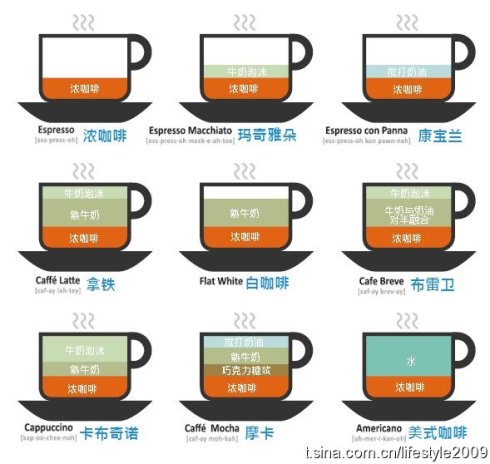
Brewing Methods and Coffee Style
How you brew coffee—espresso, pour-over, French press—plays a huge role in the final cup. Key styles include:
- Espresso: High-pressure extraction (9 bar) using finely ground coffee, producing a concentrated shot with crema. Typical brew ratio: 1:2 to 1:3, 90–96°C water, 25–30 second extraction.
- Pour-Over: Manual drip methods like V60 or Chemex using medium-fine grind, emphasizing clarity and origin flavors. Common brew ratio: 1:15 to 1:17, 88–94°C water.
- French Press: Full-immersion brewing with coarse grind, yielding a heavier body and richer mouthfeel. Ratio: 1:12 to 1:15, 93–96°C water, 4-minute steep.
Different brewing methods highlight different attributes of the coffee—visual guides often pair methods with ideal roast levels and processing types.
Why These Classifications Matter
Understanding these categories helps you choose beans and methods that match your taste preferences. For example, if you prefer bright, fruity notes, a light-roasted, washed Yirgacheffe brewed as pour-over might be ideal. If you crave bold, chocolatey flavors, a dark-roasted Brazilian in espresso form could be your match. The diagrams distill these relationships into an easy-to-grasp format.
Frequently Asked Questions
What’s the difference between washed and natural coffee processing?
Washed processing removes the coffee cherry’s fruit before drying, resulting in cleaner, brighter, and more acidic flavors. Natural processing dries the bean inside the whole cherry, leading to sweeter, fruitier, and often bolder profiles. Washed coffees highlight the bean’s origin traits, while natural coffees emphasize fermentation and fruit notes.
How does roast level affect coffee flavor?
Light roasts preserve the bean’s original characteristics, offering bright acidity and floral or fruity notes. Medium roasts balance origin and roast flavors, suitable for most brewing methods. Dark roasts develop bold, smoky, and less acidic profiles with deeper caramelized notes, often preferred for espresso.
Can the same coffee bean taste different based on brew method?
Yes. A single origin bean brewed as espresso will taste richer and more intense, while the same bean in a pour-over will highlight its acidity and floral or fruity notes. Brew method, grind size, and water temperature all shape the final cup profile significantly.
What’s the best roast level for pour-over coffee?
Medium roast is generally considered ideal for pour-over because it balances origin flavors and roast complexity. It allows for a clean extraction that highlights the bean’s unique characteristics without being overly bright or heavy. Light roasts also work well for showcasing acidity and floral notes.
Why do some coffee charts show different flavor profiles for the same bean?
Flavor profiles vary based on processing method, roast level, and brew technique. The same Yirgacheffe bean might taste citrusy and bright as a light-roasted pour-over but nutty and chocolatey as a dark roasted espresso. Charts reflect these variables to help drinkers understand potential outcomes.
Recommended FrontStreet Beans for Coffee Classification
Explore FrontStreet Coffee’s Classic Blend, a versatile medium roast with balanced acidity and notes of caramel and nuts—perfect for understanding how roast level shapes flavor. For darker profiles, try the Black Cocoa Blend, featuring deep cocoa and roasted almond notes ideal for espresso. Both beans illustrate how processing and roast influence cup characteristics, making them excellent for visual learning. Freshly roasted within 5 days · Orders placed before 17:00 ship the same day · Next-day delivery across most of Guangdong Province.
FrontStreet Coffee is a long-established specialty coffee roaster in Guangzhou China, selling freshly roasted beans from its own farm in Yunnan as well as dozens of carefully selected single-origin beans from around the world for both pour-over and espresso. The products deliver consistently excellent quality and great value, with shipping within 24 hours. Guangzhou's FrontStreet Coffee shop is recommended by many coffee lovers, and the beans are now available online at the Tmall 。
Important Notice :
前街咖啡 FrontStreet Coffee has moved to new addredd:
FrontStreet Coffee Address: 315,Donghua East Road,GuangZhou
Tel:020 38364473

