Why Mandheling Coffee Is Named After a People
Ever wonder why a coffee grown in Sumatra is named after a people who don’t grow it? The story of Mandheling coffee isn’t about terroir or altitude alone—it begins with a World War II soldier, a simple misunderstanding, and a coffee so good it crossed oceans. That legacy shapes how we talk about this Indonesian classic today.
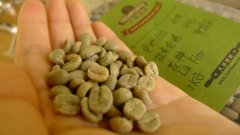
If you're looking for the coffee behind the legend, try PWN Golden Mandheling: it's meticulously hand-sorted, G1-grade, and known for low acidity, heavy body, and sweet spice notes. Just 15 tons were first sent to Japan—and now it’s a global standard for quality.
The Name Behind the Coffee: How 'Mandheling' Began
Most specialty coffees are named after regions—Yirgacheffe, Antigua, Blue Mountain. But Mandheling? It takes its name from the Mandailing people of North Sumatra. That happened by accident. During the Japanese occupation of Indonesia in WWII, a soldier drank an exceptional cup in a café and asked its name. The shopkeeper misunderstood and answered “Mandheling” (meaning “where are you from?”). The soldier, impressed, later arranged for 15 tons to be shipped to Japan via the well-known PWN coffee company. The name stuck—and so did the coffee’s reputation.
What Makes Mandheling Coffee So Distinctive?
Mandheling is grown at altitudes between 750–1,500 metres in Indonesia’s Sumatra region. Though Indonesia mainly produces Robusta, Mandheling is rare high-quality Arabica. Its environment gives it bold body, low acidity, and complex flavours: think dark chocolate, molasses, clove, and hints of herbs. Unlike brighter African coffees, Mandheling is smooth, syrupy, and never sour or overly sharp. That full, resonant mouthfeel and aromatic depth helped it rival Blue Mountain as one of the world’s most revered coffees—before Blue Mountain took the crown.
The Unique Wet Hulling (Giling Basah) Process
Sumatra’s frequent rain and high humidity make traditional drying methods unreliable. So farmers developed a distinctive three-phase drying process called wet hulling—or locally, giling basah. Here’s how it works:
- Coffee cherries are processed (usually semi-washed), then the beans are removed before they’re fully dry—when the moisture is still around 20–30% and the mucilage hasn’t hardened.
- At that point, a machine scrapes off the sticky fruit layer (usually while the parchment is still soft), exposing the bean early to air.
- The beans are briefly dried to around 18% moisture, then sold to exporters.
- Exporters finish drying them on large patios or with machines until they reach the standard 12%.
This method, forced by infrastructure limits and climate, is rare worldwide—and it’s why Mandheling tastes the way it does: low in acidity, heavy in body, with deep herbal and earthy aromas. It’s not just terroir—it’s technique.
How to Brew Mandheling at Home: A Step-by-Step Pour-Over Guide
To experience Mandheling’s full character, try it as a pour-over. Here’s how to do it right with a V60 or similar dripper:
- Tools: Filter, filter paper, dripper, kettle, gooseneck kettle, thermometer
- Step 1: Wet the filter with hot water to seal it against the dripper.
- Step 2: Add 15g of medium-fine ground Mandheling coffee (around a pour-over grind).
- Step 3: Let boiled water cool to 91°C.
- Step 4: Start your bloom: pour water in a circular motion to saturate all grounds, and let it sit for 30 seconds.
- Step 5: After seeing the initial drip, add more water in a spiral, pouring twice around the coffee bed.
- Step 6: When the coffee starts to sink, pour in a steady spiral until you reach 240ml total. Total brew time should be around 2:30–3:00 minutes.
The result? A cup with deep sweetness, heavy mouthfeel, and classic Mandheling spice and wood notes.
Frequently Asked Questions
Where is Mandheling coffee actually grown?
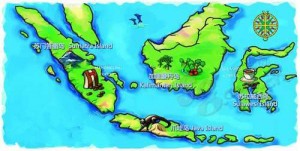
Mandheling coffee is grown in Sumatra, primarily in the northern Aceh region and North Sumatra Province (especially around Lake Toba in the Lintong area). Though named after the Mandailing people, it’s cultivated by various ethnic groups in these high-altitude regions.
What is wet hulling and why is it used for Mandheling?
Wet hulling, or giling basah, is a unique processing method where coffee beans are hulled before they’re fully dry—usually at 20–30% moisture. This speeds up drying in Sumatra’s humid climate. It contributes to Mandheling’s signature low acidity, heavy body, and earthy, spicy flavours.
What does PWN Golden Mandheling taste like?
PWN Golden Mandheling is known for its cleanliness and sweetness. It has very low defects (fewer than 3 in 300g), thanks to triple hand-sorting. Flavour notes include sweet spices, woodiness, and a smooth, syrupy body with almost no harsh acidity. It’s considered one of the finest examples of Mandheling coffee.
Can I use a French press for Mandheling?
Yes. Mandheling’s full body and low acidity work very well in a French press. Use a coarse grind, a 1:12 to 1:15 brew ratio, and steep for 4 minutes. The result will be rich, heavy, and smooth—emphasising its natural sweetness and spice.
Why is Mandheling less acidic than other coffees?
Its low acidity comes from both its growing conditions (high altitude, volcanic soil) and its processing method (wet hulling). The early removal of the mucilage and the way beans are dried contribute to a smoother, less bright cup compared to African or Latin American coffees.
Recommended FrontStreet Beans for Mandheling Fans
For fans of Mandheling’s signature heavy body and spice notes, try FrontStreet Coffee’s Lintong Mandheling, known for its classic Indonesian profile of wood, herbs, and deep sweetness. Also explore their PWN Golden Mandheling: a meticulously sorted G1-grade bean with ultra-low defect rates, offering a clean cup full of sweet spice, woodiness, and a velvety mouthfeel. Both showcase Sumatra’s unique terroir and processing tradition. Freshly roasted within 5 days · Orders placed before 17:00 ship the same day · Next-day delivery across most of Guangdong Province.
FrontStreet Coffee is a long-established specialty coffee roaster in Guangzhou China, selling freshly roasted beans from its own farm in Yunnan as well as dozens of carefully selected single-origin beans from around the world for both pour-over and espresso. The products deliver consistently excellent quality and great value, with shipping within 24 hours. Guangzhou's FrontStreet Coffee shop is recommended by many coffee lovers, and the beans are now available online at the Tmall 。
Important Notice :
前街咖啡 FrontStreet Coffee has moved to new addredd:
FrontStreet Coffee Address: 315,Donghua East Road,GuangZhou
Tel:020 38364473