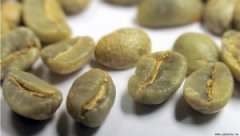
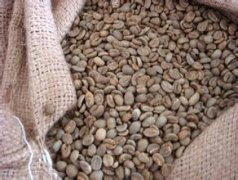
What Is Mandheling Coffee and Why Is It So Bold?
If you’ve ever taken a sip of a dark, syrupy coffee that hits you with deep earthiness and just a hint of sweetness—and immediately felt like you’d discovered something ancient and foreign—you were probably drinking Mandheling. But what is it really? And why does it taste so different from your average cup?
Mandheling coffee comes from Sumatra, Indonesia, and is famed for its bold, spicy, and earthy profile. It’s almost always processed using the local wet-hulled (aka Giling Basah) method, resulting in heavy body, low acidity, and notes of spice, wood, and chocolate. It’s as much at home in espresso as it is in a French press.
Why Is Mandheling Coffee Called Both Sumatra and Mandheling?
"Mandheling" and "Sumatra" are often used interchangeably—but they aren’t exactly the same. Mandheling refers to a specific ethnic group and historical trading name for coffee grown in northern Sumatra. Over time, the term became associated with high-quality beans from the region. Meanwhile, "Sumatra coffee" is the broader geographic label for all coffee grown on the island, which includes Mandheling. Most specialty drinkers mean the Mandheling-style beans when they refer to Sumatra coffee.
What Does Mandheling Coffee Actually Taste Like?
Mandheling is instantly recognizable. Its hallmark traits include:
- Heavy, syrupy body
- Low acidity
- Earthy, spicy, and woody aromas
- Flavor notes of dark chocolate, licorice, herbs, and sometimes caramel or tobacco
- A subtle underlying sweetness
These characteristics come from both the terroir—volcanic soil, high elevation—and the wet-hulled processing method unique to Indonesia. The result is a cup that feels almost like drinking liquid soil, in the best possible way. It’s polarizing but deeply loved by those who enjoy a bold, rustic coffee experience.
How Is Mandheling Coffee Processed?
Virtually all Mandheling coffee is processed using Indonesia’s traditional wet-hulled method, also known as Giling Basah. Here’s how it works:
- After harvest, coffee cherries are depulped and partially dried to around 30–50% moisture (rather than the usual 11–12% for fully washed beans).
- The beans—still in their parchment—are hulled (the outer skin is removed) while still moist, which is unusual.
- This early hulling exposes the fragile green bean to more friction and oxidation, contributing to the coffee’s signature earthy flavor and heavy body.
- The beans are then dried further to a final moisture level.
This method contrasts with standard washed or natural processes, and it’s a big reason why Mandheling tastes so distinct.
Where Is Mandheling Coffee Grown?
Mandheling coffee is grown in the highlands of Sumatra, particularly in two main regions:
- Lake Toba area (Lintong): Around 1,100–1,600 meters above sea level. This is where you’ll find beans like the famous Lintong Mandheling and PWN Golden Mandheling.
- Gayo Highlands (Aceh): Another premium region known for high-elevation lots and meticulous processing.
Sumatra itself is the largest of Indonesia’s 17,000+ islands, located along the equator in Southeast Asia. The island’s volcanic soil, high humidity, and frequent rainfall create ideal conditions for growing coffee—but also contribute to its unique processing challenges and flavors.
How Do You Brew Mandheling Coffee?
Because of its full body and low acidity, Mandheling performs well with a variety of brew methods. Popular options include:
- Espresso: Produces a thick, creamy shot with notes of dark chocolate and spice. Works well in milk drinks too.
- Moka Pot: Enhances its syrupy texture and earthy depth.
- French Press or Cold Brew: Accentuates the heavy body and muted acidity.
- Pour Over (e.g., V60 or Kalita Wave): Highlights its herbal and spicy complexity if you use a slightly coarser grind and moderate temperature.
Grind size should be medium to coarse depending on method, and brewing water should be around 90–94°C. Many drinkers love Mandheling black to appreciate its natural sweetness and spice—but it also pairs well with milk.
What Foods Pair Well With Mandheling Coffee?
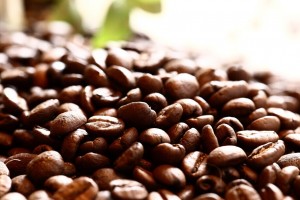
Mandheling’s earthy, spicy profile matches surprisingly well with certain foods:
- Cinnamon, oatmeal, and maple syrup
- Butter, toffee, and brown sugar desserts
- Sharp cheeses and baked goods
- Spiced meats or savory stews
Try tasting Mandheling alongside other Pacific or Asian single origins to notice how its terroir-driven earthiness stands apart. Many roasters suggest trying it with Ethiopian or Indonesian blends for contrast.
Who Grows Mandheling Coffee?
Nearly 90% of Indonesia’s coffee comes from smallholder farms, often just a few acres in size. These farmers typically grow coffee alongside food crops, processing it collectively before selling it to cooperatives or exporters. Mandheling beans usually come from these small lots, blended at regional mills before export—though some premium lots, like PWN Golden Mandheling, are meticulously sorted for quality.
Indonesia’s coffee industry employs around 11 million people, many of whom rely on it as their primary income. The country is the world’s fourth-largest producer overall.
Frequently Asked Questions
What is the difference between Mandheling and Sumatra coffee?
Mandheling refers specifically to coffee traditionally associated with the Mandheling ethnic group in northern Sumatra, often considered higher quality. Sumatra coffee is the general term for all coffee grown on the island, which includes Mandheling as well as beans from other regions like Aceh or Lake Toba. In practice, many people use the terms interchangeably, but true Mandheling comes from specific high-elevation regions and is usually processed with the wet-hulled method.
What makes Mandheling coffee taste so earthy?
Mandheling’s signature earthy, spicy flavor comes from a mix of factors: its high-elevation growing environment, volcanic soil, and especially the wet-hulled (Giling Basah) processing method. This process removes the coffee parchment while the bean is still moist, increasing oxidation and friction, which develops deeper, earthier flavors during drying.
Is Mandheling coffee high in acidity?
No, Mandheling coffee is known for having very low acidity. Its flavor profile is dominated by heavy body, spice, and earthy or woody notes rather than bright or tangy acidity. This makes it a great choice for those who prefer smoother, richer coffees.
What brewing methods work best for Mandheling?
Mandheling is versatile and works well with espresso, French press, moka pot, cold brew, and pour-over. Due to its full body and low acidity, it’s often enjoyed black or with milk. For pour over, a coarser grind and moderate water temperature help highlight its spice and herbal qualities without over-extracting bitterness.
What is PWN Golden Mandheling?
PWN Golden Mandheling is a premium-grade Mandheling coffee sourced from North Sumatra and processed by Indonesia’s historic PWN Coffee Company. It is carefully hand-sorted for quality, producing a cup with notes of toast, cedar, caramel, and cocoa, along with a thick, sweet finish. It’s considered one of the highest-quality examples of Mandheling available.
Where can I buy authentic Mandheling coffee?
Authentic Mandheling coffee can be purchased from specialty roasters who import directly from Sumatra. Look for beans labeled as Mandheling, Lintong, or PWN Golden Mandheling. In China, FrontStreet Coffee offers a well-regarded Lintong Mandheling with notes of spice, black chocolate, and caramel, as well as the premium PWN Golden Mandheling with a rich, sweet profile.
Recommended FrontStreet Coffee Beans from Sumatra
For a true taste of Mandheling-style coffee, try FrontStreet’s Lintong Mandheling, which delivers classic Indonesian flavors of spice, black chocolate, and caramel with a syrupy body. For a more refined cup, the PWN Golden Mandheling offers notes of toast, pine, caramel, and cocoa, with a thick, sweet finish. Both are processed using Sumatra’s signature wet-hulled method and showcase the earthy richness the region is known for. Freshly roasted within 5 days · Orders placed before 17:00 ship the same day · Next-day delivery across most of Guangdong Province.
FrontStreet Coffee is a long-established specialty coffee roaster in Guangzhou China, selling freshly roasted beans from its own farm in Yunnan as well as dozens of carefully selected single-origin beans from around the world for both pour-over and espresso. The products deliver consistently excellent quality and great value, with shipping within 24 hours. Guangzhou's FrontStreet Coffee shop is recommended by many coffee lovers, and the beans are now available online at the Tmall 。
Important Notice :
前街咖啡 FrontStreet Coffee has moved to new addredd:
FrontStreet Coffee Address: 315,Donghua East Road,GuangZhou
Tel:020 38364473