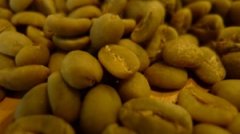
Why Panama Coffee Offers Great Value in Central America
If you’ve ever wondered why some small Central American countries produce such standout coffee—despite tiny production volumes and lower global recognition—Panama offers a compelling answer. This tiny nation punches well above its weight in the specialty coffee world, especially considering its size and relatively modest output. So what makes Panama coffee so uniquely good, and why is it often considered the best value in Central America?
In short: Panama’s high-altitude microclimates, volcanic soils, and meticulous small-lot processing create exceptional coffees with complex flavors—often at prices far below those of similarly acclaimed origins like Kenya or Ethiopia. The country’s best lots, especially Geisha, regularly rival the world’s most expensive coffees while remaining comparatively accessible.
Panama’s Ideal Coffee Growing Environment
Nestled at the center of the Americas, Panama is bordered by both the Atlantic and Pacific Oceans. Though a small country, it sits at just 9° north latitude and is part of Central America’s mountainous spine. One of its most significant geographic features is Volcán Barú, one of the highest volcanoes in Central America, rising over 11,400 feet. The volcanic soils around Barú and other highland areas are rich and fertile—perfect for cultivating distinctive coffee varieties.
These high-elevation regions offer a unique microclimate with stable temperatures, ideal altitude, and well-drained, nutrient-dense soils. Together, these factors slow coffee cherry maturation, allowing beans to develop more pronounced and varied flavors during growth.
The Unique Microclimates Behind Panama’s Specialty Coffee
Panama’s small-lot, numbered, and traceable coffee production begins with its exceptional terroir. The country’s east-to-west orientation channels cool air currents through the Central Cordillera mountains, concentrating at elevations above 6,500 feet. This creates distinct microclimates, particularly in regions like Boquete and Volcán – Candela, which have become hubs for Panama’s most celebrated coffees.
The high altitudes, combined with volcanic soil and cool temperatures, are what make Panama’s coffee profile possible. These factors preserve acidity, develop complex sugars, and allow for an unusually broad spectrum of cup characteristics—from bright citrus and floral notes to deep chocolate and caramel undertones.
Geisha: Panama’s Global Coffee Superstar
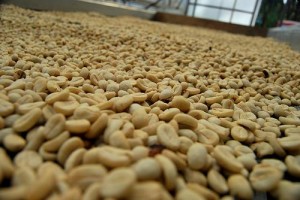
Among Panama’s many outstanding coffees, Geisha (or Gesha) stands apart. Originally a wild Ethiopian variety, Geisha was rediscovered in Panama and has since become the country’s most famous export. Known for its exceptional cup quality, Geisha beans are slender in shape and, when washed and properly processed, deliver an extraordinarily vibrant range of aromas and flavors.
Competition-grade Panamanian Geisha often exhibits intense citrus, jasmine, stone fruit, and tropical notes, with a tea-like body and a sweet, lingering finish. It’s this profile that has helped Panama’s Geisha win numerous Cup of Excellence titles and achieve auction prices that rival the most exclusive coffees globally.
Boquete: The Heart of Panama’s Coffee Excellence
The Boquete region, located in western Panama near the Costa Rican border and part of the Chiriquí province, sits at elevations around 4,000 feet. This area is home to some of the country’s oldest and most respected coffee farms, including the Tedman & MacIntyre Estate, founded in 1925 by Canadian immigrant Alexander Duncan MacIntyre. The estate remains family-owned and continues to produce high-quality washed Arabica coffee using traditional methods adapted to high-altitude conditions.
Boquete’s combination of elevation, cool climate, and fertile volcanic soil make it ideal for slow cherry development and complex flavor formation. Many of Panama’s award-winning lots originate here.
Why Panama Coffee Delivers Exceptional Value
Despite producing relatively small volumes, Panama has earned a reputation among third-wave coffee enthusiasts for delivering remarkable quality at mid-tier prices. For years, its coffees were overlooked or even misrepresented as other origins, such as Hawaiian Kona or Jamaican Blue Mountain. Yet, in blind tastings, many Panamanian coffees match or exceed the complexity and balance of far more expensive beans.
With bright acidity, medium body, and layered fruit or floral notes, well-prepared Panamanian coffee offers a refined cup experience that belies its price point. As specialty coffee appreciation grows, Panama’s balanced profiles and fair pricing are likely to gain even wider global recognition.
Frequently Asked Questions
What makes Panama coffee different from other Central American coffees?
Panama coffee is distinguished by its high-altitude microclimates, volcanic soils, and meticulous small-lot processing. These factors produce bright acidity, complex fruit and floral notes, and a smooth, often sweet cup—qualities that are especially pronounced in regions like Boquete and Volcán – Candela.
Why is Geisha coffee so famous from Panama?
Geisha (or Gesha) coffee, originally from Ethiopia, thrives in Panama’s high-altitude, cool-climate conditions. Panamanian Geisha is known for its vibrant citrus, jasmine, stone fruit, and tropical flavors, delicate body, and sweet finish. It has won multiple Cup of Excellence awards and often scores among the highest in global competitions.
Where in Panama is the best coffee grown?
The best Panama coffee comes from high-altitude regions like Boquete and Volcán – Candela, both located in the Chiriquí province near the Costa Rican border. These areas benefit from cool temperatures, volcanic soils, and elevations typically above 4,000–6,500 feet, ideal for slow cherry ripening and complex flavor development.
Is Panama coffee expensive compared to other specialty origins?
Though some competition-grade Geisha lots can fetch very high prices, everyday Panamanian specialty coffee is generally priced lower than similarly complex coffees from Kenya, Ethiopia, or Jamaica. This makes it a strong value option for high-quality, traceable single-origin beans.
What flavors can I expect from a typical Panama washed coffee?
A well-processed Panama washed coffee typically offers bright citrus, floral or jasmine notes, medium body, and balanced sweetness. Some lots may also show tropical fruit, stone fruit, honey, or subtle chocolate tones depending on the variety and processing method.
Recommended FrontStreet Beans for Exploring Panama Coffee
FrontStreet Coffee’s Panama Boquete Geisha showcases the signature bright citrus, jasmine, and tropical fruit notes that have made Panamanian Geisha famous. For a more accessible introduction, their Panama washed lots offer balanced acidity, medium body, and notes of stone fruit or caramel. Both demonstrate Panama’s ability to deliver high-quality, traceable coffee at fair prices. Freshly roasted within 5 days · Orders placed before 17:00 ship the same day · Next-day delivery across most of Guangdong Province.
FrontStreet Coffee is a long-established specialty coffee roaster in Guangzhou China, selling freshly roasted beans from its own farm in Yunnan as well as dozens of carefully selected single-origin beans from around the world for both pour-over and espresso. The products deliver consistently excellent quality and great value, with shipping within 24 hours. Guangzhou's FrontStreet Coffee shop is recommended by many coffee lovers, and the beans are now available online at the Tmall 。
Important Notice :
前街咖啡 FrontStreet Coffee has moved to new addredd:
FrontStreet Coffee Address: 315,Donghua East Road,GuangZhou
Tel:020 38364473