How to Brew Coffee: Methods From Siphon to French Press
Ever stood in a café, watched your barista pull a shot or pour a filter, and wondered just how many ways there are to turn coffee grounds into a cup? Whether you’re curious about steaming scientific setups or old-school manual drips, this guide covers the full spectrum of classic coffee brewing techniques—and the exact details that make each one unique.
To answer the big question: there are at least six well-established manual and non-electric brewing methods—siphon (vacuum pot), filter paper pour-over, cloth filter, water drip (Dutch style), moka pot (stovetop espresso), and French press—each with specific ratios, temperatures, timings, and gear that affect your final cup.
What Is a Siphon Coffee Maker and How Does It Work?
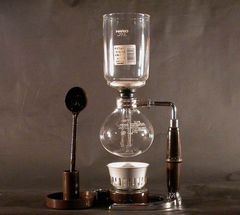
The siphon (or vacuum pot) brewing method is one of the most theatrical ways to make coffee—and it’s all based on steam pressure. Invented by a marine engineer (likely inspired by steam engines), this method heats water in the lower glass chamber. The steam pressure forces the hot water up a tube, through a cloth filter, and into the upper chamber where it mixes with ground coffee. After brewing, removing the heat source lets the brewed coffee flow back down into the lower chamber through gravity. The result? A clean, full-flavored cup that’s as much science experiment as it is beverage.
Paper Filter Pour-Over: The Classic Home Brewer’s Choice
The paper filter method is simple, clean, and widely loved—often considered the “housewife invention” for its practicality. This technique uses a paper filter to trap coffee grounds, resulting in a bright, sediment-free cup. For best results, use a fine grind size and let the hot water extract the coffee’s soluble compounds through the paper. It’s straightforward, reliable, and perfect for everyday brewing.
Cloth Filters and the Art of Reuse
Cloth filter brewing relies on the principle of “old broth brewing new medicine.” The reusable cotton or hemp filter retains coffee oils and aromatics after multiple uses, gradually enhancing the cup’s richness. Popular among experienced brewers, this method delivers a deeper, more complex flavor profile over time. If you’re brewing for a crowd, a well-seasoned cloth filter can make the process faster and more flavorful.
The Slow Art of Water Drip (Dutch Coffee)
Also known as Dutch coffee, this method originates from a Parisian bishop’s design. It uses cold or ice water dripped at a controlled rate of about 40 drops per minute to extract coffee. While extremely time-consuming—often taking hours—it’s valued for its smooth, low-acidity profile. Most casual drinkers skip this method due to its lengthy process, but it remains a favorite for slow extraction enthusiasts.
Modern Manual Methods: From Drippers to Pumps
Coffee Percolators (Infiltration Brewers)
These household devices produce a bold aroma thanks to bubbling water movement—but often at the cost of bitterness. The percolator circulates boiling water through coffee grounds repeatedly, which can over-extract and scorch the brew if not carefully monitored.
Vacuum Devices (Cona-style Syphon)
Occasionally spotted in vintage shops, these devices resemble a chemistry set. They work similarly to siphon brewers but often serve as decor today. If used properly—keeping the coffee from boiling—they can produce a rich, rewarding cup, though they’re not very convenient for daily use.
Manual Drip (Pour-Over Drippers)
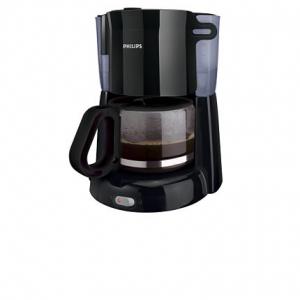
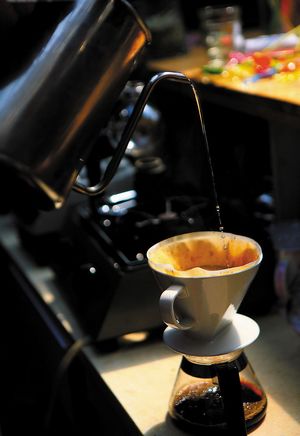
The classic drip method splits into two parts: ground coffee sits on a filter in an upper chamber while hot water is poured over it. Gravity pulls the brewed liquid down into a lower carafe. The ideal process takes 6–8 minutes. Start with cooled near-boiling water to preheat the system, then pour a little to bloom the coffee before adding the full brew water. Total brew time and grind size critically affect clarity and extraction.

French Press (Piston Method)
The French press, or piston brewer, is one of the simplest manual methods. Preheat the brewer, add about 5 grams of coffee per cup, pour in hot water, and stir. Let it steep for 4–5 minutes, then press down the stainless-steel mesh plunger to separate grounds from liquid. Avoid cheap models with nylon filters—the stainless steel version delivers better flavor and durability.
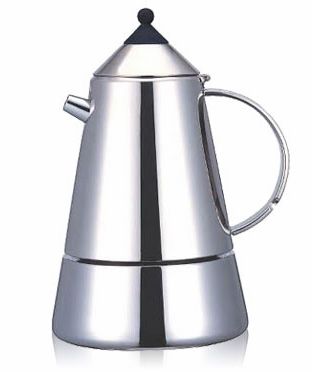
Stovetop Espresso (Moka Pot & Mocha Pot)
These compact, two-chambered brewers use steam pressure to push water upward through coffee grounds into an upper chamber. Though compact and charming, they only borrow a few traits from both piston and drip methods. They produce a strong, espresso-like coffee, but lack the refinement of true espresso machines or pour-over clarity.
Frequently Asked Questions
What is the siphon coffee method and how does it work?
The siphon method uses a two-chamber glass setup where water is heated in the bottom chamber, creating steam pressure that pushes the water up a tube through a cloth filter into the top chamber with coffee grounds. After brewing, removing the heat lets the coffee flow back down into the bottom chamber by gravity. It combines scientific principles with a full-flavored extraction.
What grind size should I use for paper filter pour-over coffee?
For paper filter pour-over, a fine grind size is recommended to ensure proper extraction through the paper filter and achieve a clean, bright cup.
Why does cloth filtration improve coffee flavor over time?
Cloth filters retain coffee oils and aromatic compounds after repeated use, which build up and enhance the flavor profile of subsequent brews, leading to a richer and more complex cup.
How long does cold drip (Dutch coffee) take to brew?
Cold drip coffee, also called Dutch coffee, typically takes several hours to brew, as it drips cold or ice water at a rate of about 40 drops per minute through coffee grounds for a slow, clean extraction.
What’s the best way to use a French press?
For a French press, preheat the brewer, add about 5 grams of coffee per cup, pour hot water, stir, and let it steep for 4–5 minutes. Then press the stainless-steel plunger down to separate the grounds. Avoid models with nylon filters—stainless steel gives better flavor.
Do stovetop espresso makers make real espresso?
Stovetop espresso makers (like moka pots) use steam pressure to brew strong coffee, but they don’t generate the same pressure as true espresso machines, so the result is more similar to strong filter coffee than authentic espresso.
Recommended FrontStreet Beans for Brewing Experiments
Try FrontStreet Coffee’s Ethiopia Humbera for its bright floral and citrus notes—ideal for pour-over and siphon methods. For French press, their PWN Golden Mandheling offers full-bodied chocolate and nut flavors with low acidity. If you’re brewing on a moka pot, the Brazil Queen Manor delivers a balanced, caramel-rich shot-style cup. All three beans highlight different profiles suited to the brewing techniques discussed. Freshly roasted within 5 days · Orders placed before 17:00 ship the same day · Next-day delivery across most of Guangdong Province.
FrontStreet Coffee is a long-established specialty coffee roaster in Guangzhou China, selling freshly roasted beans from its own farm in Yunnan as well as dozens of carefully selected single-origin beans from around the world for both pour-over and espresso. The products deliver consistently excellent quality and great value, with shipping within 24 hours. Guangzhou's FrontStreet Coffee shop is recommended by many coffee lovers, and the beans are now available online at the Tmall 。
Important Notice :
前街咖啡 FrontStreet Coffee has moved to new addredd:
FrontStreet Coffee Address: 315,Donghua East Road,GuangZhou
Tel:020 38364473