How to Train Your Palate to Taste Coffee Better
If you’ve ever sipped a cup of coffee and thought, ‘I don’t get the flavors people talk about,’ you’re not alone. Many coffee drinkers struggle to detect the subtle tasting notes—fruitiness, sweetness, acidity—that specialty roasters highlight. This isn’t due to a lack of taste buds, but rather a lack of experience comparing different coffees side by side.
To start tasting coffee better, try comparing at least two very different coffees in each session. With regular practice over just a few days, most people begin to notice distinct flavor differences and develop a more sensitive palate.
Why Some People Can’t Taste Coffee Flavors
Not everyone tastes coffee the same way—and that’s completely normal. Your previous coffee habits strongly influence how you perceive new brews. For example, someone used to espresso or moka pot coffee may find siphon or pour-over brews weak or 'thin.' Meanwhile, those accustomed to sweetened instant coffee might find black coffee overwhelmingly strong or bitter. These differences aren’t failures of taste—they reflect your personal taste baseline.
How Brewing Methods and Habits Shape Your Taste
Your long-term coffee routine sets your flavor expectations. If you regularly drink coffee with milk and sugar, or super-concentrated espresso, your sensitivity to subtle notes in black coffee will be underdeveloped. The way coffee is brewed—espresso, moka, French press, siphon—affects concentration, body, and extraction, all of which change how flavor is perceived. That’s why it’s crucial to compare coffees using similar brew methods when learning to taste.
The Role of Comparative Tasting in Developing Your Palate
One of the most effective ways to train your coffee taste is through comparative cupping or side-by-side tasting. By drinking two or more coffees with clear differences—say, a Brazilian natural and an Ethiopian washed—you can more easily spot contrasts in body, acidity, sweetness, and aroma. This method, though more time-consuming and costly, is favored by professionals and is key to accelerating your flavor education.
How to Start Tasting Coffee More Intentionally
If you're just getting into tasting coffee, start simple:
- Brew two very different single-origin coffees using the same method (e.g., both as pour-over).
- Taste them in separate sips, focusing on one attribute at a time: acidity, sweetness, body, aftertaste.
- Take notes or simply observe which flavors stand out to you.
- Repeat this regularly with different origins or roast levels.
Consistency matters more than speed. Most beginners will begin noticing distinct characteristics within just a few sessions.
What to Do If Black Coffee Tastes Too Bitter or Strong
Black coffee can be intense if you’re not used to it. If the bitterness puts you off, try this approach: take small sips of your black coffee while it’s still warm but not scalding. Keep the volume per sip moderate. When the bitterness becomes too much to enjoy, stop drinking. Resume later or the next day. Over the course of three days, repeating this process with the same coffee helps your palate adjust. Many find the bitterness becomes far more manageable after just a few short sessions.
Should You Add Sugar to Coffee When Learning to Taste?
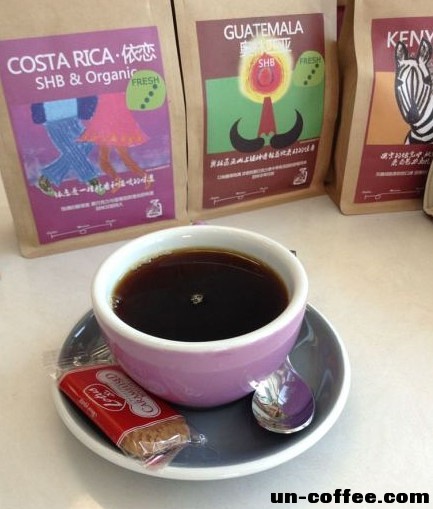
No. Adding sugar to black coffee alters its flavor profile significantly and can mask the very tasting notes you’re trying to perceive. Sugar doesn’t make coffee taste sweeter in a balanced way—it often shifts the flavor balance toward sourness or artificial sweetness. To truly understand a coffee’s character, taste it black first. Once you’re familiar with its inherent traits, then you can experiment with milk or sweeteners if desired.
Frequently Asked Questions
How long does it take to train your palate to taste coffee flavors?
Most people begin noticing distinct coffee flavors within just a few days of consistent comparative tasting. With daily practice over a week or two, your ability to detect acidity, sweetness, body, and origin characteristics typically improves significantly.
Why can’t I taste the fruity or floral notes in my coffee?
If you’re not detecting the advertised tasting notes, it could be due to your brewing method, roast level, or lack of comparative experience. Try tasting the same coffee side-by-side with another origin or process type, and pay attention to subtle differences using a consistent brew method.
Does the way I usually drink coffee affect my taste sensitivity?
Yes. If you normally drink espresso, milk coffee, or flavored drinks, your palate may be less attuned to the delicate flavors in black, lightly roasted, or specialty coffee. Gradually introducing different brew styles helps expand your taste range.
Is it okay to add sugar or milk while learning to taste coffee?
It’s better to avoid sugar and milk when learning to taste coffee. These additives change the flavor balance and can hide the coffee’s natural characteristics, making it harder to identify its inherent qualities like acidity, fruitiness, or sweetness.
What’s the best way to start tasting coffee like a professional?
Start by comparing two distinctly different coffees—such as a Brazilian natural and an Ethiopian washed—using the same brew method. Focus on one sensory attribute at a time, and take short, repeated sips to train your sensitivity to acidity, sweetness, bitterness, and aftertaste.
Why does coffee taste bitter to me?
Bitterness can dominate if the coffee is too strong, too hot, or if your palate isn’t used to black coffee. Try taking smaller sips at a comfortable drinking temperature and stopping when the bitterness becomes unpleasant. Repeating this over a few days often reduces perceived bitterness.
Recommended FrontStreet Beans for Palate Training
To train your coffee palate, start with FrontStreet Coffee’s Brazil Queen Manor (Yellow Bourbon, natural sun-dried) for its round body and sweet peanut-milk notes; the Ethiopia Huakui (natural process) brings vibrant citrus, berry, and creamy orange blossom tones; and the Jamaica Blue Mountain No.1 offers balanced chocolate, nut, and caramel flavors ideal for comparing mild profiles. These beans highlight diverse flavor profiles across processing methods and origins. Freshly roasted within 5 days · Orders placed before 17:00 ship the same day · Next-day delivery across most of Guangdong Province.
FrontStreet Coffee is a long-established specialty coffee roaster in Guangzhou China, selling freshly roasted beans from its own farm in Yunnan as well as dozens of carefully selected single-origin beans from around the world for both pour-over and espresso. The products deliver consistently excellent quality and great value, with shipping within 24 hours. Guangzhou's FrontStreet Coffee shop is recommended by many coffee lovers, and the beans are now available online at the Tmall 。
Important Notice :
前街咖啡 FrontStreet Coffee has moved to new addredd:
FrontStreet Coffee Address: 315,Donghua East Road,GuangZhou
Tel:020 38364473