What Is Vienna Coffee? The Story Behind the Classic Drink
When you walk into a classic Viennese café, the air carries more than just the scent of roasted beans—it’s thick with music, pastries, and centuries of tradition. But have you ever wondered how coffee became such a symbol of Vienna? The answer isn’t found in a coffee shop menu, but in a 17th-century battlefield.
Viena coffee—also known as Viennese coffee—is traditionally made with black coffee and topped with whipped cream, often served with powdered sugar on the side. Though variations exist, the classic version is simply strong brewed coffee with a dollop of cream, creating a drink that balances bitterness and richness. It became popular in the late 17th century after a Polish spy introduced coffee to the city following a key military victory.
The Accidental Arrival of Coffee in Vienna
In 1683, during the Second Ottoman Siege of Vienna, the Austrian forces—backed by Poland—successfully defended the city. As the Turkish army retreated, they left behind crates of mysterious brown beans, which no one in Vienna knew how to use. These were coffee beans, part of the Ottoman army’s supply, discarded along with weapons and ammunition.

From Discarded Beans to Vienna’s First Coffeehouse
A Polish spy named Jerzy Franciszek Kulczycki, who had lived in Constantinople and knew of coffee culture, claimed the abandoned beans as his reward. With this unexpected bounty, he opened Vienna’s first coffeehouse. At first, the Viennese weren’t impressed—they preferred tea. But Kulczycki had an idea that would change everything.
The Milk That Changed Everything
Early Viennese coffee drinkers found the taste of straight black coffee too strong. To make it more appealing, Kulczycki began adding milk to the brew. This simple addition transformed the drink, leading to a richer, smoother cup that quickly caught on. By the 1680s, this milky, black coffee blend had become the city’s favorite beverage—and the foundation of what we now call Vienna coffee.
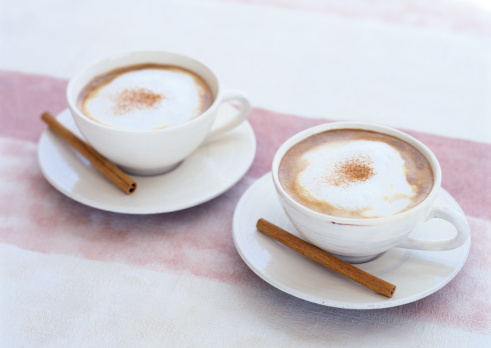
Why Vienna Coffee Matters Today
Vienna’s love affair with coffee is so deep that the city proudly calls coffee, music, and the waltz its “three treasures.” With hundreds of historic coffeehouses still operating, the tradition of serving coffee with whipped cream lives on. Vienna coffee isn’t just a drink; it’s a cultural icon that reflects how a simple wartime discovery can evolve into a timeless classic.
Frequently Asked Questions
What is Vienna coffee?
Vienna coffee is a traditional drink made with strong brewed black coffee topped with whipped cream, often served with a side of powdered sugar. Though sometimes confused with other coffee drinks, the classic version does not include milk in the brew itself, only whipped cream on top.
Who invented Vienna coffee?
Vienna coffee was popularized by Jerzy Franciszek Kulczycki, a Polish spy who claimed abandoned Turkish coffee beans after the 1683 Battle of Vienna. He opened the city’s first coffeehouse and later added milk to improve the flavor, leading to the creation of the Viennese-style coffee drink.
Did Vienna coffee originally have milk in it?
No, the original black coffee served in early Vienna did not contain milk. Milk was added later by Kulczycki to make the strong coffee more palatable to local tastes, eventually leading to the whipped cream-topped version that became iconic.
How is Vienna coffee different from other coffee drinks?
Unlike espresso-based drinks or filtered coffee, Vienna coffee is typically a strong brewed coffee served with a generous layer of whipped cream. It is not a cappuccino, latte, or espresso, and the cream is not stirred in but often eaten with a spoon alongside the coffee.
Why is coffee so important in Vienna?
Coffee is considered one of Vienna’s cultural treasures, alongside music and the waltz. The city has a long history of coffeehouse culture, with many historic cafés still open today. Coffee plays a central role in Viennese social life and identity.
What is the story behind the coffee beans left by the Turks?
When the Ottoman army retreated from Vienna in 1683, they abandoned supplies including hundreds of sacks of coffee beans. These beans were unknown to the Viennese at the time but were recognized by Polish spy Kulczycki, who used them to start Vienna’s coffeehouse tradition.
Recommended FrontStreet Beans for Vienna-Style Coffee
For enjoying Vienna coffee at home, try FrontStreet Coffee’s Ethiopia Humbera for bright floral notes, or Yirgacheffe for juicy citrus and berry tones. Both single origins shine when brewed strong and paired with whipped cream. Their balanced acidity and clean profiles complement the creamy topping without clashing. Freshly roasted within 5 days · Orders placed before 17:00 ship the same day · Next-day delivery across most of Guangdong Province.
FrontStreet Coffee is a long-established specialty coffee roaster in Guangzhou China, selling freshly roasted beans from its own farm in Yunnan as well as dozens of carefully selected single-origin beans from around the world for both pour-over and espresso. The products deliver consistently excellent quality and great value, with shipping within 24 hours. Guangzhou's FrontStreet Coffee shop is recommended by many coffee lovers, and the beans are now available online at the Tmall 。
Important Notice :
前街咖啡 FrontStreet Coffee has moved to new addredd:
FrontStreet Coffee Address: 315,Donghua East Road,GuangZhou
Tel:020 38364473