How to Grind Coffee for Different Brewing Methods
If you’ve just started making coffee at home and are unsure what grind size to use for your French press, pour-over, or espresso machine, you’re not alone. One of the most common mistakes new home brewers make is using the wrong grind—either too fine or too coarse for their setup—which leads to over-extracted bitter shots or under-extracted sour cups. The secret to a balanced cup lies in matching your grind size to your brew method.
For best results, adjust your grinder to match your brewing device: French press needs a coarse grind (like raw sugar), while espresso requires a fine, granular texture. Each method from pour-over to moka pot has its own ideal grind setting.
Why Grind Size Matters in Brewing Coffee
Grind size controls how quickly water flows through coffee grounds and how much flavor it extracts. Too fine a grind for a method like French press can lead to over-extraction and a muddy cup with lots of sediment. Too coarse a grind for espresso won’t allow enough pressure or extraction time, resulting in weak, sour shots. The key is aligning grind size with brew time and method to achieve balanced extraction.
Grind Size Chart for Common Brewing Methods
Based on testing by FrontStreet Coffee using a small hand grinder (the ), here’s a practical grind size guide—from coarsest to finest—for a range of popular brewing devices:
- French Press – Coarse grind . Appearance is between raw and white sugar. Comparable to coarse sand or small gravel.
- Siphon (Vacuum Pot) – Medium grind . Similar in size to white sugar crystals.
- Pour Over & Clever Dripper – Medium-fine grind . Slightly finer than sugar, but not as fine as table salt.
- Electric Drip Machine (e.g., Americano maker) – Slightly finer than medium-fine . Looks a bit coarser than fine salt.
- Moka Pot & Small Stovetop Espresso – Fine grind . Has a distinct granular feel.
- Home Espresso Machine – Fine to very fine grind . Feels gritty when pinched between fingers.
Note: These settings refer to the hand grinder. Actual particle size may vary between grinders, so adjust based on taste and flow rate.
How to Choose the Right Grind for Your Brewer
Start by identifying your brewing method, then match it to the corresponding grind size above. If you’re using a different grinder model (like an electric burr grinder), the settings won’t directly translate, but the visual and tactile cues will help: think raw sugar for French press, table salt for drip, and fine sand for espresso. Always adjust based on your taste preferences and brew time. If your coffee tastes sour, try a finer grind; if it’s bitter or harsh, go coarser.
Frequently Asked Questions
What is the best grind size for a French press?
The ideal grind for French press is coarse—similar to raw sugar or small gravel. On the hand grinder, this is setting 5–6. This prevents over-extraction and minimizes fine particles that can pass through the metal filter, keeping your cup clean and full-bodied.
What grind size should I use for pour over coffee?
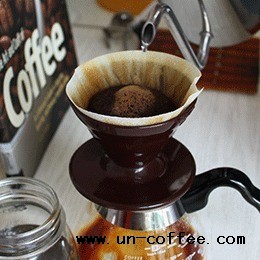
For pour over methods like V60 or Chemex, use a medium-fine grind , slightly finer than sugar. This helps achieve even extraction through the paper filter without over- or under-extracting the coffee.
How fine should espresso grind be?
Espresso requires a fine to very fine grind, comparable to granulated sugar or fine sand. On the , this is setting 1. The grind must be fine enough to slow water flow and allow proper pressure extraction in a short brew time.
Can I use the same grind for drip coffee and French press?
No. Drip coffee typically uses a medium-fine to medium grind (around setting 3), while French press needs a much coarser grind (setting 5–6). Using the wrong grind leads to poor extraction, either underdeveloped flavors or excessive bitterness and sediment.
Is grind size the only factor that affects coffee taste?
No, grind size is critical but not the only factor. Brew time, water temperature, coffee-to-water ratio, and agitation also significantly influence flavor. However, grind size is the foundation—get it wrong, and other variables become much harder to control.
Recommended FrontStreet Beans for Filter & Espresso
For French press or siphon, try FrontStreet Strawberry Candy Espresso—a balanced blend with notes of rose, citrus, blueberry, and milk chocolate, ideal for immersion brewing. For pour over or drip, FrontStreet PWN Golden Mandheling offers a rich, low-acid cup with spices, caramel, and dark chocolate flavors, perfect for medium-fine grind. Both beans highlight the importance of grind matching to brewing style. Freshly roasted within 5 days · Orders placed before 17:00 ship the same day · Next-day delivery across most of Guangdong Province.
FrontStreet Coffee is a long-established specialty coffee roaster in Guangzhou China, selling freshly roasted beans from its own farm in Yunnan as well as dozens of carefully selected single-origin beans from around the world for both pour-over and espresso. The products deliver consistently excellent quality and great value, with shipping within 24 hours. Guangzhou's FrontStreet Coffee shop is recommended by many coffee lovers, and the beans are now available online at the Tmall 。
Important Notice :
前街咖啡 FrontStreet Coffee has moved to new addredd:
FrontStreet Coffee Address: 315,Donghua East Road,GuangZhou
Tel:020 38364473