SammyLin2010’s 20 Signature Latte Art Designs
If you’ve ever tried to draw something specific in your latte foam—like a tiger for Lunar New Year—and ended up with just a blob, you’re not alone. Professional baristas and home enthusiasts alike know that creating detailed, expressive latte art takes practice, control, and a few clever techniques. Here’s how one barista turned simple pours into vivid scenes.
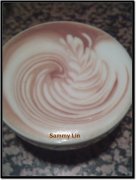
SammyLin2010 created 20 unique latte art designs, including an elephant mountain with a paddle-shaped trunk, a misty mountain peak with an eagle, and a desert caravan under moonlight — all crafted with just a pitcher, steam wand, and precision pouring.
Chinese-Inspired Latte Art Concepts
Many of SammyLin2010’s designs draw directly from Chinese landscapes and folklore. For example, “Elephant Mountain” is formed with a basic circle, then a spoon is used to lift out the trunk shape while a small raft is sketched in the foam. “Misty Peak” uses the ring of milk to form the outline of a mountain, with flowing clouds, a mountain path, and an eagle added with careful strokes. “Desert Caravan” keeps it minimal with a white moon and drifting clouds, but the two camels require steady hands and fine detail work.
Sunset and Figure-Based Designs
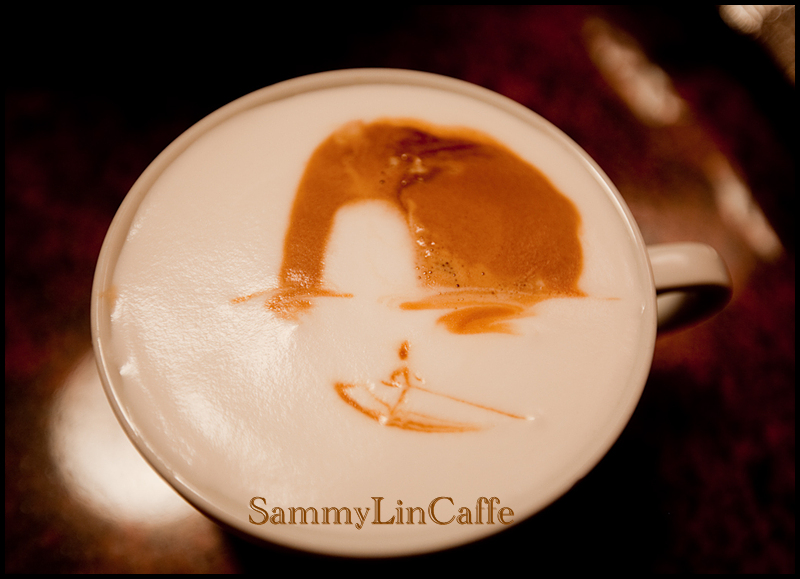
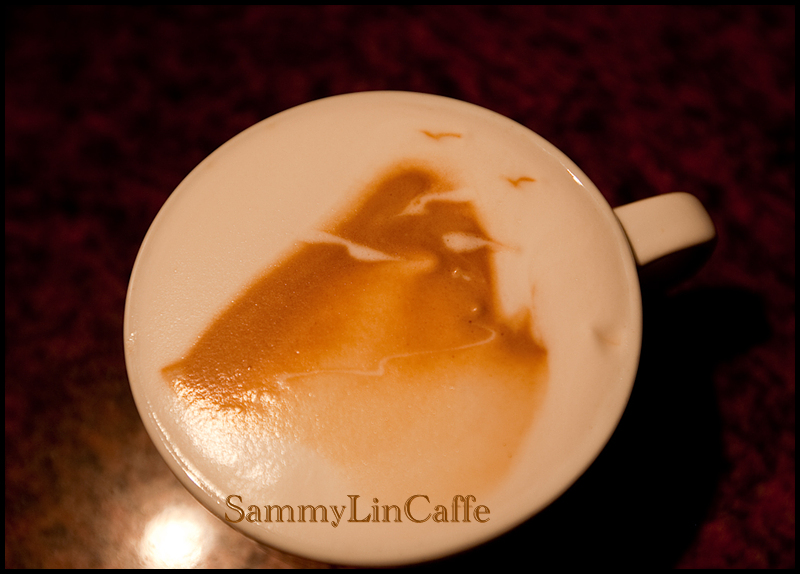
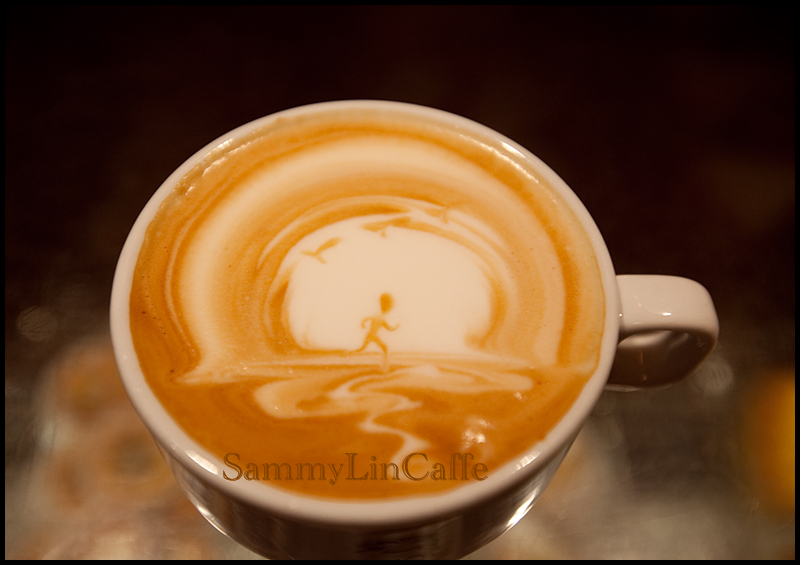
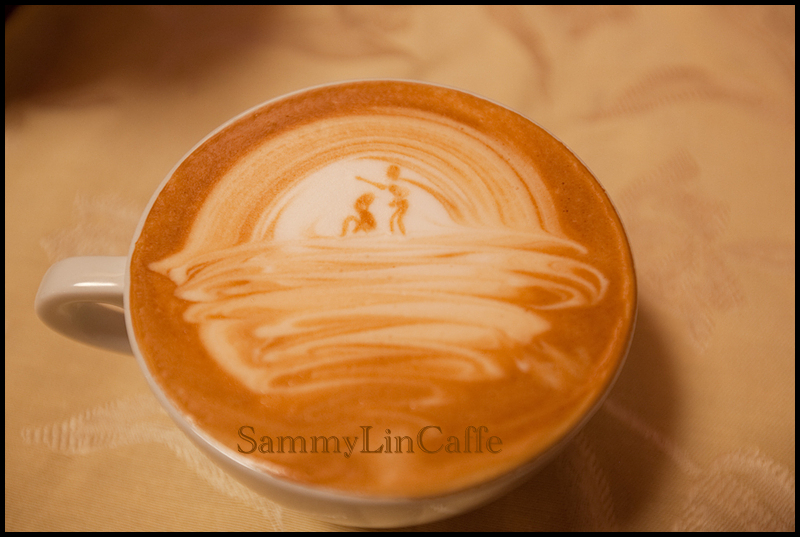
Two “Sunset” pieces break away from the outlined approach — instead of a defined circle border, they use open space and positioning to imply the scene. The small figures in these designs can be adapted to convey different moods or stories, showing how flexible latte art can be beyond rigid templates.
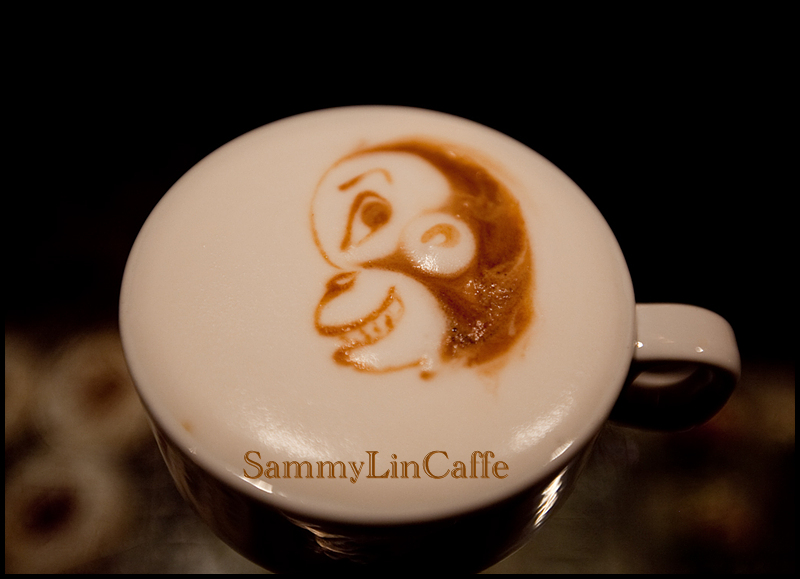
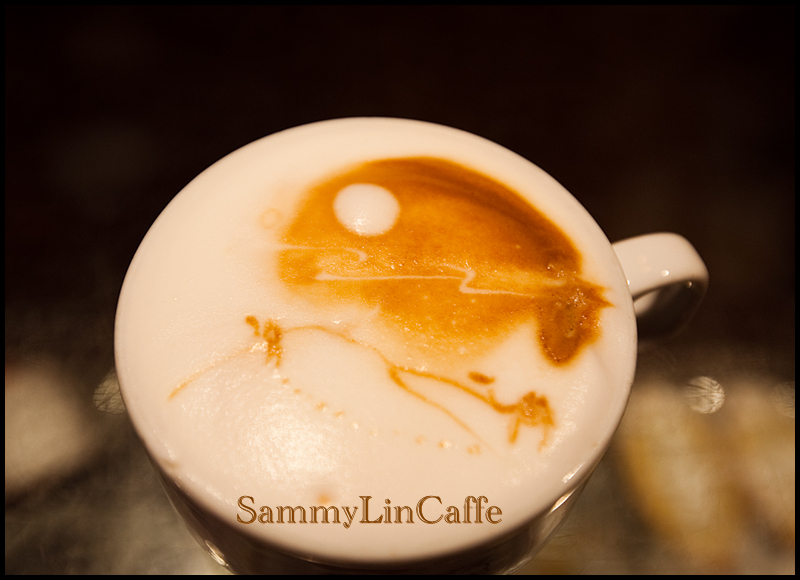
Another playful piece features a small monkey waving “hi,” created when the intended tiger design didn’t achieve the desired effect. These more whimsical or abstract designs show how baristas can pivot and still deliver engaging art.
How Latte Art Technique Impacts Design
The complexity of each piece depends on the tools and pouring finesse. A simple circle and spoon technique suffices for the elephant’s trunk, while layered steaming and microfoam control bring out the peaks and valleys of a mountain scene. Fine details like camels or an eagle demand steady pour control and often a toothpick or skewer for final touches. The use—or avoidance—of a defined circle border also changes how the design emerges from the cup.
Even when not using a border, placement, contrast, and layering determine how clearly a figure or scene reads. Whether you're aiming for realism or abstraction, the foam’s texture, the milk’s consistency, and your pour angle all play critical roles.
Frequently Asked Questions
What tools do you need to create detailed latte art like Elephant Mountain or Misty Peak?
You’ll need an espresso machine with a steam wand for microfoam, a skilled steam pitch to create velvety milk, and a pouring pitcher. For fine details like the elephant’s trunk or an eagle, a spoon or toothpick helps lift or etch the foam. Consistent microfoam texture is essential for clean lines and shapes.
Can I make these designs at home without professional training?
Yes, but it takes practice. Start with basic heart or rosetta patterns to build control over your pour, then experiment with spoons and simple shapes. A home espresso setup with a good steam wand and fresh milk will help. Patience and repetition are key to mastering detail work.
Why did the tiger design not work, and how did the monkey become the alternative?
The tiger design didn’t achieve the intended visual impact or “spirit” , so the barista opted for a simpler, more expressive character — a smiling monkey saying “hi.” This shows how baristas sometimes pivot to more playful or achievable subjects while still creating engaging art.
How important is the milk texture for detailed latte art?
Extremely important. Silky, microfoam with small, uniform bubbles is crucial for clean edges and fine details. Wet or overly bubbly milk will not hold sharp lines or allow for delicate features like camel humps or eagle wings.
What’s the best way to practice creating landscape-style latte art?
Start with basic shapes and outlines — circles, lines, and simple figures. Move on to using a spoon to shape elements like trees or trunks. Study real landscapes for shapes and negative space, then try to simplify them into foam-friendly designs. Consistent steam pressure and pour height are also vital.
Recommended FrontStreet Beans for Latte Art Practice
To practice latte art like SammyLin2010, start with FrontStreet Coffee’s Classic Blend — a medium-dark roasted mix of Latin American beans with a touch of Robusta for bold crema and stable foam, offering notes of buttery toast and caramel. For a smoother, nuttier base, try the Specialty Blend with Colombian and Brazilian beans, delivering almond, dark chocolate, and creamy mouthfeel ideal for latte textures. If you’re planning to serve drinks professionally, the Commercial Blend adds more Robusta for thicker crema and extra stability, enhancing both flavor and pour control. Freshly roasted within 5 days · Orders placed before 17:00 ship the same day · Next-day delivery across most of Guangdong Province.
FrontStreet Coffee is a long-established specialty coffee roaster in Guangzhou China, selling freshly roasted beans from its own farm in Yunnan as well as dozens of carefully selected single-origin beans from around the world for both pour-over and espresso. The products deliver consistently excellent quality and great value, with shipping within 24 hours. Guangzhou's FrontStreet Coffee shop is recommended by many coffee lovers, and the beans are now available online at the Tmall 。
Important Notice :
前街咖啡 FrontStreet Coffee has moved to new addredd:
FrontStreet Coffee Address: 315,Donghua East Road,GuangZhou
Tel:020 38364473