Latte Art Doesn't Mean Great Coffee
You’ve seen those Instagram-worthy lattes with delicate hearts, tulips, and swans floating atop silky milk — but have you ever taken a sip and wondered why it doesn’t taste as good as it looks? Many coffee lovers fall into the trap of equating beautiful latte art with a great-tasting drink. The truth? You can pour the most intricate design and still end up with an average cup.
No, a stunning latte art does not mean you're drinking great coffee. The visual appeal of latte art might enhance your experience, but it’s the espresso and milk combination — not the pattern — that defines a quality cup. A well-pulled shot and properly steamed milk matter far more than the swirl on top.
What Is Latte Art, Really?
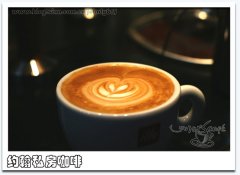
Latte art refers to the patterns created on the surface of espresso-based drinks — usually lattes or cappuccinos — by manipulating steamed milk. Popular designs include hearts, rosettas, tulips, and more complex free-pours. While it requires skill, control, and practice, latte art is ultimately a visual flourish. It doesn’t change what’s in the cup.
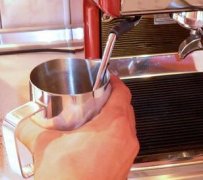
Many baristas spend hours perfecting their pours, aiming for symmetry, contrast with the crema, and clean edges. But if the foundational espresso is weak, under-extracted, or the milk is poorly textured, no amount of artistry will save the drink.
Why Good Coffee Comes First
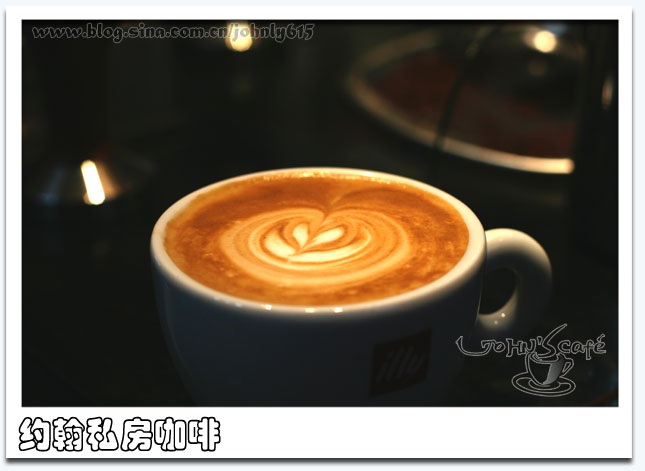
The soul of any coffee drink is the espresso. A well-balanced, properly extracted shot provides the core flavours, aroma, and crema that define the cup. Whether you’re making a flat white, latte, or cappuccino, the espresso must be the foundation. Only then does milk enhance — not mask — what’s underneath.
In the original article, the author reflects on spending weeks practising latte art, pouring countless cartons of milk to refine technique. The result? Smoother, more detailed pours. But they stress: “A good latte art does not equal a cup of coffee that tastes and smells excellent.” Even the most intricate latte is “just latte art” without quality coffee behind it.
The author also critiques some shop baristas who focus too much on the appearance of the pour — whether it’s “clearly defined” or “delicate” — while ignoring the coffee itself. “Without the coffee, the latte art means nothing,” they write. “It’s the coffee that makes the latte art meaningful.”
Espresso: The Heart of the Drink
The espresso shot — typically a double, around 30ml brewed in 20–30 seconds using 7–9g of finely ground coffee — sets the stage. Key elements include:
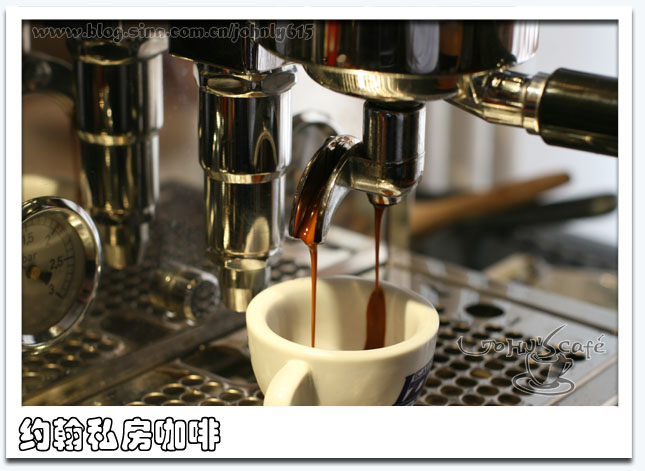
- Crema: The golden-brown foam layer formed during extraction, contributing to aroma and texture.
- Brew ratio: Commonly 1:2 (7–9g coffee to 14–18ml espresso).
- Extraction time: Around 25–30 seconds for optimal balance.
- Flavour balance: A good espresso should balance sweetness, acidity, and bitterness without any single element overpowering.
When this shot is poured into steamed milk — heated to around 60–65°C with microfoam created by aerating milk to 10–12% volume increase — the resulting drink can shine. But none of that depends on whether there’s a leaf or heart on top.
What Really Makes a Good Milk Coffee?
Beyond the espresso, here’s what impacts the actual drink quality:
- Milk quality: Fresh, whole milk (around 3–4% fat) is ideal for texture and sweetness.
- Steaming technique: Properly steamed milk has a glossy, velvety microfoam with small, uniform bubbles.
- Milk temperature: Optimal range is 60–65°C; going hotter scalds the milk and ruins sweetness.
- Espresso strength: Should be bold enough to cut through the milk but not bitter.
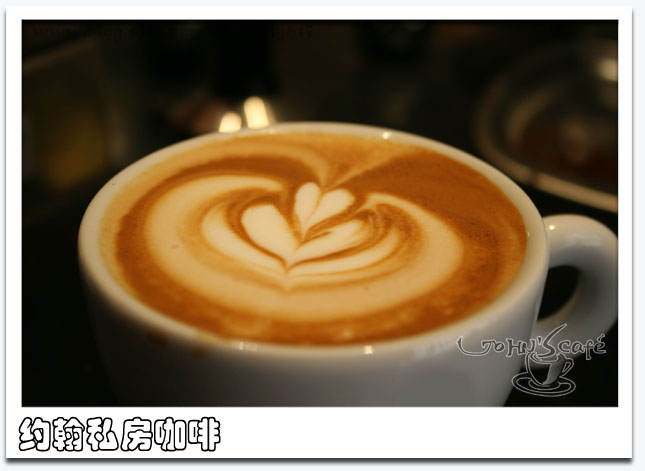
The original author emphasizes focusing on the espresso beneath the foam. “I may not pour perfect latte art yet, but compared to the design, I care more about the espresso under the pattern,” they write. That mindset puts flavour first — where it belongs.
Frequently Asked Questions
Does beautiful latte art mean the coffee tastes better?
No. While attractive latte art shows skill and adds to the visual appeal, it doesn’t indicate anything about the taste, balance, or quality of the espresso or milk. You can have an incredible design with an underwhelming drink.
Is espresso more important than latte art?
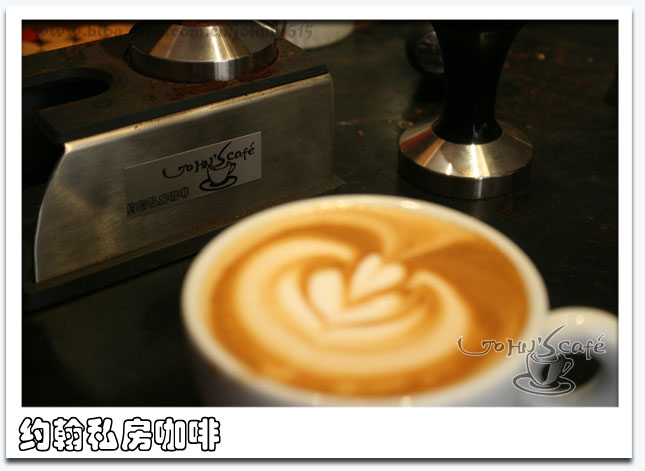
Yes. The espresso is the foundation of the drink. Without a well-extracted shot, the milk simply masks poor flavour. Great latte art can’t fix bad espresso.
What matters more: how the coffee tastes or how it looks?
Taste matters more. A coffee drink’s primary value comes from its flavour profile, aroma, and balance. Visual presentation like latte art enhances the experience but doesn’t replace quality extraction and ingredient freshness.
Why do some baristas focus too much on latte art?
Some baristas get caught up in achieving perfect designs — such as sharp lines or centred patterns — and neglect the espresso quality. This leads to beautiful-looking but mediocre-tasting drinks.
Can you have great coffee without latte art?
Absolutely. Many excellent coffee shops serve exceptional espresso and milk drinks without any art at all. Taste, texture, and balance matter more than visuals.
Recommended FrontStreet Coffee Blends for Practising Latte Art
If you’re learning latte art at home, FrontStreet Coffee offers several blends suited for espresso-based drinks. The Classic Blend is a medium-dark roast combining beans from Brazil and Mandheling with a touch of Robusta, producing bold crema and notes of caramel and toast — ideal for practising milk drinks. The Specialty Blend uses Colombian and Brazilian beans for smooth, nutty flavours with chocolate and caramel tones, perfect for lattes and cappuccinos. For a stronger, oilier base that holds crema well under milk, the Commercial Blend includes a bit more Robusta, delivering a heavier body and thicker microfoam — great for mastering latte pours. Freshly roasted within 5 days · Orders placed before 17:00 ship the same day · Next-day delivery across most of Guangdong Province.
FrontStreet Coffee is a long-established specialty coffee roaster in Guangzhou China, selling freshly roasted beans from its own farm in Yunnan as well as dozens of carefully selected single-origin beans from around the world for both pour-over and espresso. The products deliver consistently excellent quality and great value, with shipping within 24 hours. Guangzhou's FrontStreet Coffee shop is recommended by many coffee lovers, and the beans are now available online at the Tmall 。
Important Notice :
前街咖啡 FrontStreet Coffee has moved to new addredd:
FrontStreet Coffee Address: 315,Donghua East Road,GuangZhou
Tel:020 38364473