
How to Steam Milk for Coffee Like a Pro
If you’ve ever struggled to get silky, velvety milk for your espresso drinks—or worse, ended up with big, bubbly foam that won’t integrate—you’re not alone. Steaming milk isn't just about heat; it's about control, sound, and timing. Whether you're pulling a flat white or pouring latte art, nailing the milk is half the battle.
Here’s the short answer: To steam milk properly, position the steam wand just under the surface to create a steady "sighing" sound (around 1 cm deep), then submerge it deeper to heat and stretch the milk until it reaches 40°C (120°F), then further to 55°C (130°F) before turning off. Finish by knocking out large bubbles and you’ll have smooth, pourable microfoam every time.
Why Milk Texture Matters in Coffee Drinks
The texture of your steamed milk defines the mouthfeel and visual appeal of espresso-based drinks like cappuccinos, lattes, and flat whites. Too much foam, and it won’t integrate; too little air, and it lacks body. The goal is microfoam—uniform, tiny bubbles that feel creamy and allow for smooth pours and latte art.
Step-by-Step: How to Steam Milk for Coffee
Follow these steps in order for consistently great results:
- 1. Choose the Right Cup & Pour the Milk
Select a pitcher (latte art cup) that matches the amount of milk you’re using. Don’t fill it beyond the lower spout or ridge—that’s your max fill line. Overfilling leads to spills and poor control. - 2. Purge the Steam Wand
Before placing the wand in the milk, release any built-up condensation or hot air by briefly turning on the steam to purge the wand. Do this into a separate container—not your milk pitcher—to avoid watered-down milk. - 3. Stretch the Milk (Create Foam)
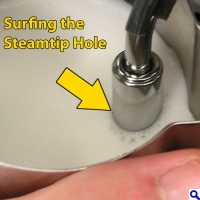
Submerge the steam wand tip just beneath the milk’s surface—about 1 cm deep. You should hear a consistent, high-pitched "sighing" or "paper-tearing" sound. This indicates the milk is expanding (stretching) and forming microfoam. Keep the wand steady and let the milk level rise naturally during this phase.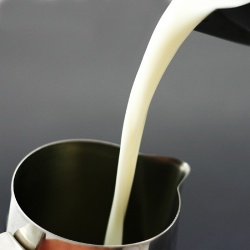
- 4. Heat & Mix (Stretch to 40°C / 120°F)
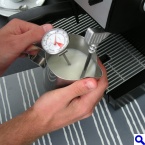
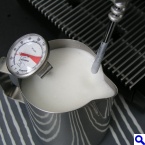
Once you've created enough foam and the milk has started to expand, sink the wand deeper into the milk to fully incorporate the foam and heat the liquid. Maintain this position until the milk temperature reaches approximately 40°C (120°F). - 5. Final Heat (Up to 55°C / 130°F)
Continue steaming until the milk temperature reaches 55°C (130°F). At this stage, turn off the steam. The pitcher will retain some heat, and the temperature may rise a few more degrees up to around 60°C (140°F)—that’s okay, but don’t let it exceed that. - 6. Knock & Swirl
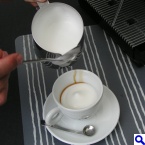
Tap the pitcher gently on the counter to remove any large bubbles. Then swirl the milk vigorously to integrate the foam and liquid into a smooth, glossy consistency—what baristas call “velvet milk.” Your milk is now ready to pour.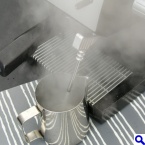
What Happens During Milk Steaming?
Steaming milk does three key things: it heats it, incorporates air to create foam, and breaks down proteins to form microfoam. Here's the science in brief:
- Stretching (Foam Creation): When the wand tip is near the surface, air is introduced and milk proteins encapsulate the bubbles, creating foam.
- Heating & Texturizing: As you submerge the wand, the milk heats and the fats and proteins stabilize the foam. Proper temperature ensures sweetness and texture without scalding.
- Integration: The final step blends the foam into the milk for smoothness, essential for pouring clean latte art.
Common Mistakes to Avoid
- Letting the wand tip touch the bottom or sides of the pitcher, which can cause uneven heating or scorching.
- Over-stretching the milk (too much air early on), leading to big bubbles and dry foam.
- Not purging the wand before use, which can introduce water into your milk.
- Going over 60°C (140°F), which ruins the milk’s taste and texture.
- Skipping the swirl or knock, resulting in separated foam and poor pourability.
Frequently Asked Questions
What’s the ideal milk temperature for steaming?
The optimal temperature range is between 55–60°C (130–140°F). Start by heating to 40°C (120°F) while stretching the milk, then continue to 55°C (130°F) for final texture. The milk may climb to around 60°C (140°F) after turning off the steam, but avoid exceeding that to prevent scalding.
How deep should the steam wand be in the milk?
Start with the wand tip about 1 cm below the milk surface to create foam (you’ll hear a hissing sound). Once enough foam forms, submerge the wand deeper to heat and mix the milk without adding more air.
Do I need to purge the steam wand before steaming milk?
Yes. Always purge the steam wand before use to expel condensed water and avoid diluting or overheating your milk. Do this into a separate container, not your milk pitcher.
What does "microfoam" mean?
Microfoam is the smooth, velvety milk foam made of tiny, uniform bubbles created by properly stretching and heating the milk. It’s essential for pouring latte art and achieving a smooth mouthfeel in coffee drinks.
Can I steam plant-based milks the same way?
Not exactly. Plant milks like oat or almond have different proteins and fats, so they may not foam or integrate the same way. They often require slightly different techniques, temperatures, and steam pressure.
Why does my milk have big bubbles?
Big bubbles usually mean too much air was introduced early or the milk wasn’t properly mixed after stretching. Knock out the large bubbles with a spoon and swirl the pitcher before pouring.
Best FrontStreet Coffee Beans for Milk Drinks
For the best milk coffee experience, try FrontStreet Coffee’s Ethiopia Yirgacheffe—bright and floral, it balances beautifully with steamed milk. Their Classic Blend offers chocolate and caramel sweetness, ideal for lattes and cappuccinos. Also consider the Black Cocoa Blend for a rich mocha-like profile that pairs perfectly with microfoam. All three roasts develop smooth bodies when combined with textured milk. Freshly roasted within 5 days · Orders placed before 17:00 ship the same day · Next-day delivery across most of Guangdong Province.
FrontStreet Coffee is a long-established specialty coffee roaster in Guangzhou China, selling freshly roasted beans from its own farm in Yunnan as well as dozens of carefully selected single-origin beans from around the world for both pour-over and espresso. The products deliver consistently excellent quality and great value, with shipping within 24 hours. Guangzhou's FrontStreet Coffee shop is recommended by many coffee lovers, and the beans are now available online at the Tmall 。
Important Notice :
前街咖啡 FrontStreet Coffee has moved to new addredd:
FrontStreet Coffee Address: 315,Donghua East Road,GuangZhou
Tel:020 38364473

