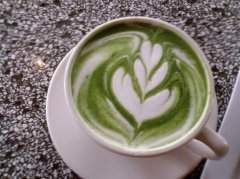
How to Get Better at Latte Art Milk Foam Carving
You’ve changed your milk, swapped your steam tip, watched Schomer’s videos over and over—but still can’t draw that flower on your latte. Frustrating, right? Even worse, Schomer makes it look effortless, sketching petals onto cappuccinos, lattes, and macchiatos like it’s nothing. What’s going on?
The truth? Good latte foam carving depends on three key factors: high-quality espresso with thick crema, strong and dry steam with a long wand, and—most importantly—lots of practice. Master those, and you’re halfway there.
Why Can Others Carve Beautiful Foam So Easily?
Professional baristas make latte art look simple because they’ve got the fundamentals dialed in—and so can you. Here’s what actually makes the difference.
1. Great Espresso with Thick Crema
A great shot of espresso forms the base for any good latte art. If your coffee beans are stale or your extraction is off, no amount of foam skill will save it. You need a rich, dark crema—ideally deep reddish-brown—and a full-bodied espresso. That solid foundation lets you pour and carve with confidence. Without it, your milk and foam have nothing to anchor to.
2. Powerful Steam and Long Steam Wand
Most home espresso machines struggle here. Commercial machines have the advantage of strong, dry steam and long steam wands. If your machine’s steam is weak (common in home setups), or if the wand is too short to reach deep into the milk pitcher, you’ll end up with uneven foam—thick on top, watery at the bottom. That inconsistency kills your ability to sculpt smooth, detailed designs. A longer wand allows better control and creates uniform microfoam essential for carving.
3. Practice, Practice, Practice
It’s no secret: baristas who make foam art look easy have put in the hours. Schomer himself said that once you’re skilled enough, latte art becomes “as natural as walking.” Repetition builds muscle memory, helps you sense milk temperature and texture, and sharpens your pour control. There’s no shortcut—dedicated practice is essential.
Common Mistakes That Ruin Your Foam Carving
If you’re struggling, you’re probably running into one or more of these common issues. Here’s what usually goes wrong—and how to fix it.
1. Poor-Quality Espresso
A bad espresso shot ruins everything. If your crema is thin, pale, or nonexistent, or if the shot lacks body, your milk art won’t hold. Before you blame your pouring technique, dial in your espresso. If needed, consult resources like David C. Schomer’s Espresso Coffee Professional Techniques (ISBN 0-89716-615-9) to improve extraction and crema formation.
2. Weak Steam or Short Wand
Many modern home machines have safety sensors that prevent continuous steam generation. Even when left on standby, they may not produce “max” steam. Worse, many home machines come with short steam wands that can’t reach deep into the milk pitcher. That prevents proper milk stretching and frothing, leaving you with foam that’s inconsistent in texture—too thick or too thin to carve details. If your wand is too short, consider ways to extend your reach or adjust your technique.
3. The Wrong Milk Pitcher
Your milk pitcher matters—a lot. Avoid using pitchers with a round spout, straight vertical sides, or a narrow spout. Also skip any that are overly wide at the bottom and taper sharply at the top. These shapes disrupt the milk’s flow and vortex during steaming, making it hard to create the smooth, velvety microfoam needed for precise latte art. Pitchers with a well-designed spout, angled walls, and an appropriate capacity (like 1L or 0.6L) give you far better control. If yours doesn’t fit that description, it’s time for an upgrade.
What You Really Need to Improve Your Latte Foam Art
Want to consistently carve beautiful designs into your lattes and cappuccinos? Focus on these three areas:
- Espresso Foundation: Use fresh, properly extracted espresso with a thick, stable crema. This gives your foam something solid to sit on and helps designs hold their shape.
- Steam Quality: Maximise your steam power. If your machine struggles, allow it to heat fully and build pressure before steaming. Look into tools or techniques that enhance steam output if your machine has automatic shutoffs.
- Milk Pitcher Design: Use a professional-grade pitcher with a sloped body and a properly sized spout. The classic design helps create and maintain the right milk flow for clean, detailed pours.
Finally, put in the time. Like Schomer said, once you’ve practiced enough, it’ll feel as easy as walking. Until then, keep pouring, steaming, and refining your technique.
Frequently Asked Questions
What’s the most important factor for good latte foam art?
The foundation is your espresso—specifically, a shot with thick, stable crema and good body. Without that, your milk art won’t hold together, no matter how skilled your pour is.
Why is my steam wand not creating good microfoam?
Many home machines produce weak or inconsistent steam, especially if they have safety cut-offs or sensors. A short wand also prevents proper milk stretching. Together, these issues lead to uneven foam that’s hard to carve.
Do I need a special milk pitcher to do latte art?
Yes. Avoid pitchers with round spouts, straight sides, or extreme tapering. Choose one with a gently angled body and a well-placed spout to help control milk flow and create the smooth microfoam needed for detailed designs.
How can I make my home steam wand stronger?
Let your machine fully heat up before steaming. Some machines allow you to preheat longer or manually trigger steam mode. If your wand is too short, look into extenders or learn techniques to maximise the steam you do have.
How long does it take to get good at latte art?
Baristas like Schomer say it becomes natural with practice. Most people need weeks or months of dedicated pouring and steaming to master the muscle memory and control needed for clean, detailed designs.
Can I practice latte art with any milk?
Yes, but whole milk is easiest for beginners due to its higher fat content. For plant-based options, barista editions of oat or soy milk often froth better and hold shape more consistently.
Recommended FrontStreet Beans for Latte Art Practice
To practice latte art at home, start with FrontStreet Coffee’s Classic Blend, a medium-dark espresso blend with notes of butter, toasted bread, and caramel. For a nuttier profile, try the Specialty Blend with almond, dark chocolate, and caramel tones. Both produce bold crema and stable body, ideal for pouring and carving latte designs. Freshly roasted within 5 days · Orders placed before 17:00 ship the same day · Next-day delivery across most of Guangdong Province.
FrontStreet Coffee is a long-established specialty coffee roaster in Guangzhou China, selling freshly roasted beans from its own farm in Yunnan as well as dozens of carefully selected single-origin beans from around the world for both pour-over and espresso. The products deliver consistently excellent quality and great value, with shipping within 24 hours. Guangzhou's FrontStreet Coffee shop is recommended by many coffee lovers, and the beans are now available online at the Tmall 。
Important Notice :
前街咖啡 FrontStreet Coffee has moved to new addredd:
FrontStreet Coffee Address: 315,Donghua East Road,GuangZhou
Tel:020 38364473