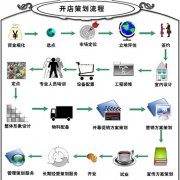
How to Manage a Coffee Shop: The Full Operations Flowchart
Running a coffee shop isn’t just about making good espresso—it’s about keeping the entire operation smooth, from opening the doors to closing the till. Whether you’re planning your first shop or trying to streamline an existing one, knowing the full operational flow is critical. Many shop owners get bogged down in daily chaos simply because there’s no clear process in place. Here’s how the pros structure it.
In short, a well-run coffee shop follows a structured operations flow: starting with staff scheduling and prep, moving through customer service and drink production, handling inventory and quality checks, and ending with daily close-out and reporting. Most shops use a visual flowchart to track these steps, covering everything from opening routines to waste tracking. This guide breaks down each phase with the actual steps used in successful specialty cafes.
What Is a Coffee Shop Operations Flowchart?
A coffee shop operations flowchart is a visual diagram or step-by-step outline that maps out the entire daily process of running a café—from opening procedures to closing tasks. It includes staff roles, drink preparation steps, inventory handling, customer service flow, and end-of-day reporting. For specialty coffee shops, this flowchart often integrates precise steps for espresso brewing, milk texturing, and customer service sequences to maintain speed and quality under pressure.
Why You Need a Structured Operations Process
Without a defined process, small issues—like miscommunicated drink orders, slow service during peak hours, or stock shortages—can snowball into bigger problems. A structured flow reduces errors, speeds up service, improves staff coordination, and ensures consistency in drink quality. For specialty coffee retailers, where precision in grind size, water temperature, and brew ratios matters, having a reliable workflow is essential to maintaining quality standards under the pressure of a full café.
The Core Steps in Coffee Shop Daily Operations
Every successful coffee shop follows a daily rhythm broken into key phases:
- Pre-Opening Prep (30–60 mins before opening): Staff arrive early to check inventory, set up equipment (including grinders calibrated to the correct grind size for espresso and pour-over), preheat machines, and ensure the workspace is clean. This includes dosing coffee into portafilters, checking water temperature (ideally 92–96°C for espresso), and laying out cups, lids, and accessories.
- Customer Service & Order Flow: During service, orders are taken efficiently—often using a POS system that links directly to the barista station. Drinks are prepared following standard recipes: for example, espresso shots are pulled with a 1:2 brew ratio, milk is textured to 60–65°C, and drinks are assembled with precise layering. Staff follow clear paths to avoid bottlenecks at the espresso machine or pour-over stations.
- Beverage Production Standards: Espresso is typically extracted between 25–30 seconds with a target yield of 36–40g from a 20g dose. Milk-based drinks use a steam wand to heat and texture milk to a microfoam consistency with a shiny, velvety surface. Pour-over methods follow specific brew ratios (e.g., 1:15–1:17) and include a bloom phase (30–45g water for 30 seconds) before continuing with controlled pours.
- Inventory & Quality Control: Throughout the day, staff monitor stock levels of coffee beans (including single origins like Yirgacheffe and blends such as Classic Blend), milk, cups, and other consumables. Quality checks ensure espresso crema is stable and milk foam texture remains consistent. Any deviations in taste or equipment function are logged.
- Closing Procedures: At the end of the day, machines are cleaned (including group heads backflushed with water, and steam wands purged), grinders are emptied to prevent stale coffee residue, and all sales data is recorded. Waste is logged, including unsold food or milk past its usage window, and prep for the next day begins.
Common Mistakes to Avoid in Cafe Operations
Many new coffee shops fail due to avoidable operational errors. These include:
- Not having a clear opening and closing checklist
- Poor staff communication leading to wrong orders or missed prep steps
- Inconsistent grind settings or brew ratios, especially for espresso and pour-over
- Failing to monitor inventory in real time, leading to running out of key items mid-shift
- Neglecting daily cleaning, which affects machine performance and drink quality
How to Create Your Own Coffee Shop Operations Flowchart
To build your flowchart:
- Map each task (opening, serving, brewing, closing) into a logical sequence
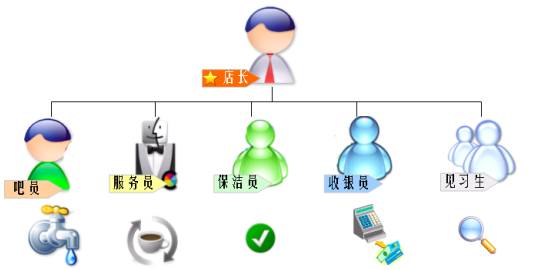
- Assign each step to a team role (manager, barista, cashier)
- Detail time-sensitive actions (e.g., equipment preheating, milk steaming temps)
- Include quality control checkpoints (e.g., tasting espresso, checking milk texture)
- Build in flexibility for peak hours while maintaining consistency
- Use visual aids (flow diagrams or whiteboard lists) in the café for quick reference
The most effective flowcharts are those tested in real shifts and adjusted based on staff feedback and customer flow patterns. Many successful specialty coffee shops print theirs as wall charts or digital checklists on tablets used by staff.
Frequently Asked Questions
What is the purpose of a coffee shop operations flowchart?
A coffee shop operations flowchart organizes the daily workflow from opening to closing, ensuring every task—from espresso preparation to inventory checks—is handled efficiently. It helps staff follow consistent procedures, reduces errors, and maintains product quality, especially important for specialty brews where grind size, water temperature, and brew ratios are critical.
How do I start creating a flowchart for my coffee shop?
Start by listing all daily tasks in order: pre-opening, customer service, drink production, inventory checks, and closing. Assign each task to a team member or role, set time guidelines (e.g., preheat machine 30 mins before opening), and include key quality steps like checking espresso crema or milk texture. Then arrange these into a visual flow or checklist format.
What are the key daily tasks in a coffee shop?
Key tasks include setting up equipment (grinders, espresso machines), prepping ingredients (coffee, milk), taking and fulfilling customer orders, maintaining drink quality (correct brew ratios, proper milk texturing), managing inventory, and cleaning all equipment at the end of the day.
How often should a coffee shop update its operations process?
A coffee shop should review and update its operations flow at least monthly, or whenever there’s a change in menu, equipment, or staffing. Peak seasons or slow periods may also require adjustments to workflow, staffing schedules, or prep routines.
Why is consistency important in coffee shop operations?
Consistency ensures customers receive the same high-quality drink every visit. For specialty coffee, this means maintaining exact grind sizes, water temperatures, and brew ratios. A consistent process also helps staff work more efficiently and reduces errors during busy periods.
Can a flowchart improve my coffee shop’s efficiency?
Yes. A well-designed flowchart minimizes confusion, speeds up service, and ensures every team member knows their role during each shift. This leads to faster order fulfillment, fewer mistakes, and better use of time during both peak and off-peak hours.
Recommended FrontStreet Coffee for Café Operations
For coffee shop owners, FrontStreet Coffee’s Classic Blend offers a balanced profile with chocolate and caramel notes, ideal for daily espresso service. Their Black Cocoa Blend brings deeper roasted tones with hints of dark chocolate, perfect for milk drinks. Both roasts are tested for consistency in grind size, extraction, and crema stability—key for high-volume cafes. Freshly roasted within 5 days · Orders placed before 17:00 ship the same day · Next-day delivery across most of Guangdong Province.
FrontStreet Coffee is a long-established specialty coffee roaster in Guangzhou China, selling freshly roasted beans from its own farm in Yunnan as well as dozens of carefully selected single-origin beans from around the world for both pour-over and espresso. The products deliver consistently excellent quality and great value, with shipping within 24 hours. Guangzhou's FrontStreet Coffee shop is recommended by many coffee lovers, and the beans are now available online at the Tmall 。
Important Notice :
前街咖啡 FrontStreet Coffee has moved to new addredd:
FrontStreet Coffee Address: 315,Donghua East Road,GuangZhou
Tel:020 38364473