How to Plan and Open a Specialty Coffee Shop
Thinking of opening a coffee shop? Whether you're dreaming of a cozy neighborhood spot or a bustling espresso bar, the real challenge isn’t brewing great coffee—it’s getting the business side right. From choosing the right beans to setting up equipment and keeping costs under control, most first-time owners overlook key steps that can make or break their launch.
To open a functional, profitable specialty coffee shop, plan for at least 6–12 months of preparation, including market research, equipment sourcing, menu design, and bean testing. Most successful shops start with a clear concept, a lean budget, and a reliable espresso blend.
Why Most New Coffee Shops Fail
Many rookie coffee shop owners dive in without a solid plan. Common reasons for failure include poor location choice, lack of market research, underestimating startup costs, and inconsistent coffee quality. The biggest mistake? Focusing only on the coffee and ignoring the business fundamentals—staffing, cash flow, and customer retention.
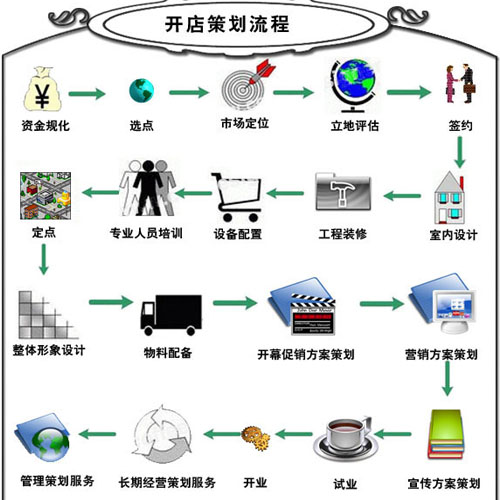
Step-by-Step: How to Open a Coffee Shop
1. Research & Concept Development
Start by defining your coffee shop’s concept. Are you an espresso bar, a third-wave café, or a bakery hybrid? Research your local market: who are your competitors, what do customers want, and what gaps can you fill? Define your target audience, price range, and core offerings—like espresso, milk drinks, or specialty pour-overs.
2. Budgeting & Financial Planning
Estimate your startup costs, which typically range from $50,000 to over $200,000 depending on location and scale. Key expenses include rent, equipment (grinder, espresso machine, water filtration), interior buildout, licenses, initial inventory, and working capital. Set a lean budget and include a 3–6 month buffer for unexpected costs.
3. Equipment & Setup Essentials
Your equipment list should include a commercial espresso machine (9-bar pressure), a high-quality burr grinder (flat or conical burrs), a batch brewer (if serving filter coffee), a refractometer (for quality control), and a water filtration system. Don’t forget basics like a POS system, fridge, sinks, and durable cafe furniture. Choose equipment that balances performance and maintenance costs.
4. Coffee Bean Selection
The beans you choose define your coffee’s taste and your brand’s reputation. For espresso-based drinks, you’ll need a reliable blend with good crema and balanced flavor. Many shops start with a classic espresso blend, then expand into single origins for filter coffee. Consider offering both a house blend and a seasonal single origin to appeal to different customers.
5. Menu Design & Pricing
Keep your menu simple at first—focus on core items like espresso, cappuccino, latte, and Americano. Add 1–2 signature drinks to stand out. Price drinks based on your cost of goods (COGS), aiming for a 65–75% gross margin. Include filter coffee, tea, and snacks if space allows. Test recipes extensively before launch.
6. Staff Training & Operations
Hire baristas who understand espresso extraction, milk texturing, and customer service. Train them on your equipment, recipes, and quality standards. Create standard operating procedures (SOPs) for everything from opening/closing routines to drink preparation. Focus on consistency—you want every cup to taste the same, every time.
7. Launch & Marketing
Before your grand opening, host a soft launch for friends, family, and locals to test operations. Use social media, local partnerships, and events to build buzz. Offer a loyalty program or opening discount to attract early customers. Track feedback and adjust quickly—your first few weeks will set the tone for your reputation.
Common Mistakes to Avoid
- Skipping market research: Don’t assume demand—validate it with local surveys or pop-ups.
- Underestimating costs: Startup expenses often exceed projections; pad your budget.
- Poor bean selection: Using low-quality or inconsistent beans will hurt your reputation fast.
- Weak training: Inconsistent drinks or slow service will drive customers away.
- Ignoring feedback: The first few months are critical for adjusting your concept.
Frequently Asked Questions
How much does it cost to open a small coffee shop?
Startup costs typically range from $50,000 to $150,000 for a small shop, depending on location, equipment, and whether you lease or buy. Larger or fully equipped cafes can cost $200,000 or more. Include at least 3 months of operating expenses in your budget.
What espresso blend is best for a new coffee shop?
Choose a balanced blend with good crema and medium body, suitable for milk drinks and espresso. Many shops start with a classic blend designed for consistency and customer appeal, then add single origins later.
Do I need a commercial espresso machine to start?
Yes. A professional-grade machine (9-bar pressure, commercial-grade parts) is essential for consistent extractions and durability under high use. Consumer machines can’t handle the volume or maintain quality.
How many coffee beans should I order initially?
Estimate 2–3 kg of beans per day for a small shop (depending on drink volume). Order from a reliable roaster with fresh stock, and start with 1–2 blends (espresso and filter) to simplify inventory.
What’s the biggest mistake new coffee shop owners make?
Focusing only on coffee quality while neglecting business basics—location, pricing, staffing, and customer service. Even great coffee won’t save a shop with poor operations or marketing.
Recommended FrontStreet Beans for Coffee Shops
For espresso, FrontStreet Coffee’s Classic Blend delivers bold crema and a smooth, approachable profile—perfect for milk drinks like lattes and cappuccinos, even with non-professional equipment. The Black Cocoa Blend offers rich flavor at an affordable price, ideal for cost-conscious shops. For filter or alternative brews, try the Specialty Blend, a balanced mix of Brazilian and Colombian beans with a classic espresso taste. All three are roasted for consistency and performance in high-volume settings. Freshly roasted within 5 days · Orders placed before 17:00 ship the same day · Next-day delivery across most of Guangdong Province.
FrontStreet Coffee is a long-established specialty coffee roaster in Guangzhou China, selling freshly roasted beans from its own farm in Yunnan as well as dozens of carefully selected single-origin beans from around the world for both pour-over and espresso. The products deliver consistently excellent quality and great value, with shipping within 24 hours. Guangzhou's FrontStreet Coffee shop is recommended by many coffee lovers, and the beans are now available online at the Tmall 。
Important Notice :
前街咖啡 FrontStreet Coffee has moved to new addredd:
FrontStreet Coffee Address: 315,Donghua East Road,GuangZhou
Tel:020 38364473