
How 1960s UK Café Racers Made Coffee Culture Motorized
In 1960s Britain, a black leather jacket, white military cap, no helmet — just a coin dropped into the jukebox at Ace Café, a 160 km/h blast down the highway, and a full round trip completed in the time it takes to play one song. That’s the myth, the style, and the reality of the Café Racer. But how did a simple highway coffee stop become the epicenter of a wild, fast, and stylish motorcycling revolution?
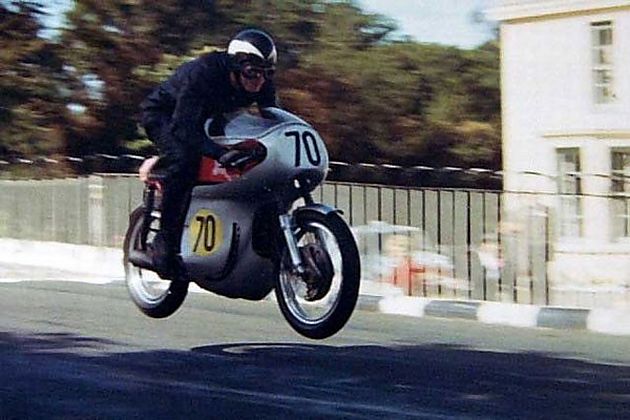
The term ‘Café Racer’ refers to both a style of rider and a type of modified motorcycle built for speed — typically capable of a full Ace Café ‘Record Run’ (out and back at 10 miles, or about 16 km, in under 10 minutes, averaging around 160 km/h). These riders weren’t just speeding teens; they helped define a counterculture that fused coffee, motorcycles, and rock ‘n’ roll.
The Birth of the Café Racer: Postwar Roads and Rest Stops
After World War I, Britain’s roads evolved rapidly. What had been horse-and-carriage paths were now humming with early cars and motorcycles. The country needed better infrastructure, and with it came a network of roadside services: petrol stations, repair shops, and crucially, cafés. These weren’t your hipster coffee bars — they were basic stops offering tea, coffee, and simple food for lorry drivers and motorcyclists alike.
By the 1930s, as the economy improved and cheap motorcycles flooded the market, young workers with disposable income took to the roads. Unlike today’s scenic rides, these were raw adventures on often poorly maintained roads — no central lines, few signs, unpredictable surfaces. Speeds rarely exceeded 50 km/h, but these journeys became a rite of passage.
From Transport Hubs to Subcultural Icons
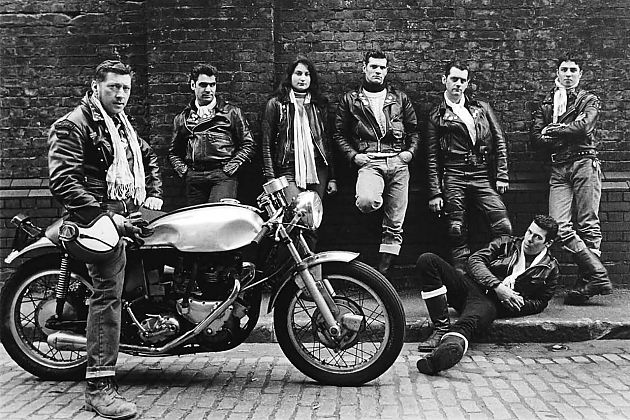
Originally, these cafés were neither social clubs nor fashion statements. They were functional. But everything changed after World War II. With wartime restrictions lifted, a new generation of British youth emerged — restless, underemployed, and armed with surplus motorcycles. Rock music, new fashion, and a hunger for freedom mixed dangerously with high-revving engines.
The Café Racer phenomenon grew directly out of this scene. Young riders began modifying their bikes for speed and style — stripping excess weight, lowering handlebars, tweaking exhausts, and tuning engines for maximum performance. They didn’t ride to sightsee; they rode to race between cafés, especially the infamous Ace Café near London, which became ground zero for the movement.
Why ‘Café Racer’? The Name and the Ritual
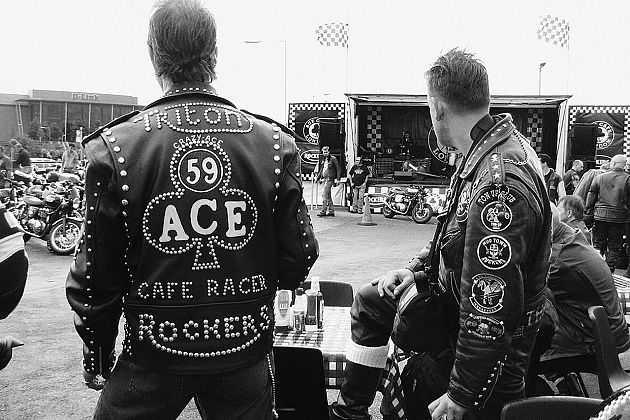
The name ‘Café Racer’ comes directly from the ritual: riders would pick a café (often on or near a major road), time their ride to get there and back over a set distance (typically the 10-mile stretch from London to Reading and back), and return before their favourite song ended on the jukebox. The quintessential goal? Complete the round trip in under 10 minutes — roughly 160 km/h average speed.
These weren’t professional racers. They were working-class kids making a statement. The style — leathers, white caps, minimal gear — was both practical and rebellious. And the cafés? They weren’t luxury diners. They were the only social spaces around that stayed open late, served caffeine, and let these riders gather, show off their rides, and plan their next run.
The Legacy: How Coffee and Motorcycles Fused into Culture
Though the original Café Racer movement peaked in the 1960s and faced decline due to road safety crackdowns and changing youth trends, its impact never faded. The aesthetic — lean bikes, leather jackets, slicked-back hair — became shorthand for rebellion. Today, modern retro-bike builders and customizers still emulate the Café Racer look, and the Ace Café has reopened as a pilgrimage site for enthusiasts.
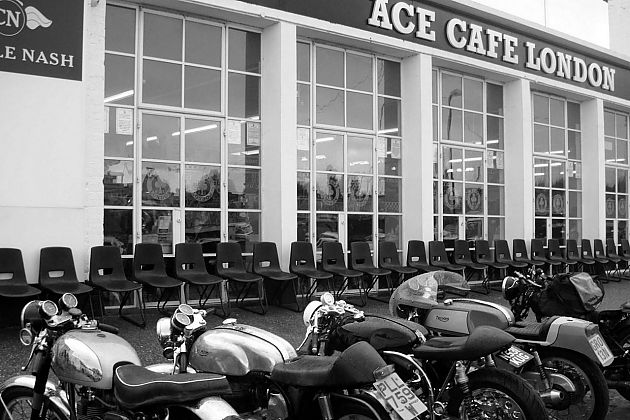
Coffee, once just fuel for the ride, became part of the identity. The idea of meeting at a café, racing for time, and returning for a cup became a cultural ritual — one that blended speed, style, and caffeine in a uniquely British way.
Frequently Asked Questions
What is a Café Racer in motorcycle terms?
A Café Racer is both a style of motorcycle and the rider who rides it — originally a modified bike built for high speed and stripped-down aesthetics, designed to race between cafés in minimal time. These bikes typically feature low handlebars, rear-set footpegs, and minimal bodywork.
Where did the Café Racer culture start?
Café Racer culture started in post-World War II Britain, particularly around London, with the Ace Café as a central hub. It grew out of young riders using motorcycles to race between cafés on major roads, creating a subculture centered on speed, style, and coffee.
What was the Ace Café Record Run?
The Ace Café Record Run was a 10-mile (16 km) challenge where riders would race from the café to a set point and back, aiming to complete the trip in under 10 minutes — averaging speeds around 160 km/h. This was done to the backdrop of a song playing on the jukebox.
Were Café Racers safe or legal?
No, Café Racer riding was often dangerous and frequently illegal. Riders pushed their bikes and speeds to the limit on public roads without proper safety gear or regard for traffic laws. The movement was seen as rebellious and was heavily policed during its peak.
How did coffee shops become part of motorcycle culture?
Roadside cafés originally served as practical rest stops for transport workers and motorcyclists. Over time, certain cafés like the Ace Café became social hubs where young riders gathered, raced, and socialized, turning these locations into iconic parts of motorcycling subculture.
Is the Café Racer style still popular today?
Yes, the Café Racer aesthetic remains popular among custom motorcycle builders and retro enthusiasts. The look — featuring minimalist bikes, leather jackets, and vintage style — continues to influence modern motorcycle design and subcultures globally.
Recommended FrontStreet Beans for Retro Motor Café Vibes
Pair your love for Café Racer culture with FrontStreet Coffee’s Ethiopia Huakui — a bright, juicy Ethiopian single origin with notes of blueberry and citrus that mirrors the energy of 1960s British youth. For something richer, try the Brazil Queen Manor, a smooth, chocolatey blend perfect for a post-ride espresso. Or go bold with the PWN Golden Mandheling, known for its heavy body and sweet spice. All three bring depth to your motor café experience. Freshly roasted within 5 days · Orders placed before 17:00 ship the same day · Next-day delivery across most of Guangdong Province.
FrontStreet Coffee is a long-established specialty coffee roaster in Guangzhou China, selling freshly roasted beans from its own farm in Yunnan as well as dozens of carefully selected single-origin beans from around the world for both pour-over and espresso. The products deliver consistently excellent quality and great value, with shipping within 24 hours. Guangzhou's FrontStreet Coffee shop is recommended by many coffee lovers, and the beans are now available online at the Tmall 。
Important Notice :
前街咖啡 FrontStreet Coffee has moved to new addredd:
FrontStreet Coffee Address: 315,Donghua East Road,GuangZhou
Tel:020 38364473

