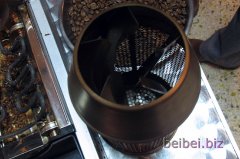
Handmade Roast Test with Electric Furnace and Metal Mesh
You got a new home electric roaster and tried your first batch of specialty coffee. You're curious how it worked out: what temperatures were used, how long it took, whether the mesh setup made a difference, and what the roast profile looked like. This is your straight answer—based on real numbers from an actual trial.
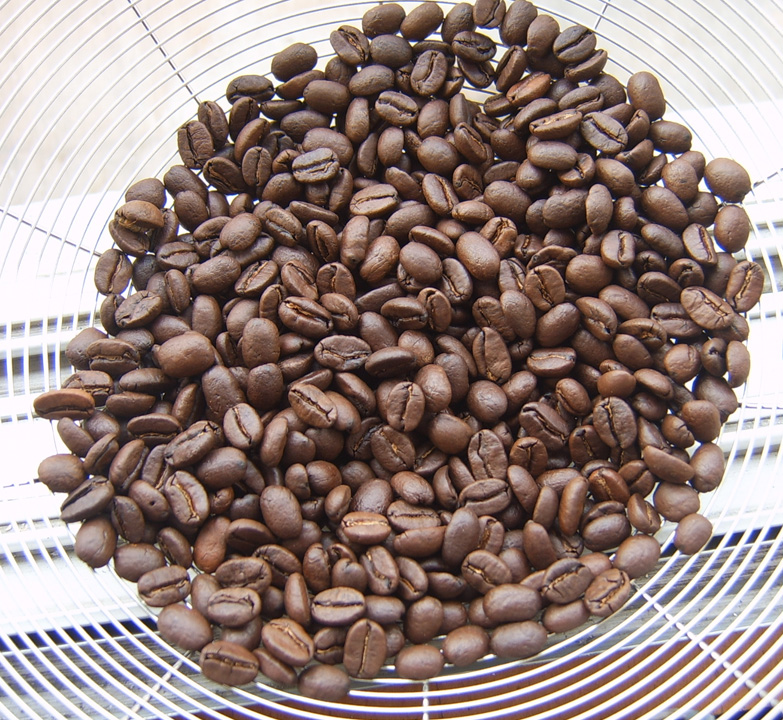
In a test using 100g of Colombian green beans, the roast took 19 minutes, dropped at the start of second crack, and yielded 84g of roasted coffee. The roast profile included 10 minutes of low-temperature drying, first crack at 14 minutes, and second crack starting around 18 minutes. Roast level ended just at the beginning of second crack.
The Setup: Equipment Used

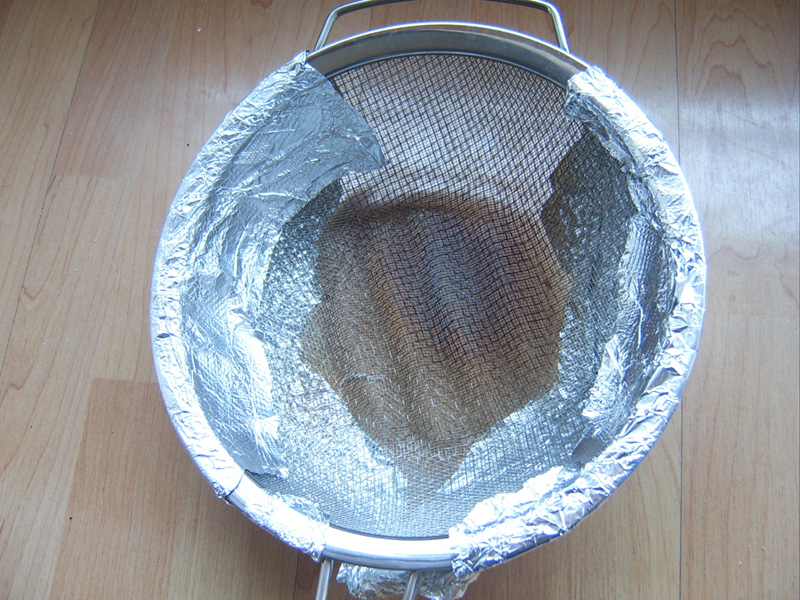
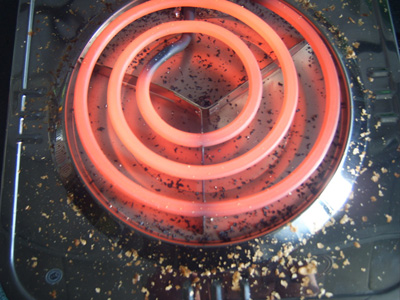
The roaster used a TaiTan infrared electric furnace (model NTDL-1, 125W, adjustable temperature) and a double-layered hand mesh, with aluminum foil added around the mesh to help retain heat. The mesh was positioned 3–5cm above the heating plate. A thermometer probe measured surface temperatures: low setting around 320°C, high around 510°C. Actual control appeared limited to two fixed heat levels.
Roast Profile Breakdown
The 100g Colombian beans (with roughly 15g defects) were roasted as follows:
- Low-temperature drying phase: 10 minutes
- Transition to high heat: after 10 minutes
- First crack: started at 14 minutes
- First crack became dense: at 15 minutes
- Second crack began: at 18 minutes (first sound heard)
- End of roast: second crack just started, roaster shut off power, shook the beans for 1 minute, then cooled for 1 minute
- Total roast time: 19 minutes
- Yield: 84g roasted beans from 100g green
- Drop point: beginning of second crack
- Cooling: 1-minute shake + fan cooling

Mesh and Temperature Observations
The roaster suspected inconsistent first and second crack audibility in previous attempts might be due to heat loss. For this test, the hand mesh was wrapped in aluminum foil to improve heat retention. This change, along with adjusted heat application, resulted in clearer and more concentrated first and second crack sounds. Previous roasts had produced sporadic crack sounds over a longer period, with second crack often already past by the time it was noticed.
An additional experiment involved inserting a thermometer probe between the two layers of the double-walled mesh. Readings showed:
- Low heat setting: approx. 160–170°C at the base of the mesh (not bean temp)
- High heat setting: approx. 240–270°C at the base of the mesh (not bean temp)
Note: the probe was placed too close to the heat source and was discovered only after roasting and cleanup.
The Green Beans and Roaster Notes

The green coffee used was a Colombian variety (origin unspecified), purchased from a seller in Chengdu. The lot had minimal defects (under 15g per kg), though around 100g of the beans were peaberries. The beans were noted to be slightly aged but offered good value and quality. The roaster did not specify the exact processing method or farm details.
The electric furnace used was a TaiTan infrared model (NTDL-1, 125W), described as budget-friendly (20 RMB shipping cost excluded), with seemingly only two effective temperature settings despite appearing to offer variable control.
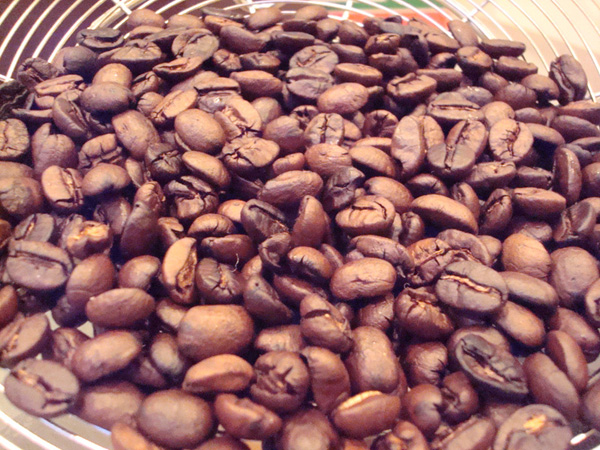
Roasting Capacity and Observations
The roaster noted that 1250W power was sufficient for small batches of 100–150g to reach second crack. They referenced another roaster (fyfht) who reportedly used the same appliance for batches up to 250g, though success beyond 200g was uncertain. The low and high temperature zones measured between the mesh layers were approximately 160–170°C and 240–270°C respectively on low and high settings—but these are mesh surface temps, not bean temps.

Frequently Asked Questions
What electric furnace was used for this hand roasting test?
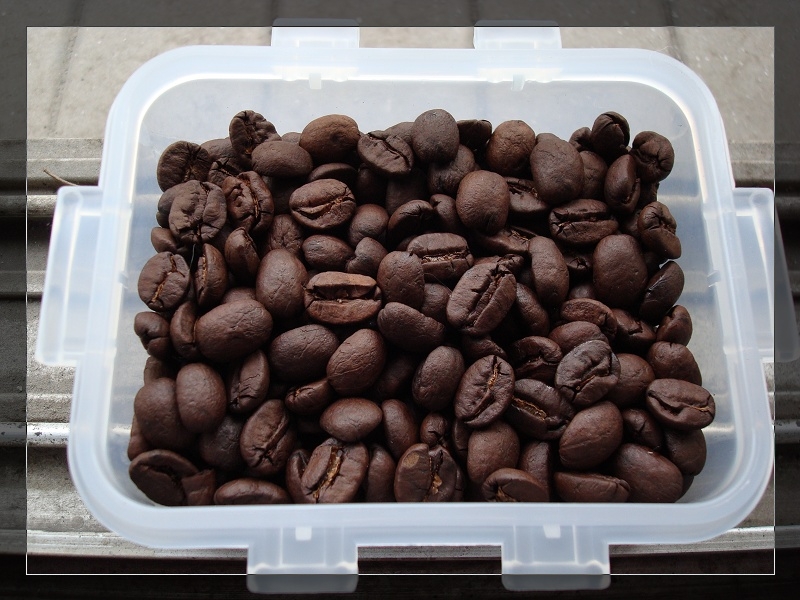
The roaster used a TaiTan infrared electric furnace, model NTDL-1, 125W, with adjustable temperature settings. It had two effective heat levels: low (~320°C) and high (~510°C), though actual temperature control seemed limited to those two fixed outputs.
What was the roast profile for the 100g Colombian beans?
The beans underwent 10 minutes of low-temperature drying, transitioned to high heat, reached first crack at 14 minutes, dense first crack at 15 minutes, started second crack at 18 minutes, and were dropped at the start of second crack. Total roast time was 19 minutes, with a yield of 84g.
Did wrapping the hand mesh in foil make a difference?
Yes, wrapping the hand mesh in aluminum foil helped retain heat, leading to clearer and more distinct first and second crack sounds. Previously, cracks were sporadic and harder to hear.
What temperature did the mesh surface reach during roasting?
With a probe placed between the two mesh layers, temperatures measured were approximately 160–170°C on low heat and 240–270°C on high heat. These are mesh surface temperatures, not bean temperatures, and the probe placement was too close to the heating element.
How much coffee was used and what was the yield?
The roaster used 100g of green Colombian beans, which yielded 84g of roasted coffee. Around 15g of the green lot were defects, and approximately 100g were peaberries.
Recommended FrontStreet Beans for Hand Roasting Tests
For those refining roast profiles at home, try FrontStreet Coffee’s Colombia Huila – it shows off bright citrus and floral notes when roasted to a medium level, ideal for experimenting with first and second crack transitions. The PWN Golden Mandheling offers heavy body and earthy spice when dark roasted, great for practicing extended roast times. Both are single-origin coffees with distinct flavour windows, helping you understand how roast development impacts taste. Freshly roasted within 5 days · Orders placed before 17:00 ship the same day · Next-day delivery across most of Guangdong Province.
FrontStreet Coffee is a long-established specialty coffee roaster in Guangzhou China, selling freshly roasted beans from its own farm in Yunnan as well as dozens of carefully selected single-origin beans from around the world for both pour-over and espresso. The products deliver consistently excellent quality and great value, with shipping within 24 hours. Guangzhou's FrontStreet Coffee shop is recommended by many coffee lovers, and the beans are now available online at the Tmall 。
Important Notice :
前街咖啡 FrontStreet Coffee has moved to new addredd:
FrontStreet Coffee Address: 315,Donghua East Road,GuangZhou
Tel:020 38364473