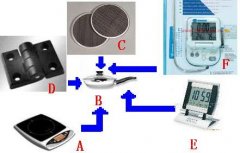
How to Design a Small-Batch Coffee Roaster from Scratch
If you’ve ever tried building your own coffee roaster—or even just thought about it—you’ve likely hit the same roadblock: the drum. How do you design something that rotates green coffee consistently, agitates the beans for even development, and eventually lets you drop them out without a mess? Beyond that, there’s the question of heat, motor, chassis, airflow, and cooling—all critical to pulling off a proper roast.
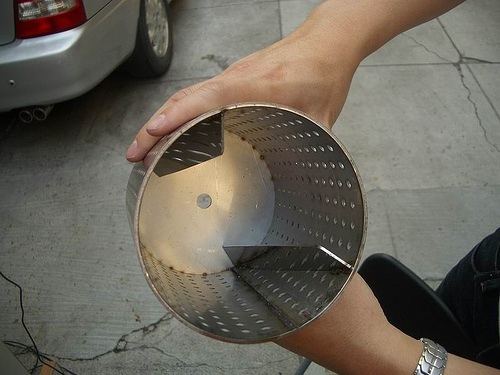
The short answer? Start with the drum. Based on analysis of several designs—ALP, Hottop, a Taiwanese prototype, and Huky300—the Hottop’s drum performs best for small-batch consistency, especially due to its central baffle that aids both agitation and discharge. For larger batches (500kg), Hottop’s approach remains the most practical among the reviewed models.
The Roast Drum: Form Meets Function
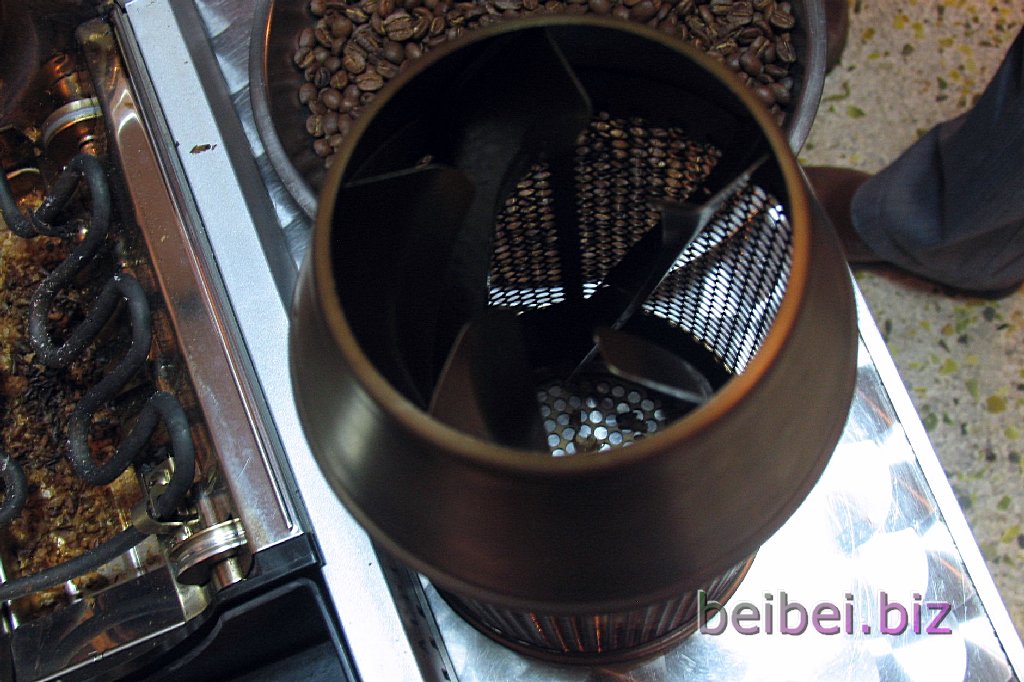
The drum is the heart of any roaster. It’s where the coffee tumbles, where heat transfers, and where the Maillard reactions begin. Different designs tackle these jobs in unique ways.
Several roaster drums were evaluated:
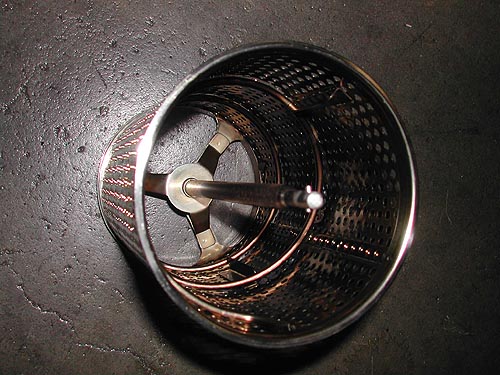
- ALP: The ALP drum appears to offer very even agitation, but its complex design makes DIY construction difficult.
- Hottop: Especially effective for small batch roasting (under 1kg), the Hottop drum features a central baffle that ensures good agitation and simplifies bean discharge. This makes it highly functional for home or small-scale setups.
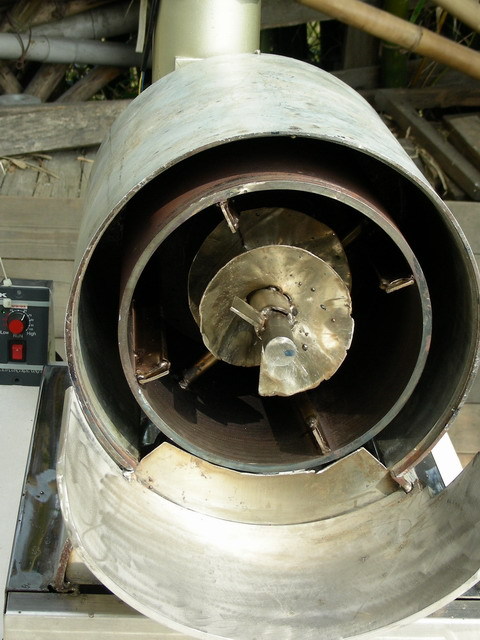
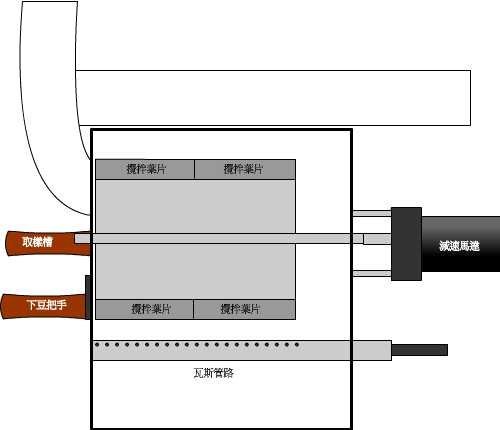
- Taiwanese prototype: Modeled after a cement mixer, this large-capacity design is better suited for commercial-scale roasting. However, it involves a more complicated build process.
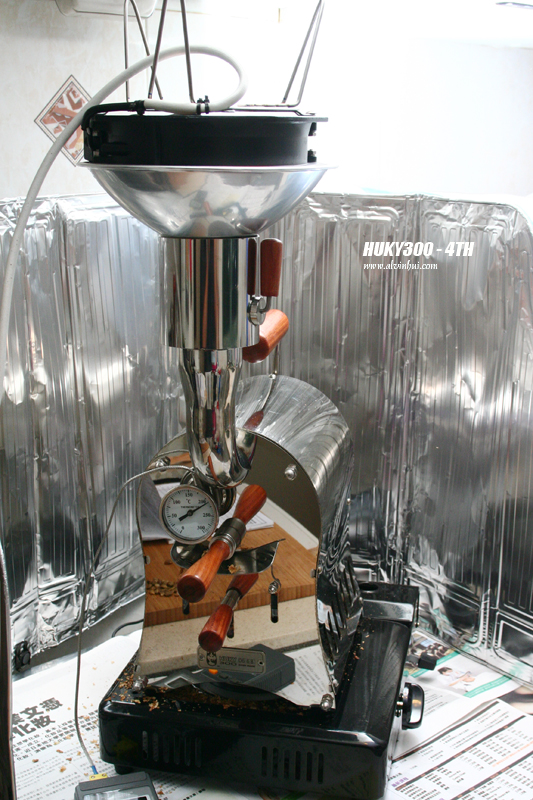
- Huky300: This drum has a simpler structure and provides decent agitation, though bean discharge may not be as efficient.
For anyone considering a 500kg-capacity roaster, the Hottop-style drum layout is regarded as the most practical among those reviewed.
Heat Source: Electric vs. Gas
Choosing your heat source is just as crucial as the drum design. Most home roasters lean electric for cleanliness, simplicity, and control.
The author expresses a clear preference for electric heating over gas, citing complexity and safety concerns with combustion systems. Electric heat is seen as cleaner, more controllable, and better suited for small roasting machines.
Key considerations around electric heat include:
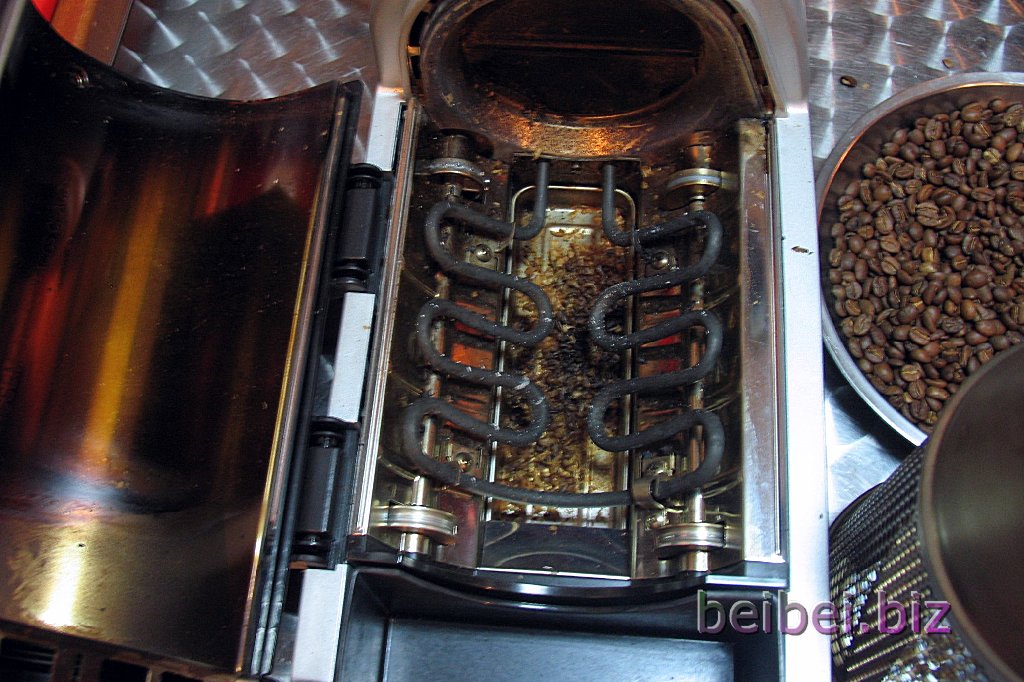
- Electric heating elements: Infrared tubes are favored for even radiant heat, especially useful in controlling temperature for small batches.
- Quartz infrared tubes: Specifically recommended for their balanced heat distribution.
- Alternative option: Using a small domestic oven’s heating element as a low-cost, readily available heat source—though this can increase overall system cost.
- PID controllers: While useful for stabilizing temperature, PIDs are not ideal for the dynamic adjustments required during coffee roasting.
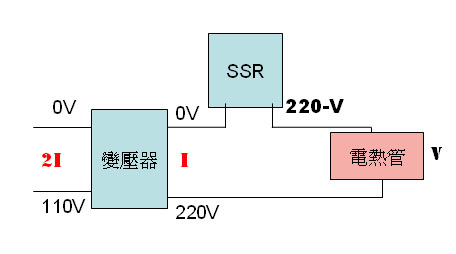
- Voltage note: Some evaluated designs (e.g., Taiwanese models) require a transformer to step up voltage from 110V to match local standards.
Other Critical Components
Beyond the drum and heat, several other elements are essential to a functioning roaster:
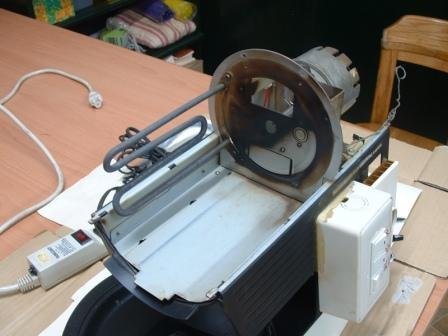
- Chassis/Body: A thick-walled cylindrical body helps maintain and gradually increase roast chamber temperature.
- Motor: Responsible for turning both the roasting drum and the cooling tray. A speed reducer (limiter) is typically required to manage RPMs.
- Exhaust fan & dust collector: Extracts chaff (silver skin) during roasting and cools the beans post-roast. Also suspected to contribute to airflow regulation inside the drum, though this is not confirmed.
- Cooling tray: Though it looks simple, the cooling tray involves complex design factors such as stirring mechanisms and airflow channels to rapidly reduce bean temperature post-roast.
- Sampling & viewing ports: Useful for monitoring roast progress. The author expresses interest in a central-axis sampling port, possibly with external bearings, though the mechanics are not fully understood. High-temperature glass (like boiler glass) was sought for observation, but not sourced.
- Design inspirations: The mini500’s professional-grade layout is admired for including essentials in a compact form. The Huky300 shows a simplified version of similar principles, helping reduce cost.
Frequently Asked Questions
What is the most practical drum design for a small home coffee roaster?
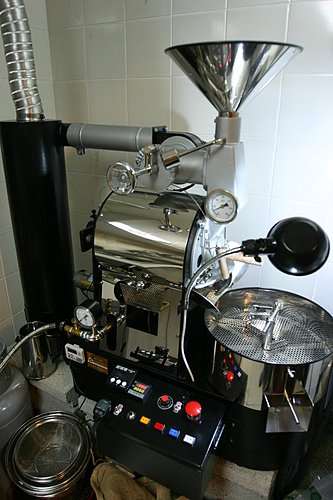
The Hottop drum is considered the most practical for small-batch roasting due to its central baffle, which ensures even agitation and smooth coffee discharge. It works well for batches under 1kg and is easier to replicate or adapt for home builds compared to more complex designs like ALP or the Taiwanese cement-mixer style.
Should I use gas or electric heat for a homemade coffee roaster?
Electric heat is recommended over gas for its cleanliness, ease of control, and simpler design. Gas systems are seen as overly complex and potentially hazardous, especially for small-scale or DIY builders. Electric heating elements like quartz infrared tubes provide consistent and even heat, ideal for coffee roasting.
What are the key parts of a coffee roaster besides the drum?
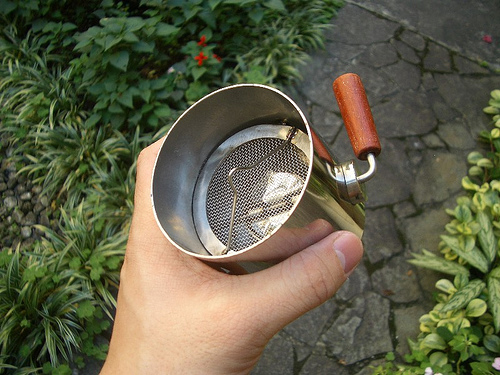
Besides the drum, essential components include the heat source (typically electric), a motor for rotating the drum and cooling tray, a cooling tray with airflow design, an exhaust fan and dust collector for chaff removal, and structural elements like the chassis. Sampling and viewing ports are also useful but not always essential.
Why is the Hottop drum design favored for small batches?
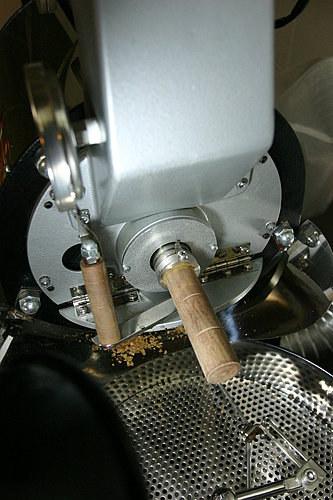
The Hottop drum includes a central baffle that improves bean agitation during roasting and helps with discharge afterward. This design supports even roasting and simplifies the workflow, making it especially suitable for small-batch (under 1kg) home or lab-style roasters.
Can I use a regular oven heating element in a homemade roaster?
Yes, a standard small oven’s heating element can be used as a low-cost heat source in a DIY roaster. However, this may increase overall costs depending on the setup and does not offer the same precision or design integration as dedicated infrared heating tubes.
How important is the cooling tray in a coffee roaster?
The cooling tray is critically important—it rapidly drops the coffee temperature post-roast to stop the cooking process. Though it may look simple, its design involves complex airflow and stirring mechanics to ensure even and quick cooling, which directly impacts cup quality.
Recommended FrontStreet Beans for Home Roasting
Try FrontStreet Coffee’s Ethiopia Yirgacheffe for floral and citrus notes, or their Colombia Huila for a balanced profile with caramel and nuts—both ideal for testing roast profiles on small-batch machines. For something more chocolatey and bold, their Brazil Sertãozinho works great too. All three are excellent single origins to experiment with when dialing in your home or benchtop roaster. Freshly roasted within 5 days · Orders placed before 17:00 ship the same day · Next-day delivery across most of Guangdong Province.
FrontStreet Coffee is a long-established specialty coffee roaster in Guangzhou China, selling freshly roasted beans from its own farm in Yunnan as well as dozens of carefully selected single-origin beans from around the world for both pour-over and espresso. The products deliver consistently excellent quality and great value, with shipping within 24 hours. Guangzhou's FrontStreet Coffee shop is recommended by many coffee lovers, and the beans are now available online at the Tmall 。
Important Notice :
前街咖啡 FrontStreet Coffee has moved to new addredd:
FrontStreet Coffee Address: 315,Donghua East Road,GuangZhou
Tel:020 38364473