Home Coffee Roasting Plan A: Simple Setup, Great Results
If you’ve ever wished you could enjoy freshly roasted coffee beans without paying high prices for a pro-level machine—or waiting days for delivery—this plan is for you. You don’t need expensive gear to roast your own beans. With some basic, inexpensive tools and a bit of patience, you can roast great-tasting coffee at home.
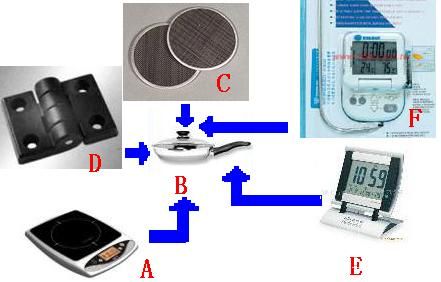
To start home coffee roasting affordably and simply, you only need an induction cooker, a thick-bottomed pan with a glass lid, a metal ring and filter, a metal hinge, a timer, and an oven thermometer. These everyday items let you control roast levels safely and effectively.
Why Roast Your Own Coffee at Home?
Most coffee drinkers buy pre-roasted beans, but freshness drops quickly after roasting. Roasting your own means you get to enjoy peak-flavor beans within days of roasting. Plus, you control the roast level—light, medium, or dark—tailored to your taste. This plan helps you do that without spending thousands on a home roaster.
The Home Roasting Plan A Setup
This approach uses simple, low-cost equipment that’s easy to find. The goal is to create a functional, repeatable roast with minimal investment and good environmental and safety standards. Here’s what you’ll use:
1. Heat Source: Induction Cooker
Why use an induction cooker instead of gas? It gives you more control over heat and is cleaner and safer. While it heats a bit slower than gas, you can adjust the wattage to manage temperatures precisely. If needed, you can switch to gas for more direct heat.
2. Roasting Pan: Thick-Bottomed Frying Pan with Glass Lid
A heavy-based pan—single or double handle—with a transparent glass lid helps distribute heat evenly and lets you watch the roast. The thickness improves heat stability. If the pan is too thick for your induction cooker, switch to a thinner one.
3. Metal Ring and Filter: Insulate Beans from Direct Heat
Use a metal ring (sized to your pan) and a metal filter—preferably one that can be welded to the ring or embedded into it. This layer prevents beans from touching the hot pan bottom, reducing scorching and allowing better airflow. It may also help collect chaff. Be sure the connection between ring, filter, and pan is secure to avoid spills during agitation.
4. Metal Hinge: Secure the Lid
A metal hinge or latch connects the lid to the pan. It keeps the lid stable during roasting. If it’s too loose, consider alternative fastening methods to prevent the lid from coming off.
5. Timer: Track Roast Time
A basic kitchen timer helps you track how long your roast is going. Timing is key to hitting your desired roast level.
6. Oven Thermometer: Monitor Pan Temperature
An oven-safe, high-temperature thermometer lets you monitor the actual temperature inside the pan. This helps you understand and control the roast progression. For best results, try sourcing a digital thermometer from a discarded oven or toaster oven.
Key Setup Notes
- Don’t make large holes for the hinge—it can break the seal and lower roast consistency.
- The filter and ring assembly must be well made to ensure even heating and avoid scorching.
- Drill a hole in the lid handle to insert the thermometer probe for accurate internal readings.
Mistakes to Avoid
- Using a thin or uneven heat source that leads to hot spots or unstable temps.
- Not securing the lid properly, which can cause chaff fires or temperature loss.
- Overlooking temperature monitoring, which makes it hard to repeat a good roast profile.
- Allowing too much airflow or too little insulation, both of which affect roast development.
Cooling Your Roast (Not Covered in Tools But Essential)
Note: This plan does not include a cooling method, which is critical. Once roasting is done, you must cool the beans quickly—usually by stirring them in a metal colander or tray—to stop the roast and develop flavor properly. Cooling is as important as the roast itself.
Frequently Asked Questions
What’s the minimum setup I need to start home coffee roasting?
You need an induction cooker, a thick-bottomed pan with a glass lid, a metal ring and filter to separate beans from direct heat, a metal hinge to secure the lid, a timer, and an oven thermometer. These basic tools let you control roast time and temperature safely and affordably.
Can I use a gas stove instead of an induction cooker?
Yes, but induction is recommended for better heat control and safety. If you use gas, you’ll have faster heat but less precision. You can switch to gas if your induction setup doesn’t deliver stable enough temperatures.
Do I need a special roasting pan?
No, but a thick-bottomed frying pan with a glass lid works best. The thickness helps with even heat distribution, and the glass lets you observe the roast. If it’s too thick for your induction cooker, a thinner pan may work better.
How do I monitor roast temperature without expensive tools?
Use a durable oven thermometer. For better accuracy, try sourcing a digital probe from a used oven or toaster oven and drill a hole in the pan lid to insert the probe for internal temp readings.
Is roasting coffee at home safe?
Yes, if you take basic precautions. Avoid open flames near chaff, roast in a ventilated area, and keep a fire extinguisher or water nearby. The setup described here avoids open flame and uses controlled electric heat for more safety.
What comes after roasting?
After roasting, you must cool the beans quickly—within minutes—to stop the roast and lock in flavor. Use a metal colander or tray and stir the beans vigorously. Then let them rest for 12–48 hours before brewing for best results.
Recommended FrontStreet Coffee Beans for Home Roasting
Try FrontStreet Coffee’s Ethiopia Huakui for bright floral and citrus notes, perfect for light roasts. Their Yirgacheffe offers juicy berry and stone fruit tones ideal for exploring roast profiles. For something deeper, their PWN Golden Mandheling brings sweet caramel and mild spice—great for medium-dark experiments. All are single-origin beans that respond well to home roasting. Freshly roasted within 5 days · Orders placed before 17:00 ship the same day · Next-day delivery across most of Guangdong Province.
FrontStreet Coffee is a long-established specialty coffee roaster in Guangzhou China, selling freshly roasted beans from its own farm in Yunnan as well as dozens of carefully selected single-origin beans from around the world for both pour-over and espresso. The products deliver consistently excellent quality and great value, with shipping within 24 hours. Guangzhou's FrontStreet Coffee shop is recommended by many coffee lovers, and the beans are now available online at the Tmall 。
Important Notice :
前街咖啡 FrontStreet Coffee has moved to new addredd:
FrontStreet Coffee Address: 315,Donghua East Road,GuangZhou
Tel:020 38364473