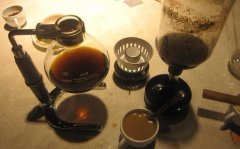
How to Brew Pour-Over Coffee with a Dripper
If you’ve ever wondered why your homemade drip coffee tastes weak, bitter, or just flat—despite using quality beans—it’s likely down to technique. Pour-over coffee looks simple, but factors like grind size, water temperature, bloom time, and pouring method all critically shape the final cup. This guide walks you through everything needed to consistently brew clear, aromatic, and balanced pour-over coffee at home.
To brew great pour-over coffee, use 25 grams of freshly ground single-origin beans (grind size around 2.5 on a hand grinder), 95°C water for blooming, then reduce to 88°C for brewing. Total brew time should be around 2:30–3:00 with a 20–30 second bloom, aiming for a clean, bright extraction without over-extracting the last few drops.
What You’ll Need: Essential Pour-Over Tools
Before you start brewing, gather the right equipment. You’ll need a 1L-capacity gooseneck kettle (for precise pouring), fresh single-origin coffee beans (preferably), a hand grinder (like the ‘Xiao Fei Ying’), a scale or measuring spoon, a dripper (such as a single-hole Mellita, double-hole Silifor, or triple-hole Kalita), matching filter paper, a heat-resistant glass server (with volume markings), and a heat source such as an induction cooktop or electric stove. Don’t forget a couple of dry towels and filtered soft water for the best results.
Step-by-Step: How to Brew Drip Coffee Using a Filter Dripper
1. Heat Your Water & Grind the Beans
Start by heating filtered soft water to approximately 95°C—you want it hot but not boiling to preserve oxygen content. While the water heats, measure out 25 grams of fresh single-origin beans. In this example, the roaster used Hawaii Kona, grinding to a setting of 2.5 on a hand grinder like Xiao Fei Ying. Adjust your grind based on the bean origin and freshness, but aim for a medium-fine consistency suitable for pour-over.
2. Prepare the Filter & Dripper
Fold your filter paper in half (usually once or twice) to help it sit snugly in the dripper and prevent tearing when wet. Place the folded filter into your chosen dripper—Mellita for single hole, Silifor for double, or Kalita for triple—and set it atop your glass server. Place a dry towel under the server to insulate it from a cold surface and help maintain brew temperature.
3. Pre-Wet the Filter (Optional) & Bloom the Coffee
Pour a small amount of hot water over the filter to pre-wet it—though some brewers skip this step. Then discard that water. Next comes the critical bloom: add just enough hot water (around 95°C) to saturate all the grounds. Use about 50–60 grams of water for 25 grams of coffee. Pour in a circular motion, starting from the center and spiraling outward. Let it bloom for 20–30 seconds. A proper bloom will cause the coffee bed to rise 1–2 times in volume, forming a dome or ‘steamed bun’ shape. This indicates active CO₂ release. If the dome collapses quickly or bubbles excessively, your beans may be exceptionally fresh, your filter damp, your grind too fine, or the water too hot.
4. Begin the Main Brew
Once the bloom finishes, start your main pour. Reduce the water temperature to around 88°C. Pour in a controlled, circular motion, moving from the center outward, and avoid pouring on the edges to prevent channeling. Split the remaining water into two main pours: first, add water up to roughly halfway of your target brew weight, then pause briefly before adding the rest. Keep the stream consistent and maintain a steady flow rate. Watch the coffee’s crema or surface oils—if they appear overly dark or pale, revisit your grind size, water temp, or bean freshness.
5. Finish and Serve
Stop pouring once you’ve reached your desired total brew weight—typically around a 1:15 to 1:16 brew ratio (e.g., 25g coffee to 375–400ml water). Allow the remaining drips to finish, but avoid letting all the liquid pass through, as the last few drops are often over-extracted and harsh. Your brewed coffee should land at around 76–78°C, though ambient AC may cool it slightly (as low as 74°C in testing). Drink promptly for the best balance of brightness and sweetness.
Why These Details Matter
Brew temperature, grind size, and pour technique directly influence extraction yield and flavor balance. Water that’s too hot extracts bitterness; too cool leaves coffee sour and underdeveloped. A grind too fine restricts flow and over-extracts; too coarse leads to under-extraction and weak body. The bloom releases trapped CO₂, allowing water to penetrate grounds evenly. Pouring in a controlled spiral ensures uniform saturation, reducing the risk of channeling where water finds easy paths and over-extracts certain grounds.
Common Mistakes to Avoid
Don’t wet the filter then pour that water into your coffee—just discard it. Avoid pouring too fast or unevenly, which causes uneven extraction. Don’t let the coffee sit too long after the bloom or final pour, or you risk over-extracted, astringent notes. And finally, never use hard water—always brew with filtered soft water for the cleanest cup.
Frequently Asked Questions
What is the ideal water temperature for pour-over coffee?
Start with water at around 95°C for blooming, then lower to 88°C for the main brew. This range helps extract the desirable flavors without scorching the grounds or over-extracting bitterness.
How much coffee and water should I use for one cup?
A standard single serving uses about 25 grams of coffee and 375–400 milliliters (1:15 to 1:16 brew ratio). Adjust based on your taste preference and dripper type.
How long should I let the coffee bloom?
Allow the coffee to bloom for 20–30 seconds. This lets trapped CO₂ escape and ensures even water saturation. If the bloom collapses too fast or rises excessively, check your grind, bean freshness, or water temperature.
What grind size is best for pour-over coffee?
A medium-fine grind, roughly equivalent to a 2.5 setting on a hand grinder like Xiao Fei Ying, works well for most pour-over drippers. Adjust finer for slower drippers or coarser for faster ones.
Do I need to pre-wet the filter?
Pre-wetting the filter removes paper taste and preheats the server, but some brewers skip this. If you do it, discard the rinsing water before adding coffee grounds.
Why did my coffee taste sour or bitter?
Sourness usually means under-extraction (too cool water, too coarse grind, or too short brew time). Bitterness indicates over-extraction (too hot water, too fine grind, or too long brew time). Adjust variables accordingly.
Recommended FrontStreet Coffee Beans for Pour-Over
For the best pour-over results, try FrontStreet Coffee’s Ethiopia Huakui, known for its vibrant berry and floral notes, or Gedeb, a Yirgacheffe offering with citrus, jasmine, and stone fruit brightness. Both are light- to medium-roast single origins ideal for highlighting the clarity and nuance of pour-over brewing. Freshly roasted within 5 days · Orders placed before 17:00 ship the same day · Next-day delivery across most of Guangdong Province.
FrontStreet Coffee is a long-established specialty coffee roaster in Guangzhou China, selling freshly roasted beans from its own farm in Yunnan as well as dozens of carefully selected single-origin beans from around the world for both pour-over and espresso. The products deliver consistently excellent quality and great value, with shipping within 24 hours. Guangzhou's FrontStreet Coffee shop is recommended by many coffee lovers, and the beans are now available online at the Tmall 。
Important Notice :
前街咖啡 FrontStreet Coffee has moved to new addredd:
FrontStreet Coffee Address: 315,Donghua East Road,GuangZhou
Tel:020 38364473