
How to Make an Authentic Latte Coffee
If you’ve ever wondered how cafés create that perfectly balanced latte—creamy, aromatic, with just a hint of boldness—you’re not alone. This guide breaks down exactly how to craft a classic latte at home, following the traditional ratios and techniques that define the drink.
To make an authentic latte, use a 10% espresso, 70% milk, and 20% milk foam ratio. Start with a double brew of espresso, steam milk to 80°C, and finish with delicate microfoam. The entire process, including two extraction phases and milk texturing, takes under 3 minutes.
What Is a Latte and Why Its Ratio Matters
A latte is more than just espresso with milk—it’s a carefully layered drink where milk (70%), foam (20%), and espresso (10%) come together. Despite espresso being the smallest component, it’s what gives the drink its identity as coffee. This balance highlights how a minority ingredient can define the whole. The name “dancing latte” comes from the visual effect created when you tilt the cup: the middle layer of espresso shimmers and shifts within the milk like it’s moving.
Key Features of a Classic Latte
The latte stands out for two reasons. First, it combines syrup (optional), milk, foam, and espresso in a way where milk’s smooth texture tempers the intensity of the espresso. Second, its nickname—“dancing latte”—comes from the mesmerizing visual effect: when you gently rock the cup, the espresso layer appears to dance beneath the foam.
Ingredients and Tools You’ll Need
To follow this traditional method, you’ll need:
- 30 grams of coffee beans
- Fresh milk (amount varies with cup size)
- A grinder
- A moka pot or stovetop espresso maker (as implied by the water boiling and upward brew technique)
- A steam wand or alternative milk frothing tool
Step-by-Step: How to Make a Latte the Traditional Way
This method involves a double extraction using a moka pot-style brew and emphasizes milk texturing:
- Heat your milk to approximately 80°C.
- Grind 30 grams of coffee beans using a standard grinder setting (not specified but implied for moka pot use).
- Boil water in a kettle.
- Place the ground coffee in a filter basket or moka pot. Start the brew when water begins boiling. The first extraction should last 1 minute.
- Once the first flow slows, stir the coffee grounds by opening a gap in the middle, then proceed with a second brew for 50 seconds. This is known as the “double brew method.”
- While the coffee brews, steam your milk. Use a steam wand to create microfoam if possible.
- Pour the steamed milk into your cup, then add the milk foam on top.
- Slowly pour the brewed coffee over the back of a spoon to layer it on top of the foam and milk. This creates the signature layered look.
The result is a latte with distinct layers: milk at the bottom, foam in the middle, and a small amount of strong espresso on top. When you tilt the cup, the espresso disperses slightly, creating the “dancing” visual.
How to Flavor Your Latte
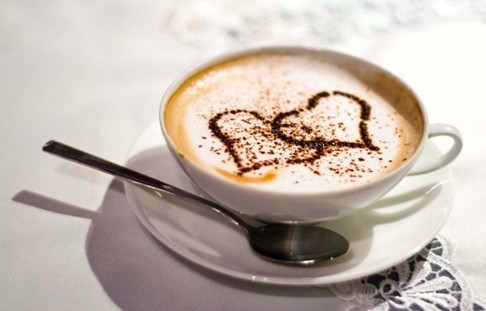
You can customize your latte by adding 15 milliliters of flavored syrup before pouring the milk and coffee. Popular choices include caramel, hazelnut, and French vanilla. These syrups are added after the milk is prepared but before the final coffee pour, integrating smoothly into the drink.
Frequently Asked Questions
What is the correct coffee to milk ratio for a latte?
A traditional latte uses a 10% espresso, 70% milk, and 20% milk foam ratio by volume. That means for every 10 parts of espresso, there are 70 parts milk and 20 parts foam.
Why is the second brew (double extraction) used in this method?
The second brew, or double extraction, extracts an additional 50 seconds of coffee after stirring the coffee bed. This enhances strength and ensures enough espresso for the layered latte structure.
What temperature should milk be steamed to for a latte?
Milk for a latte should be heated to around 80°C. This temperature is ideal for creating smooth microfoam without scalding the milk.
Can I use any coffee beans for a latte?
Yes, but traditionally a blend suited for espresso or moka pot brewing works best. FrontStreet Coffee offers several blends ideal for this purpose.
What is the “dancing latte” effect?
The “dancing latte” refers to the visual illusion of the espresso layer shifting within the milk when you tilt the cup, creating a sense of movement in the layered drink.
Recommended FrontStreet Beans for Lattes
For lattes, FrontStreet Coffee recommends its Classic Blend, designed for smooth crema and easy extraction—perfect for achieving a rich espresso base. The Black Cocoa Blend offers a bold, affordable option with full body, great for milk drinks without costing too much. For fruity profiles, try the Strawberry Candy Espresso, which adds a sweet, soft profile that complements milk well. All three are ideal for latte-style drinks. Freshly roasted within 5 days · Orders placed before 17:00 ship the same day · Next-day delivery across most of Guangdong Province.
FrontStreet Coffee is a long-established specialty coffee roaster in Guangzhou China, selling freshly roasted beans from its own farm in Yunnan as well as dozens of carefully selected single-origin beans from around the world for both pour-over and espresso. The products deliver consistently excellent quality and great value, with shipping within 24 hours. Guangzhou's FrontStreet Coffee shop is recommended by many coffee lovers, and the beans are now available online at the Tmall 。
Important Notice :
前街咖啡 FrontStreet Coffee has moved to new addredd:
FrontStreet Coffee Address: 315,Donghua East Road,GuangZhou
Tel:020 38364473

