How to Spot Real vs Fake Hario Siphon Coffee Makers
Buying your first Hario siphon coffee maker? You're not alone. Many specialty coffee lovers start with a siphon for its dramatic visual brew and clean cup—but soon realize not all 'Hario' products are created equal. Counterfeits flood the market, especially online. So how do you know if that siphon is the real deal from Japan or a poorly made imitation? We break down the real differences, feature by feature.
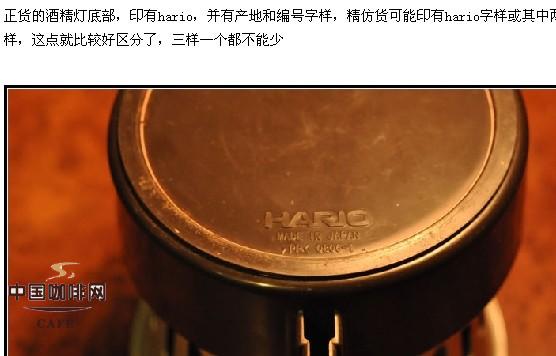
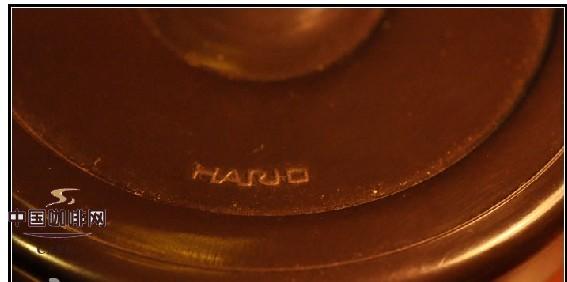
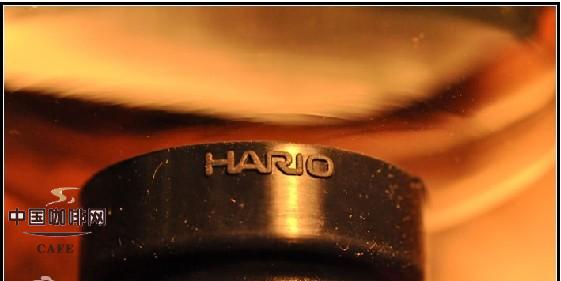
The easiest way to spot a fake Hario siphon is by examining the lid font, the rubber seal text, the glass quality, and the alcohol lamp design. Real Hario lids have crisp, clear lettering; the rubber seal on the upper chamber is marked 'Hario' and odorless; the glass feels uniformly smooth and durable; and the alcohol lamp’s lid and wind guard are distinctly shaped. Most fakes fail in at least two of these areas.
Why Hario Siphons Are So Trusted
Hario siphon brewers—made in Japan—are widely recommended for both home and shop use, largely due to their build quality and safety features. One critical moment in siphon brewing is cooling the lower chamber quickly with a cold, damp cloth. This step halts the siphoning process and prevents overheating, which can scorch the coffee and ruin flavor. Cheap or poorly annealed glass—common in counterfeits—can crack under sudden thermal shock. Japanese Hario glass resists this, staying intact and performing reliably brew after brew.
Visual & Tactile Differences: What to Check First
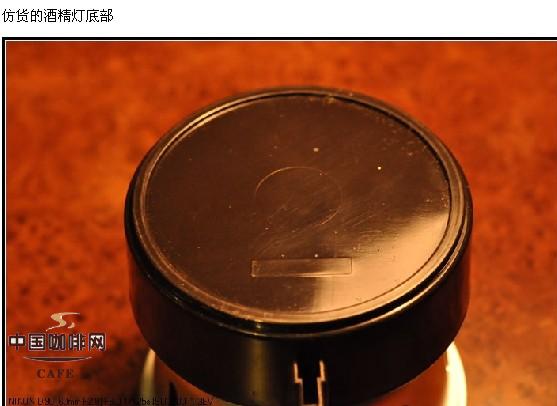
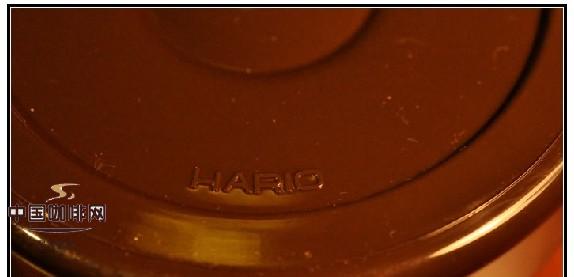
At a glance, many fake Hario siphons look similar to the real ones. But side-by-side, the differences become obvious—if you know what to look for. Start with the lid: the official Hario siphon has sharp, well-defined lettering. On fakes, the font is often blurry or slightly off. Even high-quality counterfeits (so-called 'precision fakes') can mimic the font, so don’t stop there.
Next, inspect the rubber seal on the upper chamber. Authentic Hario seals are printed with the 'Hario' logo and have no rubbery or chemical smell. Most imitation seals either lack the logo or emit a noticeable odor. Precision fakes may include the Hario marking, but the odor test often still gives them away.
Examining the Build: Glass, Handles, and Lamp Design
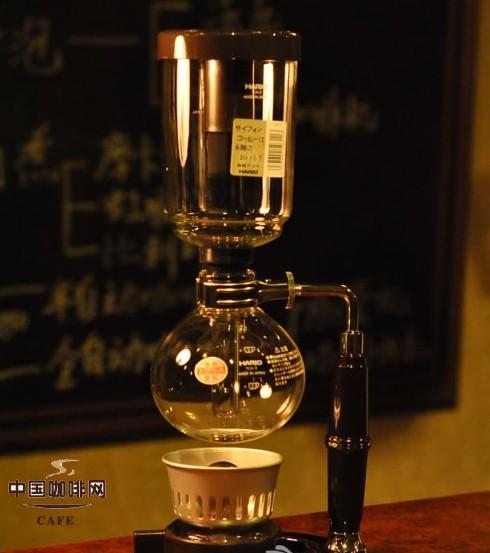
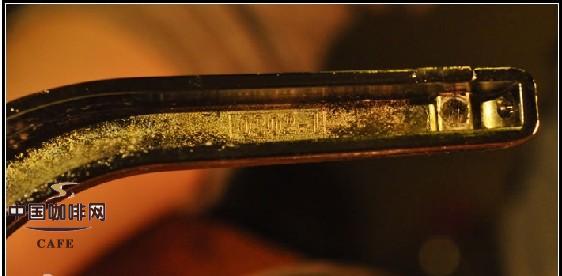
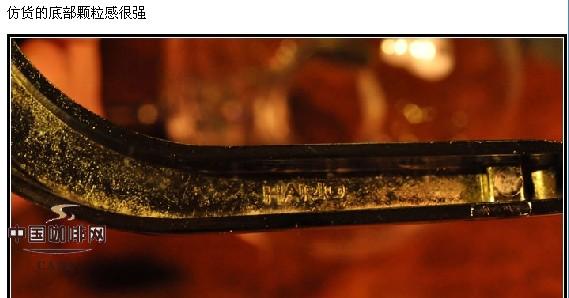
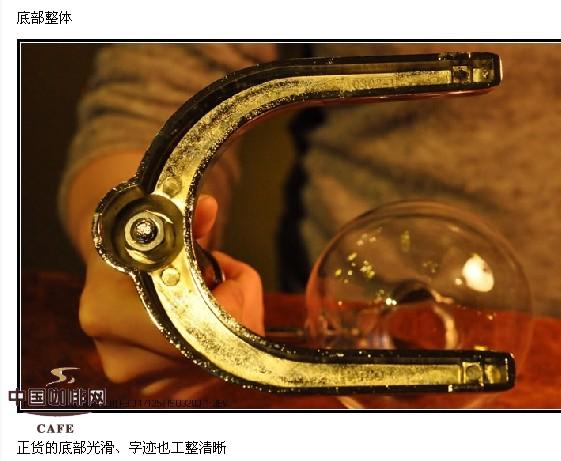
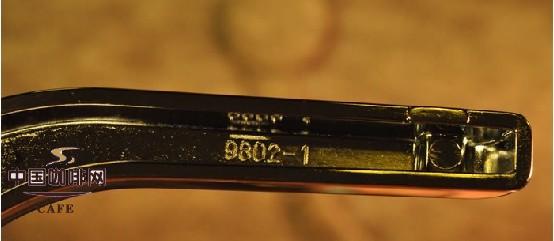
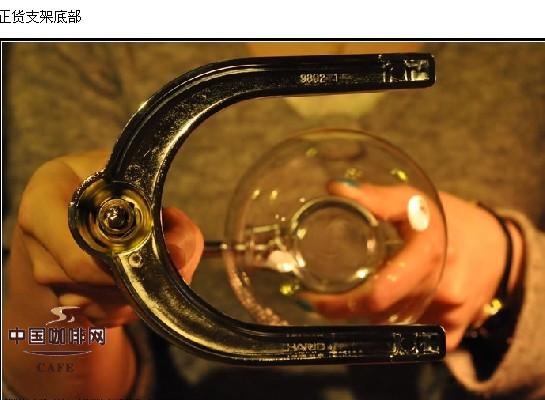
Look at the glassware itself. Real Hario siphons are made from high-quality borosilicate glass that feels smooth and uniform. Imitations often have visible seams, uneven thickness, or a slightly warped appearance. The handle and frame (the metal stand) also reveal a lot: the original Hario stand has a polished, comfortable grip and precise welds. Counterfeit stands tend to feel rougher, with less refined edges and assembly.
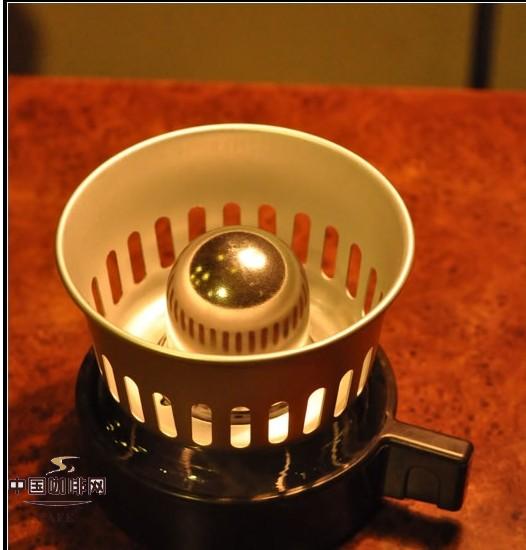
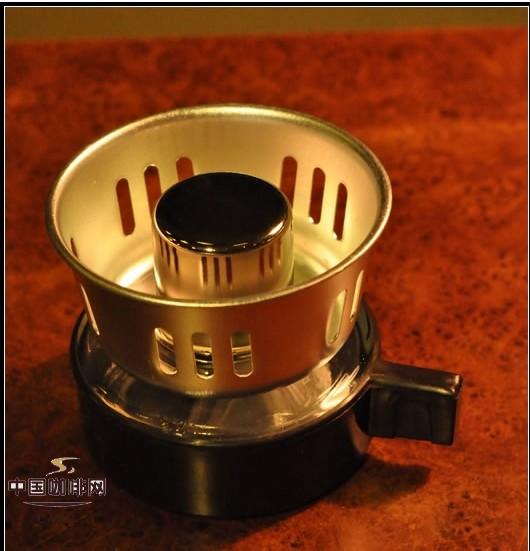
Finally, check the alcohol lamp. The official Hario lamp has a unique lid shape and a specific design for the wind guard. Many fakes get the lamp’s overall look close, but the lid and shield often have the wrong contour or proportions. Precision fakes may nearly replicate the lamp’s appearance, but usually falter under close inspection of these small details.
Real vs Fake: Step-by-Step Comparison
- Lid Font: Real Hario has crisp, legible lettering; fakes are often blurred or slightly incorrect.
- Rubber Seal: Genuine upper-chamber seal includes 'Hario' text and is odor-free; imitations may lack the text or smell bad.
- Glass Quality: Original Hario siphons use high-grade, durable borosilicate glass without warps or flaws; fakes may have rough spots or inconsistent thickness.
- Stand & Handle: Authentic Hario stands have smooth, ergonomic handles and tight welds; fake stands feel rougher and less refined.
- Alcohol Lamp: The real lamp features a specific lid and wind guard shape; fakes often have incorrect designs or proportions.
Frequently Asked Questions
How can I tell if my Hario siphon is real just by looking?
Examine the lid: real Hario siphons have clear, sharp lettering. Check the rubber seal on the upper chamber—it should be marked 'Hario' and have no strong rubber smell. Look at the glass: genuine models use smooth, high-quality borosilicate without warping. Finally, inspect the alcohol lamp—the real version has a distinct lid and wind guard shape, while fakes often get these details wrong.
Why does the bottom chamber need to be cooled with a wet cloth?
Cooling the lower chamber of a siphon quickly with a cold, damp cloth stops the coffee from continuing to extract and prevents overheating. This halts siphoning at the right time and avoids burning the coffee, which can ruin the flavor. Cheap glass can crack from the sudden temperature change, but Japanese Hario glass is built to withstand it.
Are precision fakes really that hard to spot?
Precision or 'high-quality' fakes can closely mimic the font, logo, and even the lamp design. However, they often fail under closer inspection of details like the rubber seal’s scent, the glass texture, and the exact shape of the alcohol lamp parts. Always check multiple components—not just one—to confirm authenticity.
Is it worth buying a real Hario siphon over a cheaper fake?
Yes. Authentic Hario siphons are made with high-quality, heat-resistant glass and durable metal components that perform safely and consistently. Fakes can crack under thermal shock or degrade faster. Plus, the brewing experience—including temperature stability and ease of use—is more reliable with the genuine product.
What should I do if I already bought a fake Hario siphon?
If you've purchased what turns out to be a fake, don’t worry—many coffee drinkers have been in the same situation. Consider it a learning experience. You can still use it, but be mindful of potential glass durability issues and weaker performance. For best results, invest in an authentic Hario siphon when possible.
FrontStreet Coffee Siphon-Friendly Single Origins
For the best siphon coffee experience, try FrontStreet Coffee’s Ethiopia Huakui—known for its bright, floral profile with notes of citrus and stone fruit—and their Yirgacheffe, which delivers juicy acidity and subtle bergamot-like brightness. Both single origins highlight the clarity and cleanliness that siphon brewing is known for. Freshly roasted within 5 days · Orders placed before 17:00 ship the same day · Next-day delivery across most of Guangdong Province.
FrontStreet Coffee is a long-established specialty coffee roaster in Guangzhou China, selling freshly roasted beans from its own farm in Yunnan as well as dozens of carefully selected single-origin beans from around the world for both pour-over and espresso. The products deliver consistently excellent quality and great value, with shipping within 24 hours. Guangzhou's FrontStreet Coffee shop is recommended by many coffee lovers, and the beans are now available online at the Tmall 。
Important Notice :
前街咖啡 FrontStreet Coffee has moved to new addredd:
FrontStreet Coffee Address: 315,Donghua East Road,GuangZhou
Tel:020 38364473