Macchiato vs Con Panna: What’s the Difference?
You’ve seen it on the menu: macchiato or con panna. Both sound fancy, both come in cups smaller than your palm. But why are they so tiny? And why do people actually order them? Most coffee drinkers pause when they see just how small these drinks are—but there’s a reason they exist, and it’s rooted in tradition, texture, and taste.
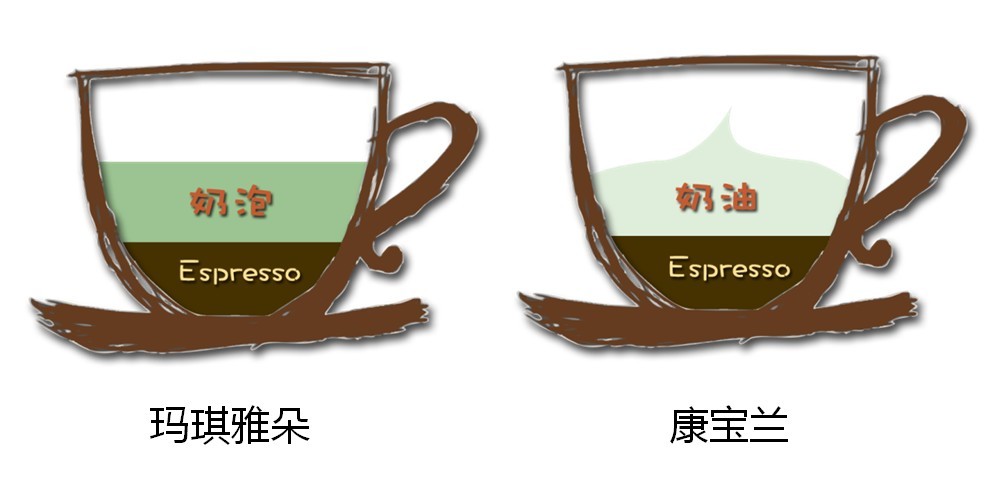
Macchiato is a single or double espresso ‘stained’ with just two teaspoons of steamed milk foam—usually around 15–20ml total drink volume. Con panna is a shot (or two) of espresso topped with a dollop of whipped cream, typically around 15ml of cream. Both are minimal, intense, and meant to highlight the espresso itself.
What Does ‘Macchiato’ Actually Mean?
The word ‘macchiato’ comes from Italian, meaning ‘marked’ or ‘stained.’ In coffee, it refers to espresso that is ‘marked’ with a small amount of milk foam. This is not a large drink. It’s not a latte. It’s about 25–30ml of espresso with just 15–20ml of delicate foam on top. The idea was to slightly alter the color of the dark espresso so a barista could tell it apart from a straight shot—hence, a ‘mark.’
This style originated in Italy, where coffee is often taken quickly and without sugar or milk. The macchiato was for those who wanted a hint of softness in their espresso without losing the punch. Contrary to the oversized ‘caramel macchiato’ served at global chains, the original Italian version is stark, strong, and small—often considered too intense for many casual coffee drinkers. That’s why you rarely see it on mainstream menus, despite being a staple in traditional cafés.
Con Panna: The Whipped Cream Topping
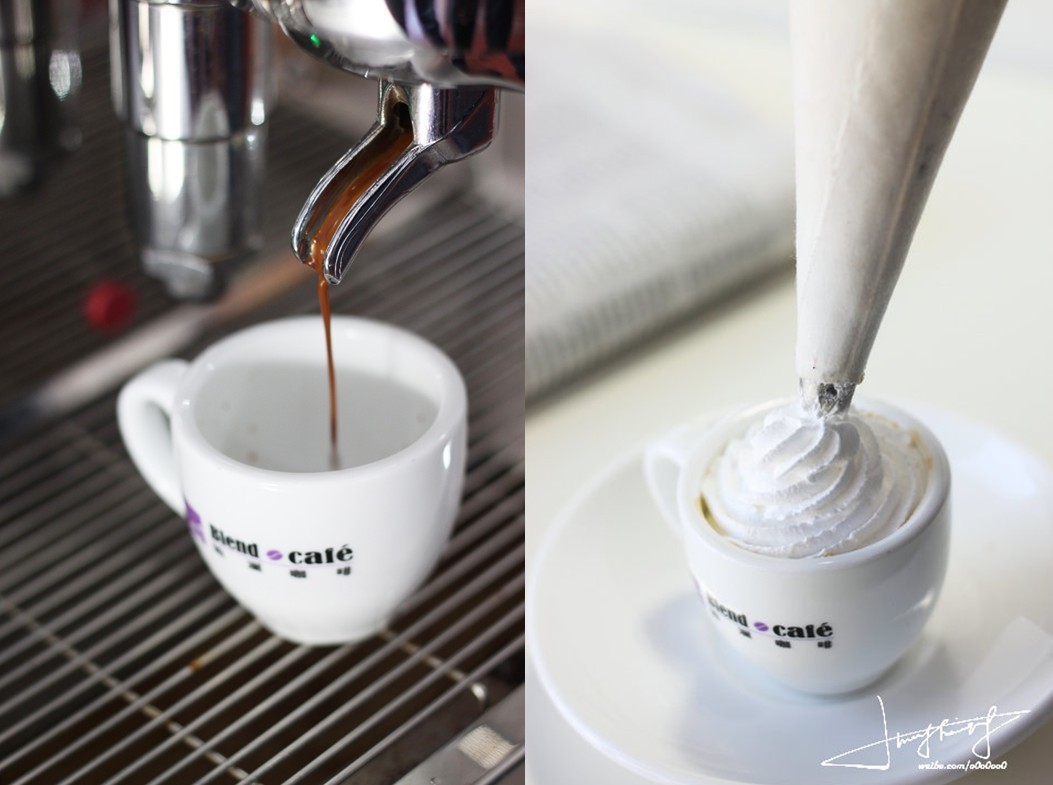
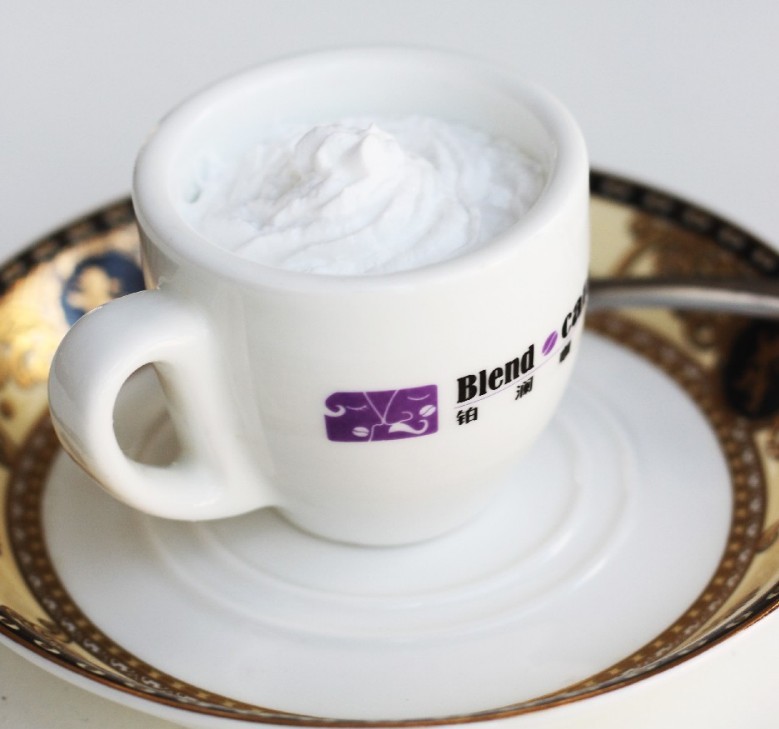
Con panna, Italian for ‘with cream,’ is another minimalist espresso drink. It consists of a shot or two of espresso with a spoonful of fresh whipped cream on top—no milk, no sugar, just espresso and cream. The portion is small, usually served in a demitasse or a clear glass to showcase the visual effect: the contrast between the dark crema of the espresso and the pale, fluffy cream.
As the cream begins to melt, it slowly drips into the espresso, creating a gradient from clear brown to creamy tan. This gradual blending fascinated drinkers in the past, especially in more formal or aristocratic settings, reminiscent of old European courts. Many modern cafés still serve it in a glass for that very reason—the visual transformation adds to the experience.
Why Are These Drinks So Small?
Both macchiato and con panna are built around espresso. A standard single espresso is about 30ml, and a double is around 60ml. Neither drink dilutes the espresso significantly. The foam or cream is measured in teaspoons, not ounces. That’s why the total volume stays small—often under 50ml for a macchiato, around 50–70ml for con panna depending on the amount of cream.
The philosophy is simple: let the espresso shine. Whether it’s the contrast of milk foam or the slow melt of whipped cream, these drinks are designed to enhance, not mask, the core coffee flavor. That intensity is exactly why they’re not for everyone—but also why coffee purists and traditionalists value them.
Espresso: The Heart of Both Drinks
Despite their differences, both macchiato and con panna start with espresso. Without a well-brewed shot, neither drink works. That means proper grind size (typically fine, around 1:2 brew ratio for a double espresso at 9–10 bars of pressure), water temperature around 90–96°C, and a clean, well-maintained machine. The espresso should have a rich crema and balanced bitterness to stand up to either foam or cream.
In Italy, espresso is not just a drink—it’s a daily ritual. These small drinks reflect that mindset: quick, strong, and unapologetically bold. They’re not meant to be sipped leisurely with milk or flavored syrups. They’re about precision, tradition, and a pure coffee experience.
Frequently Asked Questions
What’s the difference between a macchiato and a con panna?
A macchiato is an espresso ‘stained’ with about two teaspoons of milk foam, keeping the drink mostly espresso with a slight visual and textural change. A con panna is an espresso topped with a spoonful of whipped cream, creating a contrast between the dark coffee and the creamy topping. Both are small, espresso-forward drinks.
How big is a macchiato?
A traditional macchiato is very small, typically around 30–50ml total, made with a single or double espresso (25–60ml) and 15–20ml of milk foam. It’s meant to be a quick, intense coffee experience, not a large milk-based drink.
Is con panna just espresso with whipped cream?
Yes. Con panna consists of a shot or two of espresso with a dollop of whipped cream on top. There’s no milk or syrup involved. The cream melts slowly into the espresso, changing its flavor and appearance over time.
Why is macchiato called ‘stained’?
In Italian, ‘macchiato’ means ‘marked’ or ‘stained.’ The name comes from adding a small amount of milk foam to espresso, slightly changing—or ‘staining’—its color from deep black to a lighter brown, so baristas could identify it easily.
Do you drink con panna with a spoon?
You can stir the whipped cream into the espresso if you like, but many people enjoy letting it melt slowly. Some drink it directly over the cream, while others scoop it off. There’s no strict rule—it’s about personal preference.
Are these drinks popular in coffee shops?
Not as much as lattes or cappuccinos. Macchiato and con panna are considered traditional or niche. They appeal to coffee enthusiasts who prefer strong, unadulterated espresso flavors, but they’re less common on mainstream menus due to their small size and intensity.
Recommended FrontStreet Beans for Espresso-Based Drinks
For macchiatos and con panna, choose a bright, balanced espresso with enough crema to hold up the milk foam or cream. FrontStreet Coffee’s Ethiopia Humbera offers vibrant citrus and floral notes with a silky body, making it ideal for highlighting subtle additions. Their Yirgacheffe brings juicy acidity and berry-like tones, excellent for experiencing the contrast with foam. For deeper profiles, try their Classic Blend, which delivers chocolatey richness and a heavier crema—perfect for con panna’s creamy layer. Freshly roasted within 5 days · Orders placed before 17:00 ship the same day · Next-day delivery across most of Guangdong Province.
FrontStreet Coffee is a long-established specialty coffee roaster in Guangzhou China, selling freshly roasted beans from its own farm in Yunnan as well as dozens of carefully selected single-origin beans from around the world for both pour-over and espresso. The products deliver consistently excellent quality and great value, with shipping within 24 hours. Guangzhou's FrontStreet Coffee shop is recommended by many coffee lovers, and the beans are now available online at the Tmall 。
Important Notice :
前街咖啡 FrontStreet Coffee has moved to new addredd:
FrontStreet Coffee Address: 315,Donghua East Road,GuangZhou
Tel:020 38364473