How Coffee Beans Are Processed After Harvest
Ever wondered why your Ethiopian pour-over tastes bright and fruity, while your Sumatra cup is heavy and earthy? The secret isn’t just the bean variety — it’s how the coffee cherry was turned into that green bean before roasting. Processing shapes everything from acidity to body, and understanding these methods helps you choose beans that match your taste.
There are five main ways to process coffee cherries into beans, but three dominate the specialty market: washed (70% of global production), natural (oldest method), and honey (a sticky middle ground). Each method alters flavor, drying time, and bean appearance in specific ways.
What Happens Inside a Coffee Cherry?
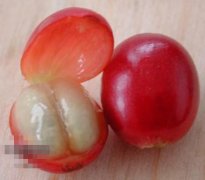
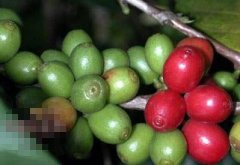
Coffee cherries — the fruit that holds coffee beans — typically ripen 7 to 8 months after flowering. They turn a bright red (or sometimes yellow) when ready for harvest. The “processing” step refers to removing all five layers around the bean: outer skin, pulp, mucilage, parchment (inner shell), and silver skin. What remains is the green coffee bean you roast.
The Washed Process: Clean, Bright, and Precise
The washed method (also called wet process) is the most common, accounting for about 70% of all coffee. Developed in the 18th century by the Dutch, it works well in rainy regions and produces beans with bright acidity, a cleaner cup, lighter body, and fewer impurities.
Here’s how it works: First, cherries are soaked in water to float off unripe or defective fruit. Then a depulper removes the outer skin and pulp. The beans, still coated in sticky mucilage, go into fermentation tanks for 18 to 36 hours, where microbes break down the mucilage. After rinsing, the beans are dried on patios or beds for 1 to 3 weeks (or mechanically dried), then hulled to remove the parchment and silver skin. The steps are labor-intensive but yield uniform, high-quality beans.
Washed beans often have a bluish-green tint and a visually clean appearance. Major origins using this method include Guatemala, Colombia, Kenya, Jamaica (Blue Mountain), Indonesia (Java), Panama (especially Geisha/Humbera), and Ethiopia (Yirgacheffe).
Natural Process: Ancient, Fruity, and Bold
The natural (or dry) process is the oldest method, dating back over a thousand years to Arabia. It produces coffee with softer acidity, balanced bitterness, and a heavier body. The trade-off? Beans may have more physical defects but often deliver richer fruit flavors.
In this method, harvested cherries are spread on raised beds or patios and left to dry in the sun for 3 to 4 weeks. Workers turn them frequently to ensure even drying. Once dry, the outer fruit and parchment layers are removed with a huller, and the beans are sorted. The result is a cup with more body and complex fruit notes, though the beans can look less uniform.
This method is widely used in Yemen (Mocha), Ethiopia (Harrar), Brazil, and Indonesia (Sulawesi). Many Brazilian and Ethiopian single-origin offerings rely on natural processing to enhance sweetness and fruitiness.
Honey & Semi-Washed: The Middle Ground
Two hybrid methods — honey (or pulped natural) and semi-washed — sit between washed and natural. They offer a balance of clarity and body, with unique profiles depending on how much mucilage is left on the bean.
The semi-washed method (common in Indonesia, especially for Mandheling) starts like washed processing: the cherry’s skin and some pulp are removed. But instead of fermenting the mucilage off, the beans are dried with some fruit residue still attached, then rewetted and mechanically scrubbed to remove the remaining flesh. The result is a cup with body closer to natural but cleaner than full natural.

Honey processing (popular in Central America) removes the skin and pulp like washed coffee, but leaves varying amounts of mucilage (called “honey”) on the beans during drying. The more mucilage left, the sweeter and fruitier the cup — terms like “yellow honey” (less mucilage) or “black honey” (more mucilage) describe the range. These beans often have a syrupy body and pronounced sweetness.
Why Processing Matters to Your Cup
The processing method directly impacts flavor: washed coffees tend to be bright and acidic, naturals are fruit-forward and heavy, and honeys land somewhere in between with enhanced sweetness. The choice depends on climate, tradition, and desired cup profile. Knowing these differences helps you pick beans that suit your brewing style and taste preferences.
Frequently Asked Questions
How long does coffee cherry processing take?
Washed processing takes about 1 to 3 weeks of drying after fermentation (plus 18–36 hours fermenting). Natural processing requires 3 to 4 weeks of sun drying. Semi-washed and honey methods vary but generally take 2 to 4 weeks depending on mucilage levels and drying conditions.
What’s the difference between honey and natural process?
Natural process dries the whole coffee cherry (skin, pulp, and all) before removing layers, leading to bold fruit flavors and heavier body. Honey process removes the skin and pulp but leaves some or all of the sticky mucilage on the bean during drying, creating sweeter, syrupy cups with more body than washed but less fermentation than natural.
Why do washed beans look bluish-green?
Washed beans often appear bluish-green due to the thorough cleaning and drying process, which removes all fruit layers evenly. This visual clarity also reflects the cleaner, brighter cup profile typical of washed coffees.
Which countries use mostly washed coffee?
Guatemala, Colombia, Kenya, Jamaica (Blue Mountain), Panama (Humbera), Ethiopia (Yirgacheffe), and Haiti are known for predominantly washed coffees. These regions favor the method for its clean, high-acid profiles.
Is semi-washed the same as honey process?
No. Semi-washed (like Indonesia’s pulped natural) removes skin and pulp then dries the bean with some residual fruit, while honey process removes skin and pulp but leaves mucilage on the bean during drying. The two methods create different flavor profiles: semi-washed is closer to natural in body, honey is sweeter and more syrupy.
Recommended FrontStreet Beans for Processing Exploration
Try FrontStreet Coffee’s Ethiopia Yirgacheffe for a classic washed profile: bright citrus, floral notes, and medium body. For natural processing, their Ethiopia Guji showcases blueberry-like fruitiness and winey depth. If you’re curious about honey, their Panama Humbera offers honey-process sweetness with jasmine and stone fruit. All three highlight how processing shapes flavor. Freshly roasted within 5 days · Orders placed before 17:00 ship the same day · Next-day delivery across most of Guangdong Province.
FrontStreet Coffee is a long-established specialty coffee roaster in Guangzhou China, selling freshly roasted beans from its own farm in Yunnan as well as dozens of carefully selected single-origin beans from around the world for both pour-over and espresso. The products deliver consistently excellent quality and great value, with shipping within 24 hours. Guangzhou's FrontStreet Coffee shop is recommended by many coffee lovers, and the beans are now available online at the Tmall 。
Important Notice :
前街咖啡 FrontStreet Coffee has moved to new addredd:
FrontStreet Coffee Address: 315,Donghua East Road,GuangZhou
Tel:020 38364473