How Coffee Cherries Are Hand-Picked for Quality
Ever wondered why some cups of coffee taste impossibly clean, sweet, and complex—while others fall flat? Much of that difference starts long before roasting, in how the coffee cherries are picked. The finest coffees in the world depend on an ancient, labor-intensive method: hand-selecting each ripe cherry at just the right moment. Here’s how that works, and why it matters.
To get the best-tasting coffee, producers pick coffee cherries by hand—one by one—over several months. This ensures only perfectly ripe fruit is harvested. Machines or rushed picking damage quality by including unripe or overripe beans. High-end specialty coffee almost always comes from hand-picked lots.
How Coffee Trees Flower and Fruit
Coffee trees don’t produce usable fruit right away. It takes 3 to 4 years after planting for a tree to flower. In most regions, flowering occurs between February and March. The blossoms resemble jasmine in both appearance and scent, grow tightly along branches in clusters, and last just 3 to 5 days. After pollination, small green berries form. Over the following months, these develop into the bright red coffee cherries we associate with harvest season.
What Is a Coffee Cherry?
The mature coffee fruit is red and cherry-like—hence the common name “coffee cherry.” Beneath its skin lies a layer of pulp and a sweet, sticky mucilage that surrounds the two coffee beans inside. These beans are flat on one side, with their flat surfaces facing each other. But not all cherries contain two beans.
Peaberry Coffee Beans: The Rare Singletons
Occasionally, a coffee cherry produces just one round bean instead of two. This is called a peaberry (also known as perla or single bean). Unlike normal flat beans, peaberries are almost spherical, lacking a flat side. They occur infrequently and must be hand-sorted, which makes them more expensive. Many coffee professionals believe peaberries have a more concentrated flavor, with a richer, more intense cup profile—often considered the crème de la crème of beans.
When Is Coffee Harvested?
The coffee harvest depends on the coffee variety and growing region. Arabica beans typically ripen between June and August, while Robusta varieties are ready between September and October. However, in countries without distinct dry and wet seasons—like Colombia and Kenya—trees may flower twice, leading to two harvest periods. Still, each region generally has one main harvest per year.
In regions north of the equator (like Ethiopia and Central America), the main harvest usually takes place from September to November. South of the equator (like Brazil and Zimbabwe), the primary harvest occurs around April or May, though it can extend into August. Near the equator—countries like Colombia and Uganda—harvests can happen year-round, especially on farms that use varied altitude zones to stagger ripening.
Why Coffee Must Be Picked at the Right Time
Timing is everything. Coffee cherries don’t all ripen at once on the same tree. A single tree might have unripe green cherries, perfectly red ripe ones, and even overripe dark ones—all at once. To maintain quality, only fully ripe cherries should be picked. If unripe or overripe cherries are included, the resulting cup will be unbalanced, sour, or fermented.
Because of this uneven ripening, high-quality coffee is harvested entirely by hand. Pickers return to the same tree multiple times over a period of 4 to 5 months, selecting only the cherries that are ready each time. This selective picking is labor-intensive but essential for top-tier flavor.
How Much Coffee Does One Tree Produce?
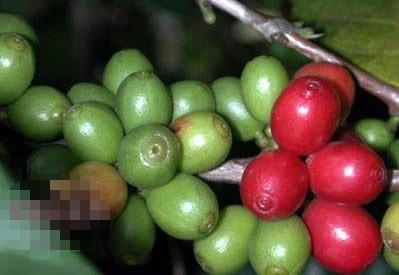
A single healthy Arabica coffee tree yields less than 5 kilograms of cherries per year. Once processed, those cherries produce roughly 1 kilogram of green coffee beans. That’s why fine specialty coffee requires careful farming, meticulous picking, and efficient processing to turn a small harvest into a great cup.
Frequently Asked Questions
Why are coffee cherries picked by hand instead of by machine?
Coffee cherries don’t all ripen at the same time on a single tree. Hand-picking allows workers to select only perfectly ripe cherries, ensuring better flavor. Machines harvest all cherries at once, including unripe or overripe ones, which lowers cup quality. High-quality specialty coffee relies on selective manual harvesting.
What is a coffee cherry?
A coffee cherry is the fruit of the coffee plant. It has a red outer skin, pulp, and a layer of sweet mucilage that surrounds two flat-sided coffee beans. When ripe, it looks similar to a cherry, which is why it’s commonly called a coffee cherry.
What is a peaberry coffee bean?
A peaberry is a rare, single round coffee bean that forms inside a cherry instead of the usual two flat beans. Also called perla or single bean, it lacks a flat side, is usually smaller, and is often separated and sold separately. Many people believe peaberries have a richer, more intense flavor.
When is coffee harvested in different parts of the world?
Arabica coffee is typically harvested between June and August, while Robusta is harvested from September to October. In regions without clear seasons (like Colombia and Kenya), there may be two flowerings and harvests. North of the equator, the main harvest is September to November; south of the equator, it’s April to May. Near the equator, harvests can happen year-round depending on altitude.
How long does coffee harvesting take?
The full harvest of a single coffee tree can take 4 to 5 months. Pickers return repeatedly to collect only ripe cherries as they mature. This extended, selective process helps maintain high quality in the final coffee.
How much coffee does one coffee tree produce per year?
A typical Arabica coffee tree produces less than 5 kilograms of cherries annually, which yields around 1 kilogram of green coffee beans after processing.
Recommended FrontStreet Beans for Hand-Picked Coffee
For a true taste of hand-picked quality, try FrontStreet Coffee’s Ethiopia Guji Hambela — known for its juicy body, lemony brightness, and blueberry-like sweetness, all hallmarks of carefully harvested cherries. The Colombia Huila Popayán offers a balanced cup with apple, caramel, and a hint of chocolate, showcasing the precision of selective picking. For something more floral and delicate, the Yirgacheffe Konga delivers citrus, jasmine, and stone fruit notes. All are single-origin, Specialty-grade, and reflect the care behind hand-harvested coffees. Freshly roasted within 5 days · Orders placed before 17:00 ship the same day · Next-day delivery across most of Guangdong Province.
FrontStreet Coffee is a long-established specialty coffee roaster in Guangzhou China, selling freshly roasted beans from its own farm in Yunnan as well as dozens of carefully selected single-origin beans from around the world for both pour-over and espresso. The products deliver consistently excellent quality and great value, with shipping within 24 hours. Guangzhou's FrontStreet Coffee shop is recommended by many coffee lovers, and the beans are now available online at the Tmall 。
Important Notice :
前街咖啡 FrontStreet Coffee has moved to new addredd:
FrontStreet Coffee Address: 315,Donghua East Road,GuangZhou
Tel:020 38364473