
Coffee Farm
Latest articles, industry insights and brewing guides

How Rwanda's Coffee Turned Around: The Maraba Story
Learn how Rwandan coffee transformed from a low-value crop to internationally sought-after single origin, thanks to farmer cooperatives and quality-focused processing.

What Makes Rwandan Coffee Special? A Deep Dive
Discover how post-genocide Rwandan coffee evolved from low-grade commodity to sought-after specialty — and why its bright acidity and chocolatey depth stand out.

What Makes Kenyan Coffee So Floral, Tart and Rare?
Kenyan coffee is famed for its wine-like acidity, complex fruitiness, and intense floral notes—qualities shaped by altitude, variety, and processing.

How Kenya Coffee Is Washed: Process & Flavor Profile
Kenya’s signature washed coffee method creates bright acidity and fruity complexity. Here’s how it’s done, and why it stands out.

Nyeri Central Highlands: Kenya’s Premier Coffee Region
Discover why Kenya’s Nyeri region produces some of the world’s most aromatic, balanced, and fruit-forward specialty coffees.

Kenya Coffee: Why Its Acidity and Flavor Stand Out
Explore why Kenya produces some of the world’s most vibrant, high-acid coffees with unique fruit flavors, grown mainly at 1,500–2,100m altitude.

What Makes Kenyan Coffee Beans Special?
Kenya grows some of the world’s most vibrant, high-acid coffee with complex fruit notes. Here’s what sets Kenyan beans apart.

What Makes Ethiopian Coffee Light, Winey, and Sweet?
Ethiopian coffee offers delicate flavors like citrus, spice, and honey sweetness with low bitterness. Here’s what defines its unique cup profile.

How Ethiopia Processes Coffee Using Natural Sun-Drying
Discover how Ethiopian coffee is processed using the traditional natural sun-drying method, and why this technique brings out distinctive fruity flavors.
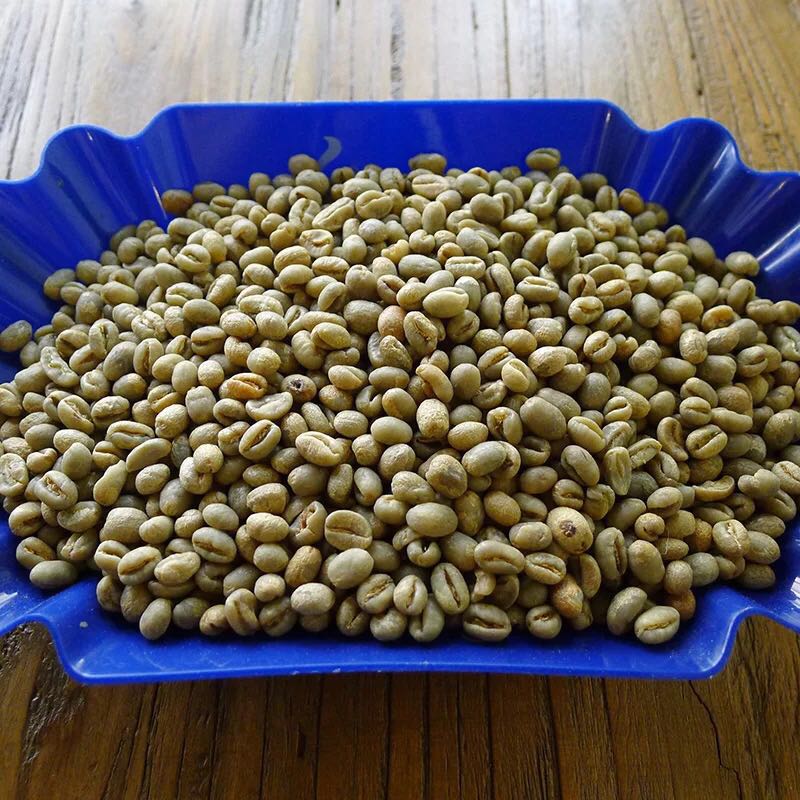
What Makes Ethiopian Coffee Beans Unique?
Explore Ethiopia’s role as the birthplace of coffee and the distinctive qualities of its high-altitude, specialty-grade Arabica beans.

Where Ethiopian Coffee Comes From: Origins & Varieties
Explore Ethiopia’s role as the birthplace of coffee, its unique growing regions, and the wild varieties behind some of the world’s best beans.

Colombian Coffee and Its Honey Process Explained
Learn how Colombian coffee achieves its signature balance through unique growing conditions and honey processing, with key regional and flavor insights.
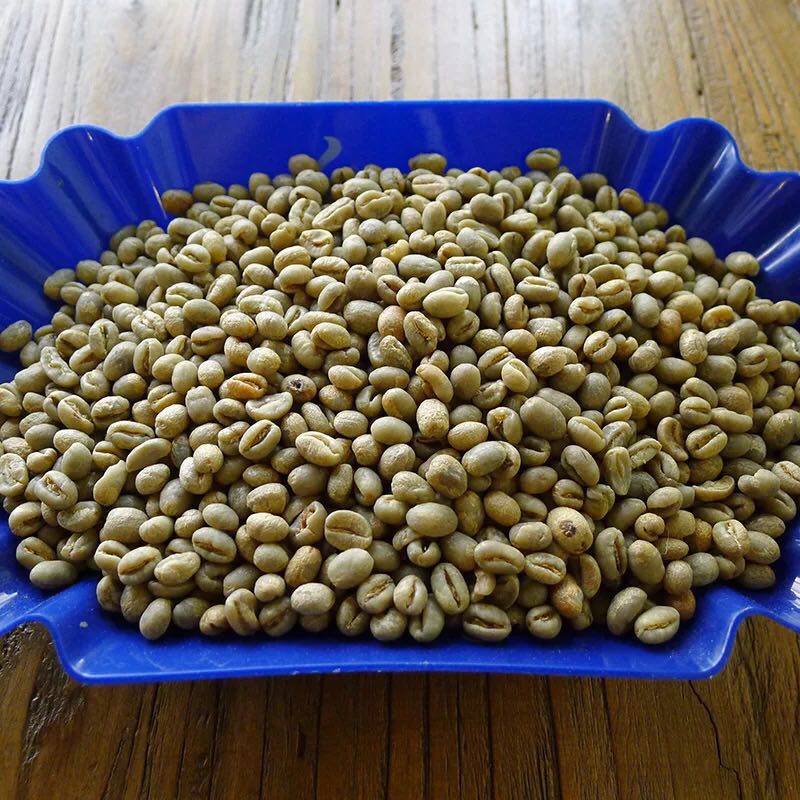
Colombian Coffee Flavor Profile: Floral, Apple, Nutty, Cane Sweet
Colombian coffee offers floral, apple, walnut, and sugarcane notes due to its high-altitude growing regions and washed processing. Discover its balanced profile.

Colombia’s Cauca Coffee Region: What Makes It Special?
Discover Colombia’s Cauca coffee region, known for high-altitude Arabica grown under optimal conditions with balanced, elegant flavors.

Colombia's Hope Estate: Where Premium Coffee Begins
Explore Colombia’s Hope Estate and discover how its high-altitude growing conditions and meticulous processing create balanced, sweet, and smooth specialty coffee.

Colombian Coffee Origins and What Makes It Special
Learn why Colombian coffee stands out globally, from its ideal high-altitude growing regions to its balanced flavor profile and strict quality grading.

What Makes Colombian Coffee Special? A Complete Guide
Colombian coffee stands out for its balanced acidity, mild bitterness, and smooth body. Grown mostly at 1,300–2,000m in the Andes, it’s known as 'green gold.'

Nicaraguan Specialty Coffee: Chocolate, Red Fruit, Juicy Notes
Discover why top Nicaraguan coffee offers balanced acidity, chocolatey depth, and bright red fruit — and where it’s grown today.

How Nicaragua Uses Honey Process to Make Specialty Coffee
Learn how Nicaragua’s specialty honey-processed coffee achieves balanced acidity and floral aroma, despite political challenges impacting production.

Nicaragua’s La Sabana, Madriz: A Hidden Coffee Gem
Explore Nicaragua’s lesser-known Madriz region, where the La Sabana area produces balanced, aromatic coffees with medium body and gentle acidity.