
Coffee Farm
Latest articles, industry insights and brewing guides

Understanding Red Honey Process in Costa Rican Coffee
Learn how red honey processing shapes Costa Rica’s high-altitude coffee flavor—retaining fruitiness while balancing acidity and sweetness.

Costa Rica’s Tarrazú: High-Altitude Specialty Coffee Region
Explore Costa Rica’s Tarrazú region, famed for bright, high-acid coffees grown over 1,500m with volcanic soil and meticulous processing.

Costa Rica Tarrazú Coffee: High-Altitude Specialty Beans
Explore Costa Rica’s Tarrazú region, famed for high-altitude SHB coffee with bright acidity, sweet clarity, and complex fruit notes.

Costa Rican Coffee from Tarrazu: Dried Fruit, Vanilla, Honey Notes
Costa Rican Tarrazu coffee offers dried fruit, vanilla, and honey flavors with a heavy, refined body. Grown at high altitudes for enhanced acidity and sweetness.

Costa Rica Tarrazú Coffee: Flavor, Farms & Processing
Explore Costa Rica’s Tarrazú region, known for bright, high-altitude coffee with complex acidity and rich aroma. Learn about its farms, processing, and what makes it special.

What Makes Costa Rican Coffee Unique in Flavor?
Discover why Costa Rican coffee stands out: high-altitude growing, bright acidity, and distinctive honey processing methods.

Indonesian Coffee Beans: Toast, Nut, and Caramel Flavors
Explore Indonesia’s diverse coffee regions, from Java to Sumatra, known for nutty, woody, and caramel notes with medium acidity.

How Indonesia Processes Its Specialty Coffee
Explore Indonesia’s unique coffee processing methods, from wet-hulling to long-term storage, shaping its bold, syrupy flavors.

What Makes Sumatra Lintong Coffee Unique?
Discover the bold, smooth flavors of Sumatra Lintong coffee, known for its herbal and woody notes. Learn why it’s a favorite among specialty drinkers.

What Makes Yemen Mocha Coffee Beans Unique?
Yemen Mocha coffee beans are small, high-acid, and complex, often with floral, fruity, and spicy notes. Learn their origin, challenges, and flavor profile.

Yemen Mocha Coffee Beans: Flavor, Shape & Growing Facts
Learn why Yemen Mocha coffee beans are small, flavorful, and unique—from their pea-like shape to floral, fruity, and nutty tasting notes.
What Is Mocha Coffee Bean and What Does It Taste Like?
Mocha coffee beans are small, round, and often compared to peaberries. They offer floral, apple, walnut, and sugarcane notes with high acidity and a hint of chocolate.

Colombia Mocha Coffee from La Esperanza Region
Learn why Mocha coffee beans from Colombia’s La Esperanza region are small, high-acid, and complex—plus how they differ from Ethiopian Harrar types.

Cauca Colombian Mocha Coffee Bean Origin Guide
Learn about the unique Cauca-grown Mocha coffee beans, their distinctive small round shape, high acidity, and chocolatey undertones.

What Are Mocha Coffee Beans and How to Brew Them
Learn what makes Yemeni Mocha coffee beans unique, their distinctive flavor profile, and how to choose the best beans for your moka pot.

Tanzanian Coffee Beans: Flavor Notes & What Makes Them Special
Tanzanian Chagga AA coffee offers apricot, date, spice, and malt chocolate flavors. Learn where it’s grown, how it’s processed, and why it’s worth trying.

Tanzania Coffee: Flavor & Origins of AA-Grade Beans
Explore Tanzania’s high-altitude coffee regions, key growing areas like Moshi near Kilimanjaro, and what makes its AA-grade beans so aromatic.
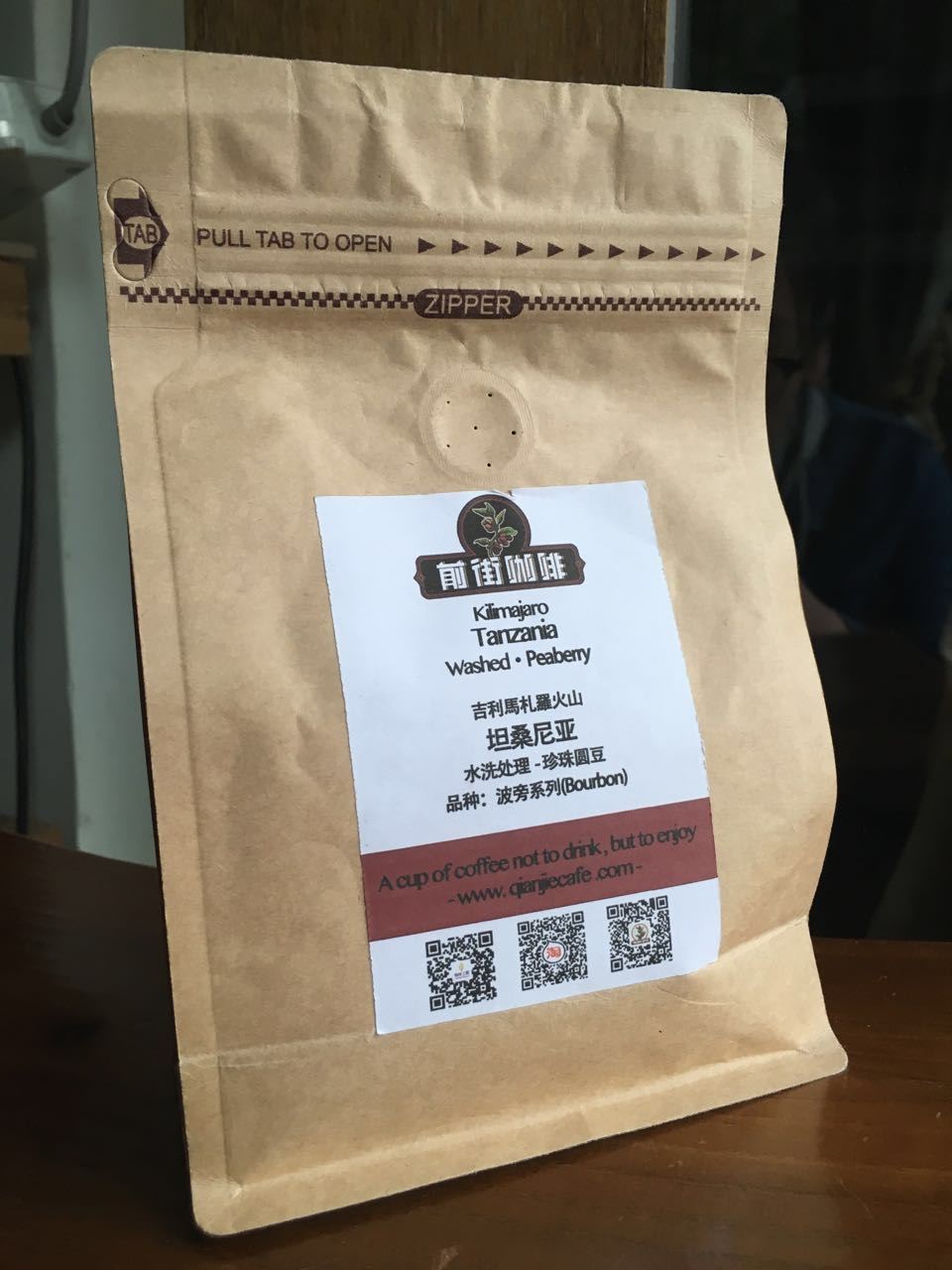
Tanzanian Coffee Beans: Flavor, Origin & What Makes Them Special
Discover Tanzanian coffee’s bright acidity, floral aroma, and unique cup profile. Learn why Chagga AA and washed beans from Kilimanjaro stand out.

How Tanzania Coffee Beans Are Washed Processed
Tanzania’s washed coffee beans develop bright acidity and floral aromas through a traditional water-based processing method. Learn how it’s done.

How Tanzania Processes Its Specialty Coffee
Tanzania’s high-quality washed Arabica is grown near Kilimanjaro, processed to highlight floral and citrus notes, and typically roasted light for bright acidity.