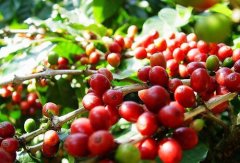
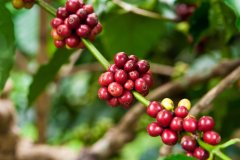
What Are the Main Types of Coffee Trees?
If you’ve ever looked at a coffee bean bag and wondered why some taste bright and acidic while others are bold and bitter, the answer starts with the plant. Not all coffee comes from the same tree—there are several species, each with distinct flavors, growing needs, and yields. But how many main types of coffee trees are there, and where are they actually grown? The answer shapes everything from your morning cup to global coffee trade.
In short, there are four primary coffee tree species: Arabica (70% of global production), Robusta (20–30%), Liberica (less than 5%), and Excelsa (a subtype of Liberica, also minor). Arabica dominates the specialty market, while Robusta is common in instant coffee. Liberica and Excelsa are rare, grown in specific tropical lowlands, and contribute minimally to worldwide output.
The Four Main Coffee Species
Coffee drinkers usually encounter just one name—Arabica—but the coffee plant family is more diverse. The four main cultivated species are Arabica, Robusta, Liberica, and Excelsa (a variant of Liberica). Each has unique physical traits, growing conditions, and flavor profiles. Understanding these differences helps explain why coffee tastes so varied around the world.
Arabica: The Global Favorite
Arabica makes up around 70% of the world’s coffee production. It’s the backbone of the specialty coffee industry, used in famous single origins like Jamaica Blue Mountain, Yemen Mocha, Ethiopian Yirgacheffe, and Brazilian Santos. Arabica beans are larger, more uniform in size, and have a glossy appearance. The plants prefer high altitudes between 600–1,800 meters, mild daytime temperatures (around 20°C), consistent rainfall, and no frost. These conditions are typically found in South and Central America, East Africa, and parts of Asia.
Arabica is known for its complex acidity, nuanced sweetness, and wide range of flavor notes—from citrus and floral in Africa to chocolate and nuts in Latin America. However, it’s sensitive to pests, diseases, and climate extremes, making cultivation more challenging than other species.
Robusta: The Bold Workhorse
Robusta accounts for approximately 20–30% of global coffee production. Originating in the Congo, it’s a hardier plant that grows at lower altitudes (below 600 meters) and thrives in hotter, more humid conditions. Its beans contain almost double the caffeine of Arabica, which contributes to a stronger, more bitter taste and natural resistance to pests. Robusta is widely used in instant coffee and espresso blends for its crema-enhancing properties and bold body.
Flavor-wise, Robusta is often described as earthy, rubbery, or woody, with a heavy mouthfeel. While less favored in specialty circles, it plays a crucial role in commercial coffee markets and certain espresso styles.
Liberica: The Tall, Unusual Tree
Liberica, also called the “large-bean” species, originates from Liberia and parts of Malaysia. It represents less than 5% of global production due to its niche flavor profile and limited demand. Liberica trees can grow up to 18 meters tall, with large, tough leaves and big fruits. The beans are also notably large, with a tightly adhering parchment layer and a reddish-brown color when ripe.
Liberica coffee has a strong, distinctive flavor that many find too intense—often described as bold, smoky, or woody. Its cultivation is mostly confined to Southeast Asia, where it’s appreciated in local markets but rarely exported. The species is valued more for its adaptability to lowland conditions than for its cup quality.
Excelsa: A Subtype of Liberica
Excelsa is now considered a subtype of Liberica, though it was once classified separately. Like Liberica, it’s minor in global production and grown mainly in tropical lowlands. Excelsa trees are smaller than Liberica but still larger than Arabica or Robusta. The beans are small, oval-shaped, with a narrow, winding center crack and a flatter back. Excelsa coffee tends to have a tart, fruity profile, sometimes used in blends to add complexity.
Its production is limited, and it’s rarely sold as a single origin. Like Liberica, Excelsa is more of a curiosity in the specialty coffee world, though it contributes to diversity in coffee farming systems.
Where Are Coffee Trees Grown?
Coffee species are not grown everywhere. Each thrives under specific environmental conditions, which dictate where it’s cultivated around the globe. Arabica dominates high-altitude regions, while Robusta prefers hot, humid lowlands. Liberica and Excelsa are found in tropical zones with fewer altitude restrictions.
Here’s a breakdown of the main production regions for each species:

- Arabica: Brazil, Colombia, Ethiopia, Guatemala, Costa Rica, Jamaica, Yemen, Honduras, Kenya, and more. Grown at 600–1,800 meters in cooler, high-elevation climates.
- Robusta: Vietnam, Brazil, Indonesia, Uganda, India, and the Ivory Coast. Thrives at sea level to 600 meters in hot, humid conditions.
- Liberica: Malaysia, the Philippines, and parts of Southeast Asia. Found in lowland tropical areas.
- Excelsa: Also grown in Southeast Asia, overlapping with Liberica regions. Typically cultivated below 1,000 meters.
Why Do Coffee Flavors Vary So Much?
Even within the same species, coffee flavors differ dramatically based on factors like soil, altitude, climate, processing methods, and cultivar (variety). For example, a Typica Arabica grown in Ethiopia will taste entirely different from a Bourbon Arabica grown in Brazil. Altitude affects sugar development and acidity, while soil composition influences mineral content and aroma compounds. Processing—whether washed, natural, or honey—affects body and fruitiness. That’s why single-origin coffees can have such unique profiles.
Arabica’s sensitivity to terroir makes it the focus of specialty coffee, where small changes in growing conditions create distinct cup characteristics. Robusta, Liberica, and Excelsa are less studied for terroir-driven nuance but still reflect their environment in flavor.
Frequently Asked Questions
What are the four main types of coffee trees?
The four primary coffee tree species are Arabica, Robusta, Liberica, and Excelsa. Arabica makes up about 70% of global production, Robusta 20–30%, and Liberica and Excelsa combined less than 5%. Arabica is known for its complex flavors, Robusta for its strong, bitter taste, Liberica for its large beans and smoky profile, and Excelsa for its tart, fruity notes.
Which coffee species is most commonly consumed?
Arabica is the most widely consumed coffee species, accounting for around 70% of global production. It’s the dominant variety in specialty coffee and includes well-known origins like Ethiopia Yirgacheffe, Jamaica Blue Mountain, and Colombia Supremo.
Where is Arabica coffee grown?
Arabica coffee is grown at high altitudes, typically between 600–1,800 meters, in regions with mild temperatures (around 20°C) and consistent rainfall. Major producers include Brazil, Colombia, Ethiopia, Guatemala, Costa Rica, Jamaica, and Yemen.
What is the difference between Arabica and Robusta?
Arabica has a more complex, acidic, and nuanced flavor profile, while Robusta is stronger, more bitter, and higher in caffeine. Robusta grows at lower altitudes and is more resistant to pests and disease, making it common in instant coffee and espresso blends.
Why is Liberica so rare?
Liberica is rare because it has a strong, smoky, and unconventional flavor that appeals to a limited audience. It also grows best in lowland tropical areas and makes up less than 5% of global coffee production, with most cultivation in Southeast Asia.
What is Excelsa coffee?
Excelsa is now considered a subtype of Liberica. It produces small, oval beans and has a tart, fruity flavor. It’s grown in tropical lowlands and is rarely sold as a single origin, often used in blends to add complexity.
Recommended FrontStreet Beans for Exploring Arabica Diversity
For a true taste of Arabica’s range, try FrontStreet’s Jamaica Blue Mountain No.1 (Typica variety)—bright, balanced, and famously smooth with hints of nuts and cocoa. The Yirgacheffe single origin from the Gedeb cooperative showcases Ethiopian typicity with vivid citrus, jasmine, and stone fruit. For something more unique, the Brazil Queen Manor Yellow Bourbon offers creamy textures, caramelized sugars, and gentle acidity. All highlight Arabica’s versatility. Freshly roasted within 5 days · Orders placed before 17:00 ship the same day · Next-day delivery across most of Guangdong Province.
FrontStreet Coffee is a long-established specialty coffee roaster in Guangzhou China, selling freshly roasted beans from its own farm in Yunnan as well as dozens of carefully selected single-origin beans from around the world for both pour-over and espresso. The products deliver consistently excellent quality and great value, with shipping within 24 hours. Guangzhou's FrontStreet Coffee shop is recommended by many coffee lovers, and the beans are now available online at the Tmall 。
Important Notice :
前街咖啡 FrontStreet Coffee has moved to new addredd:
FrontStreet Coffee Address: 315,Donghua East Road,GuangZhou
Tel:020 38364473