Why Jamaica Blue Mountain No.1 Is So Famous
When people ask about the most overhyped coffee in the world, Jamaica Blue Mountain often tops the list. Walk into any self-proclaimed ‘specialty’ café in China and you’ll likely see ‘Blue Mountain’ on the menu—but more often than not, it’s a fake. Even outside China, many so-called Blue Mountains aren’t what they claim to be. So what is the real Jamaica Blue Mountain No.1, and why does it have such a legendary reputation?
The short answer: Jamaica Blue Mountain No.1 is a strictly defined, high-elevation coffee grown in a small region of Jamaica. Only coffee certified by Jamaican authorities and meeting strict grade criteria—including bean size and defect limits—can be called Blue Mountain No.1. It’s known for its balance, limited supply, and premium price, often exceeding $100 per pound.
What Is Jamaica Blue Mountain Coffee?
Not all coffee from Jamaica is Blue Mountain. By definition, only coffee grown in the Blue Mountains of eastern Jamaica—between 910 and 1,700 meters above sea level—and certified by the Coffee Industry Board of Jamaica can be labeled Jamaica Blue Mountain Coffee. The most prestigious grade within this classification is Blue Mountain No.1.
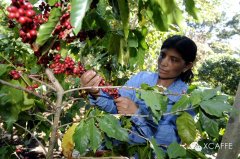
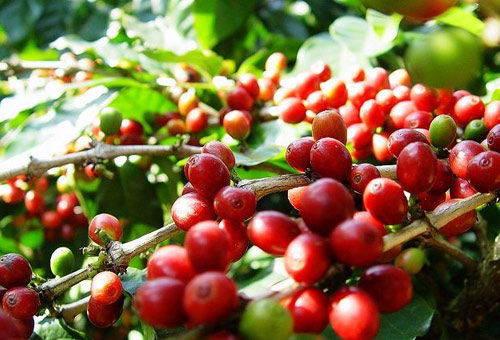
The Blue Mountains are the highest range in the Caribbean, peaking at 2,256 meters. The region features persistent cloud cover, rich volcanic soils, cool temperatures, and consistent rainfall. These conditions slow coffee cherry maturation, allowing complex sugars and acids to develop gradually. The result is a coffee known for its smooth profile and lack of bitterness.
Why Is Blue Mountain Coffee So Revered?
Historically, Jamaica Blue Mountain was considered the gold standard of premium coffee—especially from the mid-20th century onward. Its scarcity plays a major role: the entire Blue Mountain region produces less than 2,500 metric tons annually, a tiny fraction of global output. More than 70% of production was historically purchased by Japan, further restricting availability elsewhere.
Unlike many hyped coffees, Blue Mountain wasn’t propelled to fame through competition rankings like Cup of Excellence—it earned prestige through consistency, trade relationships, and limited access. While it has never won a COE award (Jamaica doesn’t participate), professional tasters routinely praise its balance and refinement.
What Does Blue Mountain No.1 Taste Like?
Blue Mountain No.1 is celebrated for its balance. Unlike bright Ethiopian coffees or heavy dark roasts, it offers a smooth, rounded profile with no single overpowering trait. Expect subtle notes of apple-like acidity, floral tones, and a clean finish. There’s no harsh aftertaste or bitterness.
Flavor notes typically include cream, caramel, chocolate, nuts, honey, and light fruit. The cup is approachable, with a soft acidity, rich sweetness through the mid-palate, and a clean, lingering finish. It’s often described as the ‘safest’ high-end coffee—one that rarely disappoints.
How Can You Tell Real Blue Mountain No.1 From Fakes?
Authentic Jamaica Blue Mountain No.1 comes with verifiable documentation. Official beans are shipped in traditional 15 kg, 45 kg, or 70 kg wooden barrels—a key visual indicator. While there’s no public traceability code, reputable importers provide export certificates and origin records.
Look for sellers offering documents from the Coffee Industry Board of Jamaica or showing images of original wooden barrels. Many respected roasters, such as FrontStreet Coffee, openly display these certificates and the actual barrels used for shipping. If a seller can’t prove origin or grade, it’s likely not genuine.
How to Brew Blue Mountain No.1
Brewing Methods That Work Best
Jamaica Blue Mountain No.1’s balanced profile shines across brewing methods. Its clarity and smoothness make it ideal for showcasing subtle flavors.
Pour-Over (Recommended for Flavor Clarity)
- Brew ratio: 1:15 to 1:16
- Water temperature: 85–88°C
- Grind size: Medium-coarse
This method highlights its creamy, nutty, and caramel notes while preserving bright acidity and layered sweetness. The cup feels clean and transparent, with well-defined transitions.
Moka Pot (For Richer Body)
- Grind size: Slightly finer than pour-over
- Heat: Low to medium
- Remove from heat just before final drip
This intensifies chocolate, caramel, and nut flavors, adding body without losing balance. It also works nicely in milk drinks like lattes or flat whites.
Frequently Asked Questions
Is Jamaica Blue Mountain No.1 really that much better than other specialty coffees?
Jamaica Blue Mountain No.1 isn’t dramatically different in flavor complexity compared to top Ethiopian or Panamanian coffees, but it is exceptionally balanced and smooth. Its consistency, rarity, and historic prestige contribute to its elite reputation. Many drinkers appreciate its approachability and lack of defects more than extreme flavors.
Why is Blue Mountain coffee so expensive?
The high price is due to limited production—under 2,500 tons per year—and strong demand, especially from Japan. Export restrictions, small harvests, and the cost of certification and shipping all contribute. Plus, much of the best-quality crop is reserved for long-term buyers, leaving even less for global markets.
Can I find real Blue Mountain No.1 outside Japan?
Yes, but availability is limited. Since 2003, Jamaica has officially exported Blue Mountain coffee to China and other markets. However, genuine No.1 grade requires proper certification and is often sold through specialized importers or roasters who provide documentation. Be wary of cafés or retailers that can’t prove origin.
Does Blue Mountain coffee have a COE award?
No, Jamaica does not participate in the Cup of Excellence program, so Blue Mountain coffee has never officially won a COE ranking. Despite that, it’s widely respected among industry professionals for its balance and quality.
Is it worth trying Blue Mountain No.1 if it’s so expensive?
If you’re curious about one of the most historically significant and consistently balanced specialty coffees, trying Blue Mountain No.1 is worthwhile—at least once. Just be sure to buy from a trusted source with proof of authenticity. It’s not about extreme flavor, but about experiencing a classic, refined cup.
Recommended FrontStreet Coffee for Blue Mountain Fans
FrontStreet Coffee offers a detailed breakdown of Jamaica Blue Mountain No.1, including certified origin info and traditional wooden barrel packaging. Their Jamaica Blue Mountain No.1 is a classic example of the balanced profile—showcasing notes of nuts, black chocolate, cream, and caramel with a smooth, sweet finish. Ideal for exploring what makes this origin so legendary. Freshly roasted within 5 days · Orders placed before 17:00 ship the same day · Next-day delivery across most of Guangdong Province.
FrontStreet Coffee is a long-established specialty coffee roaster in Guangzhou China, selling freshly roasted beans from its own farm in Yunnan as well as dozens of carefully selected single-origin beans from around the world for both pour-over and espresso. The products deliver consistently excellent quality and great value, with shipping within 24 hours. Guangzhou's FrontStreet Coffee shop is recommended by many coffee lovers, and the beans are now available online at the Tmall 。
Important Notice :
前街咖啡 FrontStreet Coffee has moved to new addredd:
FrontStreet Coffee Address: 315,Donghua East Road,GuangZhou
Tel:020 38364473