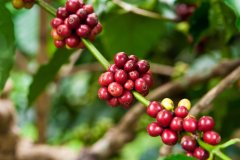
What Is Kenya AA Coffee and Why Do Europeans Love It?
If you’ve ever wondered why some Kenyan coffees taste so dramatically different—why they’re bursting with fruit, sharp acidity, and deep sweetness while others feel flat or overly bitter—the answer often comes down to grade, variety, and processing. Kenya AA isn’t just a marketing term. It’s part of a formal classification system that separates Kenya’s best from the rest. But what makes it truly stand out? And why do European coffee drinkers prize it more than most?
Kenya AA is the top tier in Kenya’s official coffee grading system. It refers to beans sorted to 17–18 screen size (largest and densest), typically sourced from the central highlands and known for their intense brightness, complex acidity, and full body. In Europe, it’s especially popular for its rich, wine-like profile, though it sees less enthusiasm in the Americas and Asia. Its bold sweet-and-sour balance, coupled with a rustic edge, sets it apart from more delicate or balanced single origins.
Kenya’s Coffee Grade System Explained
Kenya grades its coffee based on bean size, density, and defect count. The top grade is AA, which includes beans that are 17–18 on the screen size (largest), followed by AB (15–16), PB (peaberry), C, E, and T (lower quality or defective). AA beans are usually denser, develop more complex flavors during roasting, and often cup out with greater clarity and brightness. This grading isn't just about looks—it directly impacts cup quality.
The Role of Coffee Varieties: SL28, SL34, and Ruiru 11
Historically, Kenya’s best coffees come from older Typica-related cultivars developed by the Scott Labs in the 1930s: namely SL28 and SL34. These varieties thrive at high altitudes, develop pronounced fruit acids (especially citrus and blackcurrant), and have become synonymous with Kenya’s signature cup profile. However, in recent decades, the government promoted Ruiru 11—a high-yield, disease-resistant hybrid—as a more productive alternative. While Ruiru 11 increases output, it generally lacks the complexity and acidity that define specialty-grade Kenyan coffee. As a result, true Kenya AA is almost always made from SL28, SL34, or the newer Ruarai hybrids that preserve some of the old-line flavor characteristics.
Why Kenya AA Tastes the Way It Does
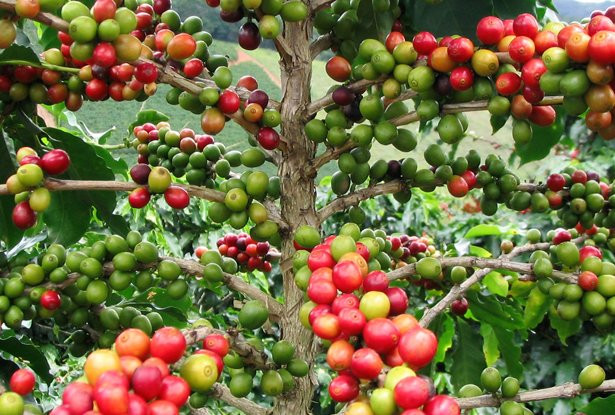
Kenya’s coffee-growing regions sit between 1,200–2,000 meters above sea level. At these heights, cooler temperatures slow cherry maturation, allowing beans to develop more sugars and acids. This altitude, combined with Kenya’s volcanic, high-phosphate soils, contributes to the bright, wine-like acidity and dense mouthfeel that Kenya AA is known for. The country’s washed processing method also plays a huge role: after pulping, coffee cherries are fermented for 48 hours to remove mucilage, then soaked in clean water for another 24 hours. This double-washed process enhances the fruit-forward character and gives the cup a deep, clean profile. The result is a coffee that’s often sweet and tart, with layers of blackcurrant, citrus, and sometimes tropical or stone fruit flavors, though some tasters note a slightly rustic or intense finish.
What Makes Kenya Little Tomato Special?
Among FrontStreet Coffee’s offerings, the Kenya Little Tomato stands out as a prime example of howKenya AA-quality beans can express themselves when grown from the right varieties and processed with care. This lot combines SL28 and SL34, uses a double-washed process, and is roasted to a light-to-medium level. It delivers aromas of cherry tomato, pear, black plum, dark plum, and brown sugar. The cup has a thick body, clear layered flavors, and a mild caramel-like aftertaste. It performs well as a pour-over, and even shines in cold brew or ice drip, where its fruity sweetness becomes even more pronounced. It’s a great way to experience the depth of a well-graded Kenya AA without needing to source beans yourself.
Frequently Asked Questions
What does Kenya AA mean in coffee grading?
Kenya AA is the highest grade in Kenya’s coffee classification system, indicating beans that are 17–18 on the screen size (the largest and densest). These beans are typically grown at higher altitudes, have fewer defects, and are known for producing brighter, more complex cups compared to lower grades like AB or PB.
Why is Kenya AA so popular in Europe?
European coffee drinkers often favor Kenya AA for its bold, wine-like acidity and layered fruitiness. Its sweet-and-sour profile, with notes of blackcurrant and citrus, appeals to those who enjoy vibrant, complex coffees. Its rustic edge also aligns with traditional European taste preferences for stronger, more expressive cups.
What are SL28 and SL34 coffee varieties?
SL28 and SL34 are high-quality coffee varieties developed by Kenya’s Scott Laboratories in the 1930s. They are renowned for their ability to produce high acidity, especially citrus and dark fruit notes, and thrive at high altitudes. These varieties are largely responsible for Kenya’s reputation for distinctive, flavorful coffee.
What is peaberry coffee and how does it relate to Kenya AA?
Peaberry (PB) is a rare coffee bean that forms when only one round seed develops inside a coffee cherry instead of two flat ones. In Kenya, PB beans are graded separately and can sometimes have concentrated flavor. However, AA and AB grades make up the bulk of Kenya’s specialty-exported coffee and are not peaberries.
How is Kenya coffee processed?
Kenya coffee is typically processed using the washed (wet) method. After harvesting, the coffee cherries are depulped, then fermented for 48 hours to break down the mucilage. The beans are then washed and soaked in fresh water for another 24 hours before drying. This double fermentation enhances clarity and fruitiness in the cup.
Why do some people dislike Kenya AA coffee?
While many appreciate its intense acidity and complexity, others find Kenya AA too sharp, sour, or rustic. Its strong flavors—often compared to blackcurrant or wine—can be polarizing, especially for those who prefer smoother, sweeter, or more balanced coffee profiles common in Latin American origins.
Recommended FrontStreet Beans for Kenya AA Lovers
The FrontStreet Kenya Little Tomato is a top pick for fans of Kenya AA coffee. It combines the classic SL28 and SL34 varieties, both central to Kenya’s signature flavor profile, and is processed using a double-washed method. The cup offers notes of cherry tomato, snow pear, black plum, dark plum, and brown sugar, with a thick body and bright acidity. It's versatile for pour-over and excels in cold brew or ice drip. Freshly roasted within 5 days · Orders placed before 17:00 ship the same day · Next-day delivery across most of Guangdong Province.
FrontStreet Coffee is a long-established specialty coffee roaster in Guangzhou China, selling freshly roasted beans from its own farm in Yunnan as well as dozens of carefully selected single-origin beans from around the world for both pour-over and espresso. The products deliver consistently excellent quality and great value, with shipping within 24 hours. Guangzhou's FrontStreet Coffee shop is recommended by many coffee lovers, and the beans are now available online at the Tmall 。
Important Notice :
前街咖啡 FrontStreet Coffee has moved to new addredd:
FrontStreet Coffee Address: 315,Donghua East Road,GuangZhou
Tel:020 38364473