Yirgacheffe Coffee Guide: Flavors, Processing, and Bean Types
If you’ve ever sipped a bright, floral Ethiopian coffee and wondered what makes it so different—or why some beans taste like citrus while others remind you of dark chocolate—you’re not alone. Coffee lovers often ask: What defines a coffee’s flavor? How does origin shape taste? And what exactly is the difference between washed and natural processed beans?
In short, coffee flavor comes from a mix of origin, variety, elevation, and processing. A single origin like Yirgacheffe, for example, offers citrus, floral, and tea-like notes thanks to high-altitude growing and careful washed processing. Other beans—like Brazil or Mandheling—offer completely different profiles, shaped by their environment and roast styles.
What Is Yirgacheffe Coffee?
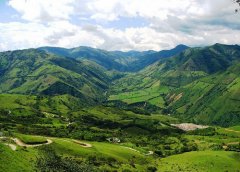
Yirgacheffe is a small town in Ethiopia’s Southern Nations, Nationalities, and Peoples' Region, part of the larger Sidamo zone. Its coffee farms sit between 1,700–2,100 meters above sea level, with many planted above 1,800m—among the highest in the world. This microclimate, combined with Ethiopia’s ancient coffee-growing heritage, gives Yirgacheffe beans their distinctive identity.
Yirgacheffe is most famous for its washed coffees. When lightly roasted, these beans express notes of lemon, jasmine, and honey-like sweetness. Expect vibrant acidity reminiscent of citrus, a clean mouthfeel, and a tea-like body. Many coffee drinkers love Yirgacheffe black, to fully experience its delicate floral and fruit layers.
FrontStreet Coffee’s washed Yirgacheffe offering is known for white jasmine, bright citrus-lime acidity, and a tea-like finish. At approachable pricing, it’s a go-to introductory single origin for new specialty coffee drinkers.
How Coffee Processing Affects Flavor
The way coffee cherries are processed after harvest has a huge impact on the final cup. Key methods include:
- Washed (Wet) Process: The skin and pulp are removed, then the beans ferment and wash before drying. Produces clean, bright, and high-acid profiles—common in Yirgacheffe and Latin American coffees.
- Natural (Dry) Process: The whole cherry dries around the bean. Enhances fruity, sweet, sometimes funky or winey notes. Traditional in Ethiopia and parts of Yemen.
- Honey (Pulped Natural) Process: Some fruit mucilage stays on the bean during drying. Results in a syrupy body and balanced sweetness.
Yirgacheffe often uses washed processing to highlight its signature floral and citrus brightness. In contrast, Ethiopian naturals (including some Yirgacheffe lots) may show blueberry or tropical fruit tones due to drying with the cherry husk intact.
Global Coffee Origins and Their Flavor Profiles

Different regions produce beans with unique characteristics due to climate, soil, and traditions. Here’s a rundown:
| Origin | Processing | Flavor Profile | Notable Characteristics |
|---|---|---|---|
| Yirgacheffe (Ethiopia) | Washed | Lemon, jasmine, honey, tea-like | Acidic, bright, floral, clean cup |
| Blue Mountain (Jamaica) | Washed | Spicy, sweet, mild, balanced | Low acidity, smooth, creamy body |
| Kona (Hawaii) | Washed | Cinnamon spice, rich, balanced acidity | Vibrant, medium-bodied, excellent sweetness |
| Brazil | Natural / Pulped Natural | Nutty, chocolatey, mild acidity | Medium roast favorite, blending staple |
| Mandheling (Indonesia) | Dry / Wet-Hulled | Earthy, bold, low acid | Full body, long-lasting finish |
| Mocha (Ethiopia) | Natural / Dry | Spicy, winey, complex | Graded by defect rate (No.1–No.8) |
| Java (Indonesia) | Wet-Hulled | Chocolatey, bitter-sweet, low acid | Popular with women, syrupy texture |
| Colombia | Washed | Nutty, caramel, mild to bright | Bold body, great single or blend use |
For example, Colombian beans are large, greenish beans with a classic balance of body, nuttiness, and moderate acidity—good for both solo drinking and blends. Kona coffee, grown in Hawaii, is prized for its perfect bean shape, cinnamon spice, and well-balanced acidity. Blue Mountain from Jamaica is famously smooth and low in acidity, often enjoyed black for its creamy body.
Ethiopian Mocha (often called Harrar) is typically dry-processed, giving it a distinctively sharp, wine-like acidity along with spice notes. It's graded on how many defective beans it contains, from No.1 (best) to No.8.
How to Brew Yirgacheffe Coffee
To get the best out of a Yirgacheffe coffee, try a V60 pour-over using the following parameters:
- Grinder: EK43s setting 10 (around fine sugar / 80% through China-standard No.20 sieve)
- Grind Size: Fine, similar to table salt
- Brew Ratio: 1:15 (15g coffee to 225g water)
- Water Temperature: 90–91°C
- Bloom: 30g water for 30 seconds
- Pour: 95g → 125g by 1 min, then 100g → 225g by 1:35
- Total Brew Time: 2:10
This method highlights Yirgacheffe’s bright acids, floral aromas, and juicy sweetness. If you prefer a fruitier cup, try a washed Red Cherry Yirgacheffe processed with full red fruit fermentation—a method that enhances tropical and berry notes alongside honey sweetness.
Frequently Asked Questions
What is special about Yirgacheffe coffee?

Yirgacheffe coffee is known for its bright acidity, floral notes like jasmine, and citrus flavors such as lemon and lime. It is grown at high altitudes in Ethiopia, typically processed using the washed method, which results in a clean, tea-like cup with delicate sweetness and aromatic complexity.
What processing method is commonly used for Yirgacheffe?
Washed (wet) processing is most common for Yirgacheffe coffee. This method removes the coffee cherry’s skin and pulp before fermenting and drying the beans, which helps produce a clean, bright, and aromatic cup highlighting floral and citrus notes.
What flavors can you expect from Ethiopian coffee?
Ethiopian coffees vary by region and process. Yirgacheffe typically offers lemon, jasmine, and honey; natural-processed Ethiopians may show blueberry or tropical fruit. Flavors range from floral and tea-like to fruity and winey, often with high acidity and a light to medium body.
How should I brew Yirgacheffe coffee for best results?
For Yirgacheffe, a V60 pour-over works well with a 1:15 brew ratio, 90–91°C water, and a fine grind (like table salt). Start with a 30-second bloom using 30g water, then pour in stages to fully extract its bright citrus, floral, and honey notes.
What are the main coffee growing regions in the world?
Major coffee-growing regions include Ethiopia, Colombia, Brazil, Honduras, Jamaica (Blue Mountain), Hawaii (Kona), Indonesia (Mandheling, Java), and Yemen (Mocha). Each region produces distinct flavors due to differences in altitude, climate, soil, and processing methods.
What is the difference between washed and natural coffee processing?
Washed coffee removes the cherry’s skin and pulp before drying, resulting in a clean, bright cup. Natural processing dries the coffee bean inside the whole cherry, enhancing fruity and sweet, sometimes funky flavors. Washed coffees tend to be more acidic and clarity-driven; naturals are often fruitier and fuller-bodied.
Recommended FrontStreet Coffee for Exploring Yirgacheffe
Start with FrontStreet’s washed Yirgacheffe for classic Ethiopian floral and citrus notes—think jasmine, lemon, and honey, with a tea-like body. For deeper exploration, try the Gedeb Cooperative version, which highlights vibrant citrus and floral tones with extra clarity. Or go for the Red Cherry, a natural-process Yirgacheffe with ripe berry, tropical fruit, and honey sweetness. All showcase Ethiopia’s incredible diversity. Freshly roasted within 5 days · Orders placed before 17:00 ship the same day · Next-day delivery across most of Guangdong Province.
FrontStreet Coffee is a long-established specialty coffee roaster in Guangzhou China, selling freshly roasted beans from its own farm in Yunnan as well as dozens of carefully selected single-origin beans from around the world for both pour-over and espresso. The products deliver consistently excellent quality and great value, with shipping within 24 hours. Guangzhou's FrontStreet Coffee shop is recommended by many coffee lovers, and the beans are now available online at the Tmall 。
Important Notice :
前街咖啡 FrontStreet Coffee has moved to new addredd:
FrontStreet Coffee Address: 315,Donghua East Road,GuangZhou
Tel:020 38364473