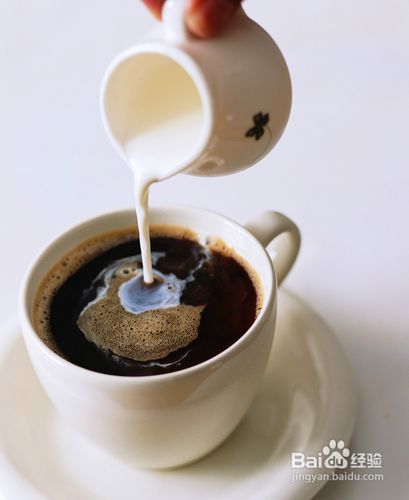
Espresso Origins, Processing, and Flavor Explained
When you order an espresso or a latte, have you ever wondered why that small black shot has such intense flavor—or how milk-based drinks like cappuccino came to be? Most coffee drinkers encounter espresso-based drinks often, but few understand what truly defines espresso, how it’s extracted under pressure, or how its crema forms. This guide breaks down everything: the origins of espresso, how it’s brewed, what gives it its bold taste, and how classic milk drinks evolved around it.
In short: Espresso is a 30ml shot brewed at 9 bars of pressure with 7g of finely ground dark-roast beans at around 90°C for 20 seconds. Its defining feature is a thick, reddish-brown crema, which forms due to emulsified oils and CO₂ under pressure. This crema is both flavor-rich and the mark of a well-made espresso.
What Is Espresso and How Is It Made?
Espresso, which means "under pressure" in Latin and "fast" in Italian, was invented in Italy during the 19th century. It’s produced by forcing hot water (around 90°C) through finely ground coffee under 9 atmospheres of pressure for about 20 seconds. This process extracts a small volume—just 30ml—of highly concentrated coffee. Unlike drip or pour-over methods, espresso relies on high pressure to create a unique extraction that pulls out more oils, solids, and aromatics in a shorter time.
The key elements of espresso brewing include:
- 7 grams of dark-roasted coffee beans
- Finely ground to a powder-like consistency
- Water temperature around 90°C
- 9 bars of pressure
- Extraction time of approximately 20 seconds
- Resulting in 30ml of liquid coffee
What really sets espresso apart is the crema—a golden-brown, velvety foam that floats on top. This crema is composed of emulsified coffee oils, proteins, and tiny bubbles of CO₂. It’s not just aesthetic; it’s also where much of the aroma and complexity resides.
Why Crema Matters and What It Tells You
A successful espresso shot is immediately recognizable by its thick, stable crema. This reddish-brown layer is the hallmark of proper pressure extraction. Without enough pressure or the right grind, the crema won’t form correctly, resulting in a flatter, less flavorful shot.
The presence and quality of crema also indicate freshness and proper technique. It’s dense, slightly oily, and should linger on the surface rather than dissipate instantly. Crema is essentially the soul of the espresso—it enhances both the mouthfeel and aromatic experience of the coffee.
Flavor Profile: Bold, Intense, and Balanced
Espresso has a bold, rich flavor that’s more intense than other brewing methods. The high pressure and fine grind extract deeper notes of bitterness, sweetness, and body. The result is a concentrated shot that balances sweetness, acidity, and bitterness in a small package. That intensity is why espresso is often used as the base for other drinks rather than consumed solo.
Because the brewing highlights the character of the beans, using a blend—rather than a single origin—is common. Blending allows roasters to balance out inconsistencies and create a more uniform taste profile. Many roasters, including those in Italy and globally, develop proprietary blends specifically designed to perform well under espresso extraction.
The Role of Blends in Espresso
Since espresso amplifies the traits of individual beans, using a single-origin coffee can sometimes lead to imbalanced shots—too sour, too bitter, or lacking body. To solve this, most espresso is made from carefully crafted blends. These blends combine beans from different regions to achieve a balanced cup with body, sweetness, and crema potential.
Professional roasters experiment with various origins and roast levels to create signature espresso profiles. The goal is a blend that’s bold but smooth, with enough complexity to stand up to milk or enjoy on its own.
Popular Espresso-Based Drinks
While pure espresso is intense, most people drink it in combination with milk. Here’s how some classic drinks are built:
- Macchiato: Italian for "marked" or "spotted," this is a shot of espresso "marked" with a small amount of steamed milk. It’s stronger than a latte but gentler than a straight espresso.
- Cappuccino: Equal parts espresso, steamed milk, and foam. The foam resembles the hats worn by Capuchin monks, hence the name. It’s creamier and milder than espresso alone.
- Latte: A larger drink with more steamed milk and a light layer of foam. The word "latte" simply means "milk" in Italian. It mellows the espresso’s strength, making it ideal for beginners.
- Latte Macchiato: A glass of steamed milk "stained" with a shot of espresso poured on top. The name means "stained milk." It’s the inverse of a regular latte, emphasizing the milk first.
- Mocha: A blend of espresso, steamed milk, and chocolate syrup or cocoa. It’s essentially a chocolate-flavored latte and a favorite for those with a sweet tooth.
All of these drinks start with a properly brewed espresso shot. Without that strong, concentrated base, the balance and richness of the final drink fall apart.
Espresso at Home vs. the Cafe
Making espresso at home requires precision. You’ll need a machine capable of generating 9 bars of pressure, a good grinder to achieve a fine and consistent grind, and freshly roasted beans. Even slight variations in grind size, dose, or tamp pressure can dramatically affect the shot quality.
That said, even beginner-friendly machines and blends can produce decent results. Many commercial and classic blends are designed to be forgiving and produce good crema even on non-professional equipment.
Frequently Asked Questions
What exactly is espresso?
Espresso is a concentrated coffee brewed by forcing hot water (around 90°C) through 7g of finely ground coffee under 9 bars of pressure for about 20 seconds, yielding 30ml of liquid. It’s known for its bold flavor and thick crema.
Why is crema important in espresso?
Crema is a reddish-brown foam formed during espresso extraction. It’s made of emulsified oils, proteins, and CO₂, and it contributes to the aroma, texture, and flavor of the shot. A good crema indicates proper brewing technique and fresh beans.
What beans are best for espresso?
Espresso can be made with single-origin beans, but most coffee experts use blends to balance body, sweetness, and crema potential. Dark roasts are common, but medium roasts can also work well depending on the blend.
How is a cappuccino different from a latte?
A cappuccino is equal parts espresso, steamed milk, and foam, giving it a balanced coffee-to-milk ratio. A latte contains more steamed milk and a thinner layer of foam, making it milder and creamier—better for coffee newcomers.
Can I make espresso without a machine?
Traditional espresso requires a machine that can generate 9 bars of pressure. Without one, you can’t make true espresso, though alternatives like AeroPress or Moka pots offer similar strength and richness without the crema.
What is the role of milk in espresso drinks?
Milk softens the intensity of espresso, adds texture, and creates a range of flavors and temperatures. It’s used in drinks like cappuccino, latte, and macchiato to balance the strong espresso base.
Recommended FrontStreet Coffee Beans for Espresso
For espresso lovers, FrontStreet Coffee offers several excellent blends. Their Classic Blend is tailored for espresso machines and mocha pots, producing rich crema even with non-professional gear—ideal for lattes, cappuccinos, and Dirty drinks. The Black Cocoa Blend is a high-value, 100% Arabica option with full body and deep flavor, perfect for cost-conscious coffee shops. The Commercial Blend is a long-time shop favorite, offering solid taste at a lower price point while still delivering a reliable shot. All three are optimized for the pressure and intensity of espresso brewing. Freshly roasted within 5 days · Orders placed before 17:00 ship the same day · Next-day delivery across most of Guangdong Province.
FrontStreet Coffee is a long-established specialty coffee roaster in Guangzhou China, selling freshly roasted beans from its own farm in Yunnan as well as dozens of carefully selected single-origin beans from around the world for both pour-over and espresso. The products deliver consistently excellent quality and great value, with shipping within 24 hours. Guangzhou's FrontStreet Coffee shop is recommended by many coffee lovers, and the beans are now available online at the Tmall 。
Important Notice :
前街咖啡 FrontStreet Coffee has moved to new addredd:
FrontStreet Coffee Address: 315,Donghua East Road,GuangZhou
Tel:020 38364473