
Coffee Farm
Latest articles, industry insights and brewing guides

How to Roast Costa Rican Coffee Beans Properly
Roast Costa Rican coffee beans to medium-light levels for balanced sweetness and acidity. Control first crack and development time to highlight origin character.

How to Roast Papua New Guinea Coffee Beans
Learn the ideal roast level and profile for Papua New Guinea beans to highlight their balanced acidity and fruity sweetness.

How Coffee Beans Are Processed, Roasted & Brewed
From picking to roasting, learn how green coffee beans become drinkable—plus how tools like pour-over setups shape your cup.

What Makes Coffee Bean Origins Unique?
Explore how coffee origins like Ethiopia’s Yirgacheffe and Sidamo shape unique flavors, elevations, and processing styles that define each region’s beans.

How Coffee Beans Are Made: From Fruit to Green Bean
Learn how red coffee cherries become green coffee beans through either washed or natural processing methods, each affecting flavor differently.
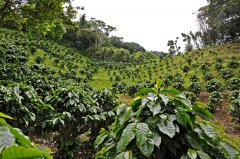
San Marcos: Guatemala’s Hottest Coffee Region
San Marcos is Guatemala’s warmest and rainiest coffee region, with over 200 inches of annual rainfall and early flowering. Here’s how it shapes the beans.

Washed Process Coffee from Fraijanes Plateau, Guatemala
Learn how high-altitude washed coffee from Guatemala’s Fraijanes Plateau develops bright acidity and clean flavors through careful processing and drying.

The Origins of Bali Coffee in Indonesia
Explore the romanticized history of Bali coffee, from 19th-century French diplomacy to its elite Parisian café legacy.
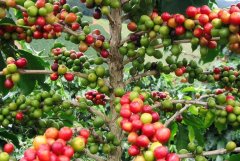
SASINI Estate Kenya AA Coffee Profile
Explore the SASINI Estate in Kenya’s Kiambu region, known for high-altitude SL28 beans with bright blueberry and citrus notes.
Rainforest Cobán: Guatemala’s Washed Coffee Region
Explore the washed-process Guatemalan coffee from the cool, cloudy Rainforest Cobán region — known for bright fruit, balanced body, and clean aromas.

Tanzanian Coffee Origins and Processing Methods
Learn where Tanzania’s high-quality coffee comes from, how it’s processed, and what makes its washed AA beans so aromatic and bright.
When Did Rwandan Coffee Enter the Global Market?
Rwandan coffee began gaining global recognition in the early 2000s, driven by high-altitude Bourbon-grown beans processed through premium washed methods.
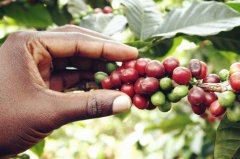
Atitlán: One of Guatemala’s Five Volcanic Coffee Regions
Atitlán is one of Guatemala’s five major volcanic coffee-growing zones, known for fertile soils, lake breeze effects, and complex cup profiles.

What Makes Each Coffee Variety Unique? Flavor Guide
Explore key flavor traits of 11 coffee varieties like Salvadoran, Hawaiian, Brazilian, and more. Learn roast preferences and taste profiles for each.

What Are the Different Coffee Bean Characteristics?
Explore the flavor profiles and roast traits of 14 global coffee origins — from Brazil to Kenya — with key notes for every bean.
What Are the Tastes of Coffee Beans? Best for Pour Over
Explore the flavor profiles of major global coffee beans and find out which types shine in pour-over brewing with recommended single origins.
What Makes Kenyan Coffee Unique and How Is It Grown?
Kenyan coffee is famed for high-altitude AA+ beans with bright acidity and winey notes. Learn why Kenya’s strict coffee regulations and SL varietals deliver such distinctive flavor.
Ethiopian Coffee History and Grading Explained
Learn how Ethiopia’s coffee regions, processing methods, and historic grading system shape today’s global specialty market.

Colombian Coffee Growing Regions and Culture Explained
Learn why Colombia is the world’s second-largest coffee producer, its ideal growing conditions, and how geography shapes its coffee quality.

Origins of Coffee Varieties and Their Unique Flavors
Explore the origins of different coffee varieties like Panamanian Geisha and learn how they develop unique flavor profiles based on growing conditions.