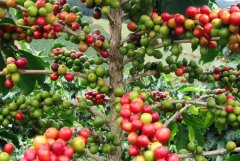
Rainforest Cobán: Guatemala’s Washed Coffee Region
If you’ve ever sipped a washed Guatemalan coffee and wondered how its crisp fruitiness and clean finish come to life, the answer starts long before roasting — in how the beans are processed after harvest. Processing determines whether your cup tastes clean or funky, sweet or sour. For the Rainforest Cobán region, the washed method is king, but getting it right isn’t simple.
The key number? Processed beans must reach a final moisture content of 11–13% to avoid mould or stale flavours. Too dry, and the coffee loses vibrancy; too wet, and mould sets in. That small range makes all the difference.
What Is Rainforest Cobán Coffee?
Rainforest Cobán® is a trademarked coffee-growing region in Guatemala defined by its unique microclimate. This area is perpetually overcast and rainy, creating consistently cool conditions. Most of its coffee farms sit on rolling, fog-shrouded hillsides rich in limestone and clay soils influenced by the Atlantic basin. The region experiences just two seasons: rainy and more rainy.
Why Washed Process Matters for Cobán Coffee
Coffee from Rainforest Cobán is almost exclusively processed using the washed (or water-processed) method. This technique removes the coffee cherry’s skin and pulp before fermenting and washing the beans in water to remove the mucilage. The result is a cleaner cup, with fewer fermentation defects and more clarity of flavour.
But there’s a catch: get the water quality or fermentation time wrong, and the beans can develop unpleasant over-fermented sourness. That’s why precision matters. Producers must carefully manage water purity and fermentation duration to avoid off-flavours while still achieving clean, bright acidity.
How the Washed Process Works in Cobán
In the washed method, freshly picked coffee cherries arrive at the mill and are depulped to remove the outer fruit. The sticky beans, coated with mucilage, are then fermented in water tanks. In Cobán, producers aim to remove the mucilage without encouraging overly intense fermentation — a balance requiring close attention to water temperature, pH, and time.
After fermentation, beans are thoroughly washed and spread out to dry. Drying must happen quickly enough to prevent mould, but slowly enough to avoid over-drying, which can dull flavours and make the beans brittle. Consistency is key.
Drying: The Final Critical Step
Once washed, the beans must be dried to a moisture level between 11% and 13%. That’s the sweet spot for stable storage and optimal flavour development. Under-dry them, and mould can take hold. Over-dry them, and the beans become aged and lose their aromatic complexity. In Cobán’s humid climate, managing airflow and sun exposure is a daily challenge.
Producers often use raised beds for drying, allowing better air circulation. They also regularly turn the beans to ensure even drying. The goal: a stable, properly dried bean ready for export and roasting.
Cup Profile: What Makes Rainforest Cobán Unique
Coffees from Rainforest Cobán processed via the washed method typically present a cup profile that’s bright and approachable. Expect pronounced fresh fruit flavours — think citrus, berry, or tropical notes — balanced by a medium body. The acidity is crisp but not sharp, and the overall aroma is clean and pleasant, with no fermented or earthy undertones.

This balance makes Cobán beans especially well-suited for single-origin pour-overs or filter brews where clarity and nuance shine.
Frequently Asked Questions
What is the washed coffee process and why is it used in Cobán?
The washed process removes the coffee cherry’s skin and pulp, then ferments and washes the beans to remove mucilage using water. In Cobán, this method is favoured because it produces a clean, bright, and fruity cup with fewer fermentation defects — ideal for the region’s high-quality beans.
What moisture level should washed coffee beans reach after drying?
Washed coffee beans must be dried to a moisture content of 11–13% to prevent mould or flavour degradation. Below 11% risks excessive dryness and flavour loss; above 13% risks mould growth during storage.
What kind of climate does the Rainforest Cobán region have?
Rainforest Cobán has a cool, perpetually overcast and rainy climate with just two seasons: rainy and more rainy. The region’s hills are foggy and rich in limestone and clay soils influenced by the Atlantic basin.
Does Rainforest Cobán coffee have a distinct flavour profile?
Yes. Rainforest Cobán washed coffee typically features bright fresh fruit flavours, a balanced medium body, clean aroma, and a crisp but smooth acidity. Flavour notes often include citrus, berries, or tropical fruits.
How is drying handled in the Cobán region’s coffee processing?
Drying is done carefully to reach 11–13% moisture. In Cobán’s humid environment, producers use raised beds and frequent turning to ensure even drying and prevent mould or over-drying, both of which harm cup quality.
Why is fermentation time critical in washed coffee processing?
Fermentation duration affects acidity and flavour clarity. Too long, and beans develop off-flavours like over-fermented sourness; too short, and mucilage may not fully break down. In Cobán, producers closely monitor time and water conditions to avoid these issues.
FrontStreet Coffee Beans Similar to Rainforest Cobán
For fans of the bright, fruit-driven profile of Rainforest Cobán washed coffees, try FrontStreet Coffee’s Guatemala Antigua – a washed single origin with notes of citrus, brown sugar, and a balanced medium body. Also consider our Ethiopia Yirgacheffe – known for floral tones, lemon zest, and a juicy acidity that mirrors Cobán’s freshness. For something more chocolatey but still clean, try our Colombia Huila, offering red apple, caramel, and a silky mouthfeel. All three are excellent for filter brewing. Freshly roasted within 5 days · Orders placed before 17:00 ship the same day · Next-day delivery across most of Guangdong Province.
FrontStreet Coffee is a long-established specialty coffee roaster in Guangzhou China, selling freshly roasted beans from its own farm in Yunnan as well as dozens of carefully selected single-origin beans from around the world for both pour-over and espresso. The products deliver consistently excellent quality and great value, with shipping within 24 hours. Guangzhou's FrontStreet Coffee shop is recommended by many coffee lovers, and the beans are now available online at the Tmall 。
Important Notice :
前街咖啡 FrontStreet Coffee has moved to new addredd:
FrontStreet Coffee Address: 315,Donghua East Road,GuangZhou
Tel:020 38364473