What Makes Each Coffee Variety Unique? Flavor Guide
If you’ve ever wondered why one coffee tastes bright and acidic while another is bold and bitter, the answer often starts with the variety—and how it’s roasted. With so many coffee types available, understanding their unique profiles helps you choose beans that match your taste. But what exactly makes Salvadoran different from Guatemalan, or Brazilian from Kenyan? Let’s break down the most discussed coffee varieties and their actual flavor characteristics.
In short: Salvadoran coffee balances equal parts acid, bitterness, and sweetness and shines at medium or dark roasts; Hawaiian coffee delivers intense acidity and aroma, better with deeper roasting; Brazilian beans are low in acid, nutty, and versatile for espresso or filter. Each variety has specific roast and flavor traits you should know.
Popular Single-Origin Coffee Varieties and Their Flavor Profiles
Coffee variety isn’t just about origin—it’s about how the bean’s innate qualities express themselves through growing conditions and roast level. Here’s a breakdown of 11 well-known coffee types and the distinct flavors each is known for.
Salvadoran Coffee
Salvadoran coffee is recognized for its balanced triad of acidity, bitterness, and sweetness. For the best results, roast it to a medium or dark level. This balance makes it a flexible choice for various brewing methods, highlighting its smooth yet layered profile.
Hawaiian Coffee
Hawaiian coffee is notable for its strong acidity and distinctive aroma. When roasted to a medium level, it shows vibrant acidity, but a dark roast enhances its complexity and depth, making the flavors even more pronounced.
Brazilian Coffee
Brazilian coffee offers a canvas of flavor that can be adjusted via roast. A medium roast yields soft aromas and moderate taste, while a dark roast brings out intense bitterness—ideal for blending. Brazilian beans are typically low in acidity, with nutty and chocolatey notes, making them both affordable and versatile.
Mandheling-Blended Coffee ("")
This blend combines Mandheling beans with Brazilian beans. The result is aromatic and bold, offering a strong yet pleasant cup that highlights the best of both origins. It’s considered a classic pairing in the specialty community.
Kona Coffee ("")
Grown in the volcanic soils of Hawaii’s Kona region, this coffee offers a unique wine-like aroma. Its flavor is highly distinctive, with a smooth profile that reflects its terroir.
Santos Coffee ("")
Produced primarily in São Paulo, Brazil, Santos coffee presents a well-balanced taste with moderate acidity, sweetness, and bitterness. Its refined profile makes it stand out among Brazilian-origin coffees.
Javanese Coffee ("")
This Indonesian coffee, grown on Java Island, is an Arabica variety. Once roasted, it loses nearly all acidity and develops a strong bitterness with very light aroma—a polarizing profile valued by some dark roast enthusiasts.
Guatemalan Coffee ("")
Guatemalan beans are celebrated for their premium acidity and smooth sweetness. They’re often used in blends and respond well to dark roasting, which enhances their structure and complexity.
Mount Kilimanjaro Coffee ("")
This variety features top-tier acidity, sweetness, purity, and aroma. A medium roast brings out its sweetness and mild acidity, whereas a dark roast yields soft bitterness—making it suitable for both single-origin enjoyment and blending.
How Roast Level Alters Coffee Flavor
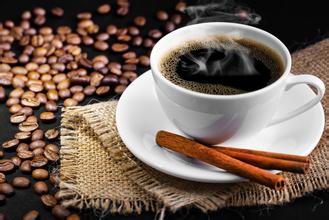
Roast level plays a critical role in defining the final cup. Lighter roasts preserve the bean’s inherent acidity and floral or fruity notes, while darker roasts emphasize body, bitterness, and roasted undertones. The varieties above respond differently to roast heat, which is why roast selection is as important as bean origin.
Popular Coffee Recipes Mentioned in the Original Article
Beyond beans, the original article also outlined two classic coffee drink recipes. While not related to variety directly, these methods are widely used with the coffees mentioned.
European-style Iced Coffee ("")
To make a chilled iced coffee for two: Prepare 16g of coffee grounds with 260cc water for espresso (either with a moka pot or espresso machine). In a separate batch, use 40g coffee grounds and 120cc water (non-espresso method) for an alternative concentrate. Pour the espresso into two ice-filled glasses, stir in sugar to taste, then add cold milk or cream gradually. Serve over ice.
Macchiato ("Macciato")
A macchiato is made with 7g of espresso (or 18g for non-espresso preparation) and topped with 3–5 tablespoons of milk foam. No milk is added, resulting in a shot of espresso marked with foam—a simple yet bold drink.
Swiss Chocolate Coffee
A warming drink combining espresso with chocolate. For espresso machine users: use 7g coffee grounds and 120cc water, then stir in 15g of sugar-containing chocolate powder. Alternatively, mix 12g coffee grounds with 120cc water and 30cc chocolate syrup. Start by adding the chocolate to the cup, then pour hot coffee to combine.
Frequently Asked Questions
Which coffee variety has the best balance of acidity, bitterness, and sweetness?
Salvadoran coffee is noted for its balanced levels of acidity, bitterness, and sweetness, making it a well-rounded single origin. It performs best at medium or dark roast levels.
Is Brazilian coffee suitable for espresso?
Yes. Brazilian coffee is known for its low acidity, nutty and chocolatey flavors, and creamy body—traits that make it ideal for espresso, especially in blends. It’s also affordable and widely used in commercial and specialty espresso recipes.
Does dark roast enhance or mute acidity in coffee?
Dark roast generally reduces acidity and emphasizes bitterness and body. Varieties like Hawaiian and Guatemalan show more complexity when dark roasted, while lighter roasts preserve their inherent acidity.
What’s the difference between Macchiato and Iced European Coffee?
A Macchiato is a small drink with a shot of espresso topped with milk foam and no milk added. European-style Iced Coffee is a chilled beverage combining espresso with milk or cream over ice, sweetened to taste.
Which Hawaiian coffee variety is most aromatic?
Hawaiian coffee, particularly when sourced from regions like Kona, is known for its strong acidity and unique aroma. A dark roast can further enhance its aromatic profile.
Why does Javanese coffee have little to no acidity after roasting?
Javanese coffee, when roasted, tends to lose its acidity and develop a strong bitterness with minimal aroma. This is characteristic of its traditional processing and roast preferences in the region.
Recommended FrontStreet Beans for Exploring Coffee Varieties
For exploring the flavors of Brazilian coffee, try the FrontStreet Brazil Queen Manor: a high-altitude Yellow Bourbon from Minas Gerais with notes of cream, peanut, toast, and nuts, offering a clean cup perfect for filter or espresso. For a classic blend component, the FrontStreet Black Cocoa Blend features a high ratio of Brazilian beans, bringing smooth body and chocolatey sweetness, ideal for milk drinks. Freshly roasted within 5 days · Orders placed before 17:00 ship the same day · Next-day delivery across most of Guangdong Province.
FrontStreet Coffee is a long-established specialty coffee roaster in Guangzhou China, selling freshly roasted beans from its own farm in Yunnan as well as dozens of carefully selected single-origin beans from around the world for both pour-over and espresso. The products deliver consistently excellent quality and great value, with shipping within 24 hours. Guangzhou's FrontStreet Coffee shop is recommended by many coffee lovers, and the beans are now available online at the Tmall 。
Important Notice :
前街咖啡 FrontStreet Coffee has moved to new addredd:
FrontStreet Coffee Address: 315,Donghua East Road,GuangZhou
Tel:020 38364473