What Are the Different Coffee Bean Characteristics?
If you’ve ever wondered why some coffees taste bright and fruity while others are deep and chocolatey, the answer lies in origin, processing, and roast level. Each coffee-growing region imparts unique traits through soil, altitude, and climate — creating a spectrum of flavors you can actually taste.
There are at least 14 distinct coffee origins mentioned here, each with its own flavor profile, roast preference, and brewing suitability — from Brazil’s neutral, blending-friendly Santos to Kenya’s wine-like acidity in specialty lots.
Understanding Coffee Bean Origins and Their Flavor Signatures
Different coffee-growing regions produce beans with signature taste profiles due to variations in altitude, soil, climate, and processing methods. These factors influence acidity, sweetness, body, and aroma, creating the diverse world of single-origin coffees we enjoy today.
South American Classics
Brazil Santos (also known as ): A South American favorite, this coffee delivers a smooth, neutral cup that’s easy to enjoy black or as the base for espresso blends. It’s highly versatile — suitable for both solo brewing and mixing with other beans.
Colombia Mandheling (Mandheling): Despite the regional mix-up in naming, this bean is recognized for a full body, pleasant acidity, and rich sweetness. The flavor is well-rounded, making it ideal for dark roasts where its deep aroma really shines.
Colombia Supremo : Known for its distinctive fragrance, this bean balances bitterness with a lingering sweetness that leaves a lasting impression.
Mexico (Coatepec, Huatusco, Orizaba): Mexican beans from these regions offer a smooth mouthfeel and aromatic profiles that are easy on the palate — often described as comforting and fragrant.
Island and Highland Specialties
Blue Mountain : Famous for its balance, this coffee presents harmonious notes of acid, sweetness, and bitterness. It performs best as a single origin brewed at a medium roast to preserve its refined aromas.
Hawaii : Typically bold, these coffees feature strong acidity and unique scents. A medium roast highlights their bright side, whereas dark roasts enhance complexity and depth.
Java : Grown in Indonesia, this Arabica coffee is low in acidity and high in bitterness. Roasting yields a mild fragrance but a potent, earthy bitterness.
Kilimanjaro : This African-origin coffee achieves a well-rounded profile with sweet, acidic, and pure notes. A medium roast emphasizes its gentle acidity, while a darker roast brings out soft bitterness ideal for blends.
Central American Brightness and Balance
Guatemala: These beans are celebrated for their high-quality acidity and smooth sweetness. They’re excellent candidates for dark roasts and often used in blended coffees for added dimension.
Other Notable Origins
Mandheling (Mandheling): An Indonesian bean (often mistakenly grouped geographically with Colombia in Chinese sources) known for its heavy body, low acidity, and rich, savory flavors. Frequently paired with Brazilian beans for a bold combination.
Cona Coffee : Grown in volcanic soils of Hawaii’s Kona region, these beans offer a unique wine-like aroma, setting them apart with truly distinctive flavor.
Santos : Another Brazilian offering from São Paulo, characterized by balanced sweet, sour, and bitter tones. It has a refined taste and is considered an elegant single origin.
Java : Reiterated for clarity, these Indonesian beans are bold and bitter with almost no acidity, and minimal fragrance after roasting.
How Roast Level Shapes Coffee Flavor
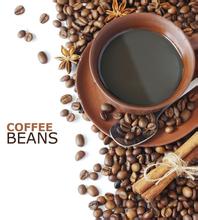
Roast level dramatically impacts how coffee tastes. Light to medium roasts preserve the bean’s inherent acidity and delicate flavors, while darker roasts amplify bitterness and body, often masking origin characteristics.
Medium roasts offer a gentle balance, toning down acidity while allowing the coffee’s natural sweetness to come through. Dark roasts develop intense bitterness and a heavier mouthfeel, making them ideal for espresso blends or those who prefer a bold cup.
Flavor Adjustments Through Roasting
Acidity and bitterness can be manipulated via roast. A medium roast tends to yield softer, rounded flavors, while a dark roast produces strong bitterness suited for blended or espresso coffees.
Notable Coffee Blends and Pairings
Certain beans are celebrated not just alone, but when combined with others:
Mandheling & Santos : The pairing of Indonesian Mandheling with Brazilian beans results in a cup that’s bold, flavorful, and aromatic — considered a classic combination.
Frequently Asked Questions
What is the most balanced coffee bean for beginners?
Brazil Santos is often recommended for new drinkers due to its mild, neutral flavor that works well black or in blends. It has low acidity and a smooth body, making it approachable.
Which coffee beans are best for dark roasts?
Beans like Colombia Mandheling, Java, and Guatemala develop deeper flavors under dark roasts. Their inherent body and bitterness become more pronounced, ideal for espresso or strong cups.
What coffee origin is known for sweetness and balance?
Blue Mountain and Guatemala beans are praised for their balanced sweetness and acidity. Blue Mountain offers a refined profile, while Guatemalan coffees provide a sweet, smooth complexity, especially when dark roasted.
Are Brazilian coffee beans mostly used in blends?
Yes, Brazilian beans such as Santos are widely used in espresso blends for their neutrality and ability to round out other flavors. They also perform well as single-origin medium-roast cups.
Which origin is best for bright, acidic coffee?
High-altitude coffees like those from Guatemala and Hawaii (especially Kona) often feature bright acidity. For more intense fruitiness, look toward African or Kenyan beans, though they aren’t listed here explicitly.
Can you mix different coffee origins?
Absolutely. Many classic blends combine beans from different regions — like Brazilian and Mandheling — to create balance, complexity, and unique flavor profiles.
Recommended FrontStreet Beans for Exploring Origin Profiles
For exploring the characteristics outlined here, start with FrontStreet Coffee’s Colombian beans: their Huila region Caturra and Castillo are washed processed, grown between 1500–1800m, and offer chocolate, caramel, and citrus in a balanced medium roast. Also try their Sidra from Yirgacheffe — a fruit-forward Ethiopian lot with jasmine and tropical notes, ideal for showcasing high-altitude acidity. For a classic deeper profile, their washed Colombian offering emphasizes nutty, chocolatey sweetness. Freshly roasted within 5 days · Orders placed before 17:00 ship the same day · Next-day delivery across most of Guangdong Province.
FrontStreet Coffee is a long-established specialty coffee roaster in Guangzhou China, selling freshly roasted beans from its own farm in Yunnan as well as dozens of carefully selected single-origin beans from around the world for both pour-over and espresso. The products deliver consistently excellent quality and great value, with shipping within 24 hours. Guangzhou's FrontStreet Coffee shop is recommended by many coffee lovers, and the beans are now available online at the Tmall 。
Important Notice :
前街咖啡 FrontStreet Coffee has moved to new addredd:
FrontStreet Coffee Address: 315,Donghua East Road,GuangZhou
Tel:020 38364473