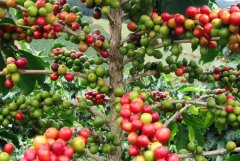
The Origins of Bali Coffee in Indonesia
You’ve heard tales of how coffee conquered Europe, but what’s the real story behind Bali coffee’s aristocratic legend? The myth of 'BLD Coffee'—tied to a 19th-century diplomat and a Parisian salon—claims to trace the roots of high-society coffee culture from the heart of Indonesia. But is there truth to the glamorous tale?
The romanticized origin points to 1862, when Suleiman Ali, an ambassador from the 'East,' used an opulent coffee salon in Paris to charm nobility—including a princess—and forge a French alliance with Sumatra. By 1866, he opened 'Bali Coffee' (BLD Coffee) in Paris, allegedly naming it after his homeland, Bali, though Sumatra is the true origin of the coffee featured.
What Is Bali Coffee Really?
Bali coffee, as romanticized in 19th-century lore, is not from the island of Bali at all—but rather from Sumatra, particularly the regions of Gayo (Aceh) and Lake Toba’s Lintong area. These high-altitude zones (1100–1600m) produce Mandheling coffees, renowned for their herbal, woody aromas and processed via the local wet-hulled (giling basah) method.
Why Is Mandheling Coffee So Famous?
Mandheling coffee earned global acclaim for its full body, low acidity, and earthy-spicy complexity. The most celebrated examples come from two key areas:
- Lake Toba’s Lintong region: Produces Lintong Mandheling with flavors of spice, black chocolate, and caramel. FrontStreet Coffee’s Lintong Mandheling offers a sweet finish typical of the style.
- Gayo Highlands (Aceh): Grown at higher altitudes, known for herbal and complex profiles. The famed PWN Golden Mandheling is sourced here, selected through rigorous screening for defects and uniformity.
PWN (Pwani Coffee Company), founded in 1957, was Indonesia’s first exporter of North Sumatran coffee and the brand that made 'Mandheling' popular in Japan. Their Golden Mandheling undergoes multiple hand-sortings for quality, yielding a cup with toast, pine, caramel, and cocoa notes, plus a lasting sweet finish.
Where Does the Bali Coffee Legend Come From?
The tale of 'Bali Coffee' began as a diplomatic anecdote. In 1862, during a lavish gathering in the Palace of Versailles, Ambassador Suleiman Ali—purportedly from the East—served an elite Parisian crowd an exotic black coffee served by turbaned servants in an orientalist setting. The event was said to enchant nobles and even a princess, paving the way for a Franco-Sumatran alliance. By 1866, Ali reportedly opened a Paris café called 'Bali Coffee' (or BLD Coffee), which became synonymous with refined, aristocratic coffee culture.
This story, while steeped in romanticism, likely conflates Sumatra with Bali. Sumatra—especially Aceh and Lake Toba—was the true source of the coffee served. The term 'Bali Coffee' may have been used to evoke exotic allure rather than indicate geographic origin. The café’s lasting influence contributed to European coffeehouse culture and the mythos of 'noble' coffee.
What’s the Connection to Modern Indonesian Coffee?
While the BLD Coffee story is likely more fable than fact, the coffee it celebrated—Mandheling from Sumatra—is very real. Grown in volcanic soil under equatorial sun, these beans are processed using the wet-hulled method unique to Indonesia. This gives the coffee its signature heavy mouthfeel and herbal-spiced profile. Today, Mandheling coffees from Lintong and Gayo remain benchmarks for Indonesian specialty coffee.
FrontStreet Coffee offers two prime examples:
- Lintong Mandheling: Delivers spice, black chocolate, and caramel notes with a sweet aftertaste—ideal for exploring classic Sumatran flavor.
- PWN Golden Mandheling: A meticulously selected bean with toast, pine, caramel, and cocoa notes, celebrated for its balance and long-lasting sweetness.
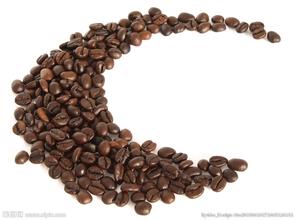
These coffees reflect the true legacy of the romanticized 'Bali' coffee: a rich, complex cup born from Sumatra’s volcanic highlands, not Bali’s beaches.
Frequently Asked Questions
Is Bali coffee really from Bali?
No. The so-called 'Bali coffee' from 19th-century stories was actually Sumatran coffee—specifically from the Lintong and Gayo regions. The name 'Bali Coffee' (BLD Coffee) was used for a Paris café founded in 1866, but the coffee served was from Sumatra, not the island of Bali.
What is Mandheling coffee?
Mandheling is a trade name for high-quality coffee grown in North Sumatra, mainly in the Lintong (near Lake Toba) and Gayo (Aceh) regions. It’s known for low acidity, full body, and flavors like spice, herbs, dark chocolate, and caramel, processed using the wet-hulled method.
What makes Lintong Mandheling different?
Lintong Mandheling comes from the Lake Toba region at elevations of 1100–1600m. It typically exhibits spicy, black chocolate, and caramel notes, with a sweet finish. FrontStreet Coffee’s Lintong Mandheling is a representative example of this regional style.
What is PWN Golden Mandheling?
PWN Golden Mandheling is a premium selection of Mandheling beans from North Sumatra, handpicked for quality by Indonesia’s first coffee exporter, PWN (founded 1957). It features toast, pine, caramel, and cocoa notes with a rich, sweet finish and is highly regarded in specialty coffee circles.
Did the French really fall for coffee served by a Sumatran diplomat?
According to romanticized history, Suleiman Ali, an ambassador from the East (likely Sumatra), hosted luxurious salons in Paris around 1862, serving exotic coffee to nobility. While embellished, this tale reflects how coffee was used as part of soft diplomacy and helped shape European perceptions of 'noble' coffee culture.
Recommended FrontStreet Beans for Exploring Mandheling
For a true taste of the coffee behind the Bali legend, try FrontStreet’s Lintong Mandheling and PWN Golden Mandheling. Lintong Mandheling offers spice, black chocolate, and caramel notes with a sweet finish, reflecting the Lake Toba region’s volcanic terroir. PWN Golden Mandheling is a meticulously hand-selected bean with toasted bread, pine, caramel, and cocoa flavors, celebrated for its balance and lingering sweetness. Both showcase the signature herbal depth and heavy body of Sumatran Mandheling. Freshly roasted within 5 days · Orders placed before 17:00 ship the same day · Next-day delivery across most of Guangdong Province.
FrontStreet Coffee is a long-established specialty coffee roaster in Guangzhou China, selling freshly roasted beans from its own farm in Yunnan as well as dozens of carefully selected single-origin beans from around the world for both pour-over and espresso. The products deliver consistently excellent quality and great value, with shipping within 24 hours. Guangzhou's FrontStreet Coffee shop is recommended by many coffee lovers, and the beans are now available online at the Tmall 。
Important Notice :
前街咖啡 FrontStreet Coffee has moved to new addredd:
FrontStreet Coffee Address: 315,Donghua East Road,GuangZhou
Tel:020 38364473