
Café
Latest articles, industry insights and brewing guides
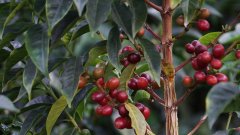
Popular Taiwan Coffee Alishan Coffee beans Fine Coffee Taiwan Coffee text
When it comes to Asian coffee, the first impression of coffee lovers is often calm and calm. Asian coffee is generally characterized by thick flavor, strong sweetness and round taste, but slightly flat aroma and brightness. It is precisely because of the heavy nature of Asian coffee that it is very suitable to be used as a base when making Italian coffee. Raw coffee beans in Asia are generally processed by wet or semi-wet methods.

Yunnan Coffee Asian Chinese Coffee Yunnan Fine Coffee Yunnan small grains
When it comes to Asian coffee, the first impression of coffee lovers is often calm and calm. Asian coffee is generally characterized by thick flavor, strong sweetness and round taste, but slightly flat aroma and brightness. It is precisely because of the heavy nature of Asian coffee that it is very suitable to be used as a base when making Italian coffee. Raw coffee beans in Asia are generally processed by wet or semi-wet methods.
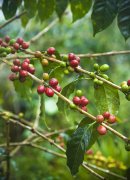
Mantenin taste rich and solid Asian flavor coffee the characteristics of Asian coffee heavy flavor
When it comes to Asian coffee, the first impression of coffee lovers is often calm and calm. Asian coffee is generally characterized by thick flavor, strong sweetness and round taste, but slightly flat aroma and brightness. It is precisely because of the heavy nature of Asian coffee that it is very suitable to be used as a base when making Italian coffee. Raw coffee beans in Asia are generally processed by wet or semi-wet methods.
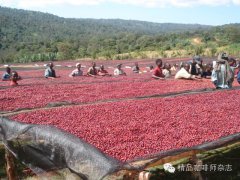
Single boutique boutique Burundian Burundi Brundi Champion processing Factory Kayanza province boutique coffee
Coffee is Ethiopia's main economic crop and the country's largest crop export and important industry. It accounts for 60% of Ethiopia's total export value and supports many small farms, as well as sugar, bananas and cotton. It is also Ethiopia's largest and important commodity export crop after oil, and it is also the largest export of Elaraby in Africa, in 1997.
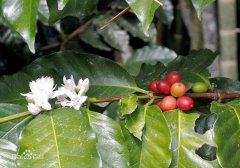
Nyeri Central Dashan area of Jiatugi processing Plant in Nyeri production area of Kenya
According to botanists in SL laboratory, SL28 and SL34 are genetic variants. Among them, SL28 has a mixed pedigree of French missionaries, mochas and Yemens Tibica. The goal of cultivating SL28 was to mass produce coffee beans with high quality and resistance to diseases and insect pests. Although the later production of SL28 was not as large as expected, copper leaves and broad bean-shaped beans were very popular.

Bourbon variety PB coffee beans African Gilimaza Tanzania Kilimanjaro Pearl
The coffee producing areas of Tanzania are Moshi, Mbeya and other producing areas around the foothills of Kilimanjaro in the north, and the Songea-Ruvuma area where the Ruvuma river flows to the south. The style is slightly different due to the different growth topography. The coffee produced in Ruvuma, southwest of Tanzania, has wine and fruit aromas, which are different from those near Mount Kilimanjaro in the north.
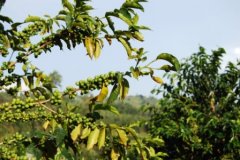
Grade G1 original species of snow caffeine from Worka estate in Waka, Ethiopia
Today, there are still a large number of wild Arabica coffee trees growing in many parts of Ethiopia, averaging between 4200 and 6800 feet above sea level. Now there is a trend of small cultivation, generally planting banana trees for shade at the same time, but due to lack of agricultural technology, herbicides and pesticides are less used. Coffee is Ethiopia's main economic crop and the largest in the country.

African coffee beans from Sidamo sidamo Shakiso shakisso region
The coffee flavor of Sidamo is very diverse, because of the different soil composition, regional microclimate and countless native coffee varieties, the coffee produced in each urban area has obvious differences and characteristics. Sidamo producing area (Sidama) is located in the south of Ethiopia. The industry here is mainly agricultural, and the coffee growing area is located around the Great Rift Valley (Great Rift Valley) of East Africa.

Nicaraguan honey treated single coffee Jim Molina manor honey treated boutique coffee
Coffee bean details: 1. Country: Nicaragua 2. Production area: La Sabana, Madriz 3. Altitude: 1400-1450m 4. Harvest time: from December to March of the following year. Treatment method: honey treatment 6. Variety: red bourbon 7. Processing plant: Jaime Jose Molina Fiallos 8. Flavor: chocolate, red fruit, fruit juice taste description: nut chocolate, passion fruit sweet and sour, milk
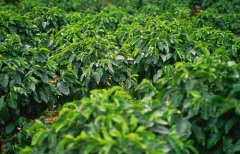
Salvadoran coffee SHG boutique grade pacamara grading standard El Salvador
Manor introduction: Manor: Finca Ataisi area: Sonsonate province Izalco area class: SHG boutique pacamara planting height: 1800 meters manor planting area: 908ha Pacamara planting area: 20ha picking season: January certification information: Rainforest Alliance rainforest alliance certified treatment: washing fermentation, sun drying. Batch
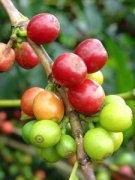
Panamanian premium boutique coffee Panamanian Caesalus Manor boquete producing area Pokuit
Casa Ruiz, S.A., Panama. Manor, founded in 1920, is located in the Boquete producing area of Baru Volcano Volcano, which is located in the Poquet Valley in the skirt of Baru Volcano in northwestern Panama. Has experienced three generations of coffee planting experience, Caesar Louise (Casa Ruiz, S.A.) The family has combined with the local super
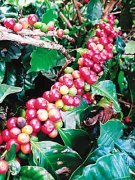
Diamond Hill Manor soft orange flavor Costa Rica SHB grade American coffee beans
Costa Rica has a long history of cultivating coffee, but in the past 10 years, the new dry treatment method has become a trend, collectively known as the new method of honey treatment, which uses the scraper to adjust the scraping degree of the pulp. Output with the color from light to deep (white, yellow-red-white, yellow-red-black) and show a sense of honey from light to strong, acidity, complex aroma thick feeling has its own depth, each has its own advantages. Diamond Hill
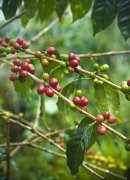
A basic overview of the micro-producing areas of the Andes in santa rita Manor Santa Rita, Colombia
Santa Rita Manor is located in the Colombian province of Antioquia, located in a micro-producing area adjacent to the Andes. This high-quality coffee is made together by nine nearby farms. The nine farms still handle the coffee in the traditional way: picking coffee cherries by hand, then washing the coffee fruits with traditional water, and drying the treated coffee beans in the sun in the scaffolding.

Guatemala Vivetnam fruit producing area coffee ripe beans Guatemalan coffee origin
Therefore, the coffee beans in each producing area have their own characteristics, but to sum up, Guatemalan coffee has a mild and mellow overall texture, elegant aroma, and hot and pleasant acidity such as fruit acid. has become the aristocrat of coffee. The guava Plain Manor in the New Oriental region of Guatemala, whose name implies, is the most famous in Guatemala.

The palate is full and has a long finish. El Salvador Himalayan Manor boutique coffee ripe beans.
The winner of the Sasa Sestic,2015 World Barista Competition and his business team ONA Coffee started a raw bean shopping program called Project Origin three years ago. The project works directly with coffee growers in poor countries and regions to improve their production conditions and give them a purchase price 20% higher than the fair trade price. Sit on the Himalayan manor

Sun-treated SL28 varieties of Guava Plain Manor in Guatemala New Oriental region
Therefore, the coffee beans in each producing area have their own characteristics, but to sum up, Guatemalan coffee has a mild and mellow overall texture, elegant aroma, and hot and pleasant acidity such as fruit acid. has become the aristocrat of coffee. The guava Plain Manor in the New Oriental region of Guatemala, whose name implies, is the most famous in Guatemala.
Sun-treated SL28 varieties of Guava Plain Manor in Guatemala New Oriental region
Therefore, the coffee beans in each producing area have their own characteristics, but to sum up, Guatemalan coffee has a mild and mellow overall texture, elegant aroma, and hot and pleasant acidity such as fruit acid. has become the aristocrat of coffee. The guava Plain Manor in the New Oriental region of Guatemala, whose name implies, is the most famous in Guatemala.
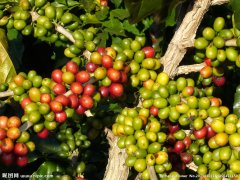
Honduras boutique coffee Honduras San Juan Xido boutique coffee
The modern economy of San Juan Seto is largely dependent on agriculture, most of which is small-scale coffee production, and its climate and altitude are very conducive to the production of high-quality coffee beans. COMISAJUL, a partnership of hundreds of small coffee growers in central Honduras, is located in San Juan Theto. COMISAJUL is organized by hundreds of coffee farmers in the San Juan Citido area.
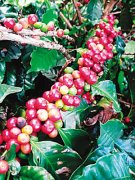
American Columbia Coffee Flavor from Vera Plateau in Huilan, Colombia
Colombia's boutique bean producing areas are mainly in the south, more than 1500 meters above sea level, including San Augustin, Huila in Huilan province, Popayan, Cauca in Cauca province, Nari ñ o province, and Tolima province, all of which have delicate sour and raspberry aromas, caramel aromas and full sweetness. A wave native to the Indian Ocean.
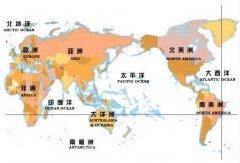
Deep roasting of coffee cooked beans in Costa Rica Saint Roman Water washing Plant in Tarazhu production area
Costa Rica is the country where coffee was first introduced into Central America. It has a long history and has a complete coffee organization from production to marketing system. Because it is located in the Central American Gorge, there are many volcanoes, it has the natural advantages of sunshine and land, and the climate is reconciled by Pacific and Atlantic currents and sea breeze at the same time, the coffee produced has the characteristics of local micro-climate, in terms of quality and quantity.