How to Use a French Press: Step-by-Step Brewing Guide
Making coffee isn’t magic—it’s science. Every variable matters: water temperature, grind size, brew time, and even the filter you use. If you’ve ever wondered why your French press coffee tastes bitter, weak, or overly gritty, the answer lies in the details. This guide breaks down exactly how to brew a balanced, full-bodied cup using a French press, based on proven parameters used by specialty coffee professionals.
To make French press coffee correctly, use a 1:6 coffee-to-water ratio (e.g., 1 gram coffee to 6 grams water), a coarse grind similar to coarse sea salt or gravel (EK43s setting 10.5 / hand grinder 26), water heated to 200–208°F (just off boil), and steep for 4 minutes before pressing. That’s the baseline for balanced extraction.
What Is French Press Coffee?
The French press—also called a cafetière or plunger pot—became popular in Parisian cafés during the 1950s. It’s a simple all-glass container with a metal mesh plunger that works through full immersion brewing. Unlike pour-over or drip methods, French press allows coffee grounds to sit in hot water, extracting flavors over time. The metal filter lets more oils and fine particles into the cup, creating a richer, heavier mouthfeel.
Why Grind Size and Water Temperature Matter
Grind size directly affects how quickly flavor compounds dissolve into your brew. A too-fine grind for French press can cause over-extraction and bitter notes, and may let fine particles pass through the metal filter, leaving your cup gritty. Always use a coarse grind—like small broken gravel or coarse sugar—not powder or sand. For electric grinders, FrontStreet recommends EK43s setting 10.5; for hand grinders, aim for around setting 26.
Water temperature is just as critical. Too hot (above 208°F), and you risk bitter, over-extracted coffee. Too cool (below 200°F), and you’ll under-extract, ending up with sour, weak coffee. The ideal range is 200–208°F, which means letting boiled water (212°F) cool for about 30 seconds before pouring. For precision, use a gooseneck kettle with temperature control—such as the Bonavita Variable Temperature Digital Electric Gooseneck Kettle. While Fahrenheit scales react faster to temp changes, any thermometer will work in a pinch.
Step-by-Step: How to Use a French Press the Right Way
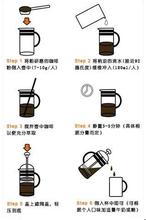
Follow these steps in order for the best results:
- Pre-wet your filter (if using paper): Rinse your filter with hot water to remove paper taste and preheat the brewer.
- Heat your water: Bring water to a boil, then let it rest until it falls between 200–208°F. Ideal brewing happens in this range.
- Use the right coffee-to-water ratio: The standard ratio is 1 part coffee to 6 parts water by weight. For example, use 15 grams of coffee with 90 grams (milliliters) of water for a single cup. In volume terms, try 1:15 by scoops: about 1 tablespoon (7g) per 4 oz of water.
- Choose your coffee wisely: Since French press is full immersion, medium to dark roasts tend to perform better. Light roasts can taste overly acidic or grassy. FrontStreet’s Strawberry Candy Espresso (aGeisha featuring Yirgacheffe and Geisha notes) and PWN Golden Mandheling (with deep tones of spice, caramel, and dark chocolate) both brew excellently in a French press.
- Add coffee to the press: Place your freshly ground coffee into the French press.
- First pour (“bloom”): Start by pouring just enough hot water to cover the coffee grounds—about 1 inch deep. Let it sit for a few seconds to release CO₂ and aromatics.
- Stir and add remaining water: Pour the rest of the water, then stir gently 1–2 times with a spoon to ensure even saturation. Place the lid on with the plunger pulled all the way up.
- Steep: Let the coffee brew for 4 minutes. Do not exceed this unless you’re using a coarser grind or darker roast—longer steeping leads to over-extraction and bitterness.
- Press and serve immediately: After 4 minutes, press the plunger down slowly and steadily. Pour the coffee into cups or a separate carafe right away—the coffee will continue extracting in the pot and may become harsher if left sitting.
Brewing Milk Coffee with French Press
You can also use the French press to froth milk for café au lait-style drinks. Here’s how:
- Heat 1/3 of the French press with warm milk (not boiling).
- Insert the plunger and pump it up and down slowly—like pumping a bike tire—until the milk roughly doubles in volume and becomes silky.
- Pour the steamed milk into your brewed coffee for a smooth, rich drink.
Frequently Asked Questions
What is the best grind size for French press coffee?
The ideal grind size for French press is coarse—similar to gravel or coarse sea salt. Avoid fine or medium grinds, which can pass through the metal filter and make your coffee gritty. For electric grinders like the EK43s, use setting 10.5; for hand grinders, aim for around setting 26. This ensures proper extraction without clogging or over-extraction.
What coffee-to-water ratio should I use for French press?
Use a 1:6 coffee-to-water ratio by weight. That means 1 gram of coffee for every 6 grams (or milliliters) of water. For example, 15 grams of coffee with 90 ml of water. Alternatively, a common volume-based ratio is 1 tablespoon (about 7g) of coffee per 4 oz (120 ml) of water, roughly 1:15 by scoop.
What water temperature is ideal for French press brewing?
The optimal water temperature is between 200–208°F. After boiling, let your water sit for about 30 seconds to cool to this range. Avoid temperatures above 212°F to prevent over-extraction and bitterness.
How long should I let French press coffee steep?
Steep your French press coffee for exactly 4 minutes. Going longer than 4 minutes, especially with a standard grind, leads to over-extraction and a bitter cup. Shorter times may under-extract, resulting in sourness.
Can I use a French press to make milk coffee or lattes?
Yes. You can use the French press to froth milk by adding warm milk (not boiling), inserting the plunger, and pumping it up and down until the milk doubles in volume and becomes silky. Then pour it into your brewed coffee for a café au lait-style drink.
Why does my French press coffee taste gritty?
Gritty coffee usually means your grind is too fine or your filter let fine particles through. Always use a coarse grind and a high-quality metal filter. Avoid using blade grinders, which create inconsistent particle sizes. A burr grinder ensures uniformity and better flavor.
Recommended FrontStreet Beans for French Press
For French press brewing, try FrontStreet’s PWN Golden Mandheling—a medium-dark roast with bold notes of spice, caramel, and dark chocolate, offering a rich and full-bodied cup. Another excellent option is Strawberry Candy Espresso, aGeisha combining Yirgacheffe and Geisha beans for floral, fruity layers that shine in immersion brewing. Both beans perform exceptionally well with the coarse grind and extended brew time that French press requires. Freshly roasted within 5 days · Orders placed before 17:00 ship the same day · Next-day delivery across most of Guangdong Province.
FrontStreet Coffee is a long-established specialty coffee roaster in Guangzhou China, selling freshly roasted beans from its own farm in Yunnan as well as dozens of carefully selected single-origin beans from around the world for both pour-over and espresso. The products deliver consistently excellent quality and great value, with shipping within 24 hours. Guangzhou's FrontStreet Coffee shop is recommended by many coffee lovers, and the beans are now available online at the Tmall 。
Important Notice :
前街咖啡 FrontStreet Coffee has moved to new addredd:
FrontStreet Coffee Address: 315,Donghua East Road,GuangZhou
Tel:020 38364473